





Buying a used car is one of the smartest financial moves you can make, but it often feels like navigating a minefield. Between pushy salespeople, hidden mechanical issues, and confusing paperwork, the process can easily become overwhelming. However, if you approach the market with a structured, data-driven plan, you can save thousands of dollars while driving away in a highly reliable vehicle.
This comprehensive, step-by-step guide will walk you through the exact process of buying a used car safely, efficiently, and confidently.
Step 1: Establish Your True Budget
Before you ever look at a car listing, you must figure out exactly how much money you can spend. Many buyers make the mistake of only looking at the purchase price, but the true cost of ownership includes several ongoing expenses.
The 10% and 20% Rules
As a general rule of thumb, your total monthly car expenses—including your loan payment, insurance, fuel, and maintenance—should not exceed 20% of your take-home monthly pay. If you want to stay on the safer, more conservative side, aim to keep your actual car loan payment under 10% of your net income.
Accounting for Hidden Costs
When you purchase a vehicle, you will immediately face mandatory fees that add up quickly. Therefore, you should always reserve about 10% to 15% of your total budget to cover these upfront costs:
Sales Tax: Varies by state or region, usually ranging from 4% to 10% of the purchase price.
Registration and Title Fees: The cost to legally register the car in your name.
Insurance Premiums: Used cars can sometimes cost more or less to insure depending on safety features; always call your insurance agent for a quote beforehand.
Initial Maintenance: Even the cleanest used cars often need an immediate oil change, new wipers, or a fresh set of tires.
Step 2: Research and Select the Right Models
Once you establish a firm budget, you can begin filtering down your choices to specific vehicle makes and models that fit your lifestyle.
Prioritize Reliability Over Trends
While a luxury sedan or a rugged SUV might look appealing, you should prioritize historical reliability ratings. Websites like Consumer Reports, Edmunds, and J.D. Power provide deep analytical data on which vehicle generations suffer from chronic engine, transmission, or electrical issues. Target models known for longevity, such as the Toyota Camry, Honda Civic, or Mazda CX-5, which routinely cross 200,000 miles with basic care.
The Depreciation Sweet Spot
Vehicles experience their sharpest drop in value during their first few years on the road. Specifically, a new car loses about 20% of its value in the first year and roughly 60% after five years. Consequently, the absolute “sweet spot” for used car buyers is a vehicle between 3 and 5 years old. At this stage, the previous owner has absorbed the worst of the depreciation, yet the car still retains modern safety tech, modern infotainment, and plenty of mechanical life.
Step 3: Secure Pre-Approved Financing
Unless you are paying the entire balance in cash, you must secure your financing before you step foot onto a dealership lot.
[Determine Budget] ➔ [Apply at Credit Union/Bank] ➔ [Get Pre-Approval Letter] ➔ [Shop at Dealer]
Why Pre-Approval is Your Superpower
Dealerships treat financing as a massive profit center. If you walk into a dealership without a pre-approved loan, the finance manager will likely offer you an interest rate that is marked up above what you actually qualify for.
By contrast, obtaining a pre-approval letter from a local credit union or bank gives you an ironclad baseline. When you negotiate, you can simply tell the dealer, “I am already pre-approved at 5.5% interest. If you can beat that rate, I will finance through you. If not, I will use my bank.” This simple move can save you thousands of dollars over the life of a 48- or 60-month loan.
Step 4: Search Geographically and Check Vehicle Histories
With your financing secured and your target models selected, you can now begin hunting for the specific vehicle. Use reputable online aggregator search engines like CarGurus, Autotrader, and Cars.com to compare prices across a 50-mile radius.
Inspect the Vehicle History Report (VHR)
Never buy a used car without reviewing a detailed vehicle history report from Carfax or AutoCheck. Many reputable dealers provide these reports completely free on their inventory pages. If a private seller refuses to provide one, you should purchase it yourself using the car’s 17-digit Vehicle Identification Number (VIN).
When you read through the report, look closely for these critical warning signs:
Salvage or Rebuilt Title: Indicates the car was declared a total financial loss by an insurance company due to an accident, flood, or fire. Avoid these completely.
Multiple Previous Owners in a Short Time: If a car changed hands four times in two years, it likely suffers from a persistent, unfixable mechanical issue.
Inconsistent Odometer Readings: Flag any instances where the mileage drops or jumps erratically, as this suggests odometer fraud.
Lack of Service Records: A vehicle with documented oil changes every 5,000 to 7,500 miles is infinitely safer than a vehicle with zero service history.
Step 5: Master the Physical Inspection and Test Drive
When you find a car that passes your digital history check, schedule an appointment to view it during daylight hours. Never inspect a car in the rain or at night, as water droplets and shadows easily hide deep paint scratches, dents, and frame damage.
The Exterior and Interior Walkaround
Begin your physical inspection by checking the body panels. Look closely at the gaps between the doors, fenders, and hood; uneven gaps indicate that the car was poorly repaired after a major collision. Next, check the tires. If the tread is worn unevenly, the car likely has a severely misaligned suspension or damaged steering components. Inside the cabin, smell carefully for mildew or mold, which strongly signals past flood damage.
The Rigorous Test Drive Checklist
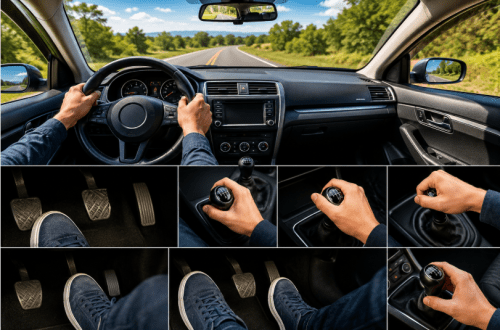
Turn off the radio during the test drive so you can listen completely to the car’s mechanical components. Execute the following maneuvers to properly stress-test the vehicle:
Step 6: Get a Pre-Purchase Inspection (PPI)
This is the most crucial step in the entire car-buying process, yet buyers frequently skip it out of impatience. A test drive is not a substitute for a professional mechanic’s eyes.
How a PPI Protects You
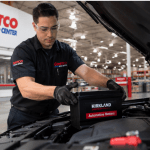
If you are buying from a private seller, ask to drive the car to an independent auto repair shop of your choice for a Pre-Purchase Inspection (PPI). If you are buying from a dealership, ask if their policy allows you to take the car to an off-site mechanic for a few hours. A standard PPI costs between $100 and $200, but it provides an unbiased, comprehensive health report of the engine compression, brake pad thickness, fluid leaks, and hidden frame rust.
Red Flag Alert: If a dealer or private seller aggressively refuses to let an independent mechanic inspect the car, thank them for their time and walk away immediately. They are almost certainly hiding a catastrophic flaw.
Step 7: Negotiate the Best Out-of-the-Door Price
Negotiation does not have to be a tense, emotional battle. If you have done your research, you hold all the leverage.
Focus Exclusively on the “Out-of-the-Door” Price
Dealership sales staff love to ask, “What monthly payment are you looking for?” Do not answer this question. If you negotiate by monthly payment, the dealer will simply extend the loan term to 72 or 84 months to hit your target payment while secretly packing the loan with high interest rates and useless add-ons.
Instead, firmly state: “I only negotiate on the total, bottom-line out-of-the-door price, including all taxes and fees.”
Use Data as Your Leverage
If the mechanic’s PPI revealed that the car needs $600 worth of new brakes and a $200 fluid flush, use that factual data to lower the price. Show the seller the written repair estimate and say, “The market value for this car in perfect condition is $12,000, but it needs $800 in immediate repairs. Therefore, my offer is $11,200.” It is incredibly difficult for a seller to argue with calm, documented math.
Step 8: Finalize the Paperwork and Title Transfer
Once you agree on a price, you must complete the transaction carefully to ensure legal ownership transfers to you without future complications.
                  ┌──────────────────────────────┐
                  │   Verify Title Cleanliness   │
                  └──────────────┬───────────────┘
                                 ▼
                  ┌──────────────────────────────┐
                  │  Sign Bill of Sale & Title   │
                  └──────────────┬───────────────┘
                                 ▼
                  ┌──────────────────────────────┐
                  │ Exchange Funds Securely      │
                  └──────────────────────────────┘
Buying Privately vs. At a Dealership
If you buy from a dealership, verify the final sales contract line-by-line before signing. Explicitly look for hidden dealer fees, such as “paint protection packages,” “fabric protection,” or mandatory anti-theft window etching. You can completely refuse to pay for these predatory add-ons.
If you buy from a private party, you must take extra precautions:
Check for Liens: Look closely at the physical title. If a bank or finance company is listed on the title, the seller does not fully own the car. The loan must be completely paid off at their financial institution before the title can be legally signed over to you.
Match the Names: Ensure the seller’s name exactly matches the name printed on the vehicle title. Never participate in “title flipping,” where someone sells a car without registering it in their own name first.
Complete a Detailed Bill of Sale: Write out a formal bill of sale that includes the date, final sale price, odometer reading, VIN, and signatures from both parties. Mark the vehicle explicitly as being sold “As-Is.”
Final Checklist for Used Car Buyers
| Action Item | Verification Method | Status |
| Budgeting | Monthly expenses stay under 20% of net income | [ ] |
| Financing | Pre-approval letter secured from bank or credit union | [ ] |
| History Check | Clean Carfax/AutoCheck with consistent service records | [ ] |
| Inspection | Comprehensive off-site Pre-Purchase Inspection (PPI) completed | [ ] |
| Closing | Title checked for liens and signed over legally | [ ] |
By systematically following these chronological steps, you completely strip away the emotional stress of car shopping. You protect your hard-earned money, eliminate costly surprises, and guarantee that the used vehicle you purchase will serve you reliably for years to come.