







The Key Question: How Long Do Car Batteries Last?
One of the most common questions vehicle owners ask is, “How long do car batteries last?“ The answer is not always straightforward because battery lifespan depends on several factors, including driving habits, weather conditions, battery quality, and vehicle maintenance.
In general, most car batteries last between three and five years. However, some batteries fail earlier, while others can continue performing well for more than five years. Understanding what affects battery life can help drivers avoid unexpected breakdowns and costly repairs.
A dead battery is one of the leading causes of vehicle starting problems. Many drivers do not realize their battery is nearing the end of its lifespan until their car refuses to start. Learning the warning signs and maintenance practices can save time, money, and frustration.
This guide explains how long car batteries typically last, what factors influence their lifespan, how to recognize signs of battery failure, and what steps you can take to maximize battery performance.
Understanding Car Batteries: Context and Background
To understand battery lifespan, it is important to know what a car battery does and why it eventually wears out.
What Does a Car Battery Do?
A car battery supplies electrical power to start the engine. It also powers various electrical systems when the engine is off, including:
- Interior lights
- Dashboard electronics
- Infotainment systems
- Security systems
- Power windows
- Door locks
Once the engine starts, the alternator generates electricity and recharges the battery while powering the vehicle’s electrical components.
Without a functioning battery, a vehicle cannot start properly.
Average Car Battery Lifespan
Most conventional car batteries last between 3 and 5 years under normal driving conditions.
Here is a general estimate:
| Battery Type | Average Lifespan |
|---|---|
| Standard Lead-Acid Battery | 3–5 Years |
| AGM Battery | 4–7 Years |
| Premium Maintenance-Free Battery | 4–6 Years |
| Deep-Cycle Battery | 4–8 Years |
These figures are averages and can vary depending on vehicle usage and environmental conditions.
Why Do Car Batteries Wear Out?
Car batteries contain chemical components that gradually degrade over time.
During every charging and discharging cycle:
- Chemical reactions occur inside the battery.
- Internal components slowly deteriorate.
- Capacity decreases.
- The battery becomes less efficient.
Eventually, the battery can no longer hold enough charge to start the engine reliably.
This process is natural and unavoidable, but proper maintenance can slow it down significantly.
Factors That Affect How Long Car Batteries Last
Several factors determine whether a battery lasts three years or seven years.
1. Climate and Temperature
Temperature is one of the biggest influences on battery life.
Hot Weather
Excessive heat can:
- Accelerate chemical reactions
- Cause fluid evaporation
- Damage internal battery components
- Reduce battery lifespan
In very hot climates, batteries may last only three years.
Cold Weather
Cold temperatures reduce battery efficiency.
During winter:
- The engine requires more power to start.
- Battery output decreases.
- Existing battery weaknesses become more noticeable.
Although cold weather does not usually damage batteries as quickly as heat, it often reveals batteries that are already nearing failure.
2. Driving Habits
How you drive affects battery health.
Frequent Short Trips
Short trips can shorten battery life because:
- The engine runs for limited periods.
- The alternator has less time to recharge the battery.
- Battery charge gradually declines.
Regular Long Drives
Longer drives allow:
- Complete battery recharging
- Better charging cycles
- Improved battery health
Drivers who regularly take longer trips often experience longer battery life.
3. Vehicle Usage
Vehicles that sit unused for extended periods often experience battery problems.
When a car remains parked:
- Electrical systems continue drawing small amounts of power.
- Battery charge slowly decreases.
- Deep discharge can damage battery cells.
If a vehicle is rarely driven, the battery may fail earlier than expected.
4. Battery Quality
Not all batteries are created equal.
Premium batteries generally offer:
- Better construction
- Improved materials
- Longer warranties
- Greater durability
Cheaper batteries may have lower upfront costs but often require replacement sooner.
Choosing a high-quality battery can reduce long-term ownership costs.
5. Electrical Accessories
Modern vehicles contain numerous electronic systems.
Heavy use of:
- GPS units
- Dash cameras
- Audio systems
- Phone chargers
- Aftermarket electronics
can place additional demands on the battery.
Leaving accessories on when the engine is off can significantly reduce battery life.
6. Poor Maintenance
Neglecting battery maintenance can shorten lifespan considerably.
Common maintenance issues include:
- Corroded terminals
- Loose cable connections
- Dirty battery surfaces
- Charging system problems
Regular inspections help identify these issues before they become serious.
Signs Your Car Battery Is Nearing the End of Its Life
Knowing the warning signs can prevent unexpected breakdowns.
Slow Engine Crank
One of the earliest indicators is a slow engine crank.
If the engine takes longer than usual to start, the battery may be losing capacity.
Dim Headlights
Weak batteries often cause:
- Dim headlights
- Reduced interior lighting
- Electrical performance issues
Electrical components may appear weaker than normal.
Battery Warning Light
Many vehicles display a battery warning light on the dashboard.
This warning may indicate:
- Battery problems
- Alternator issues
- Charging system faults
It should never be ignored.
Frequent Jump Starts
Needing multiple jump starts within a short period usually signals a failing battery.
A healthy battery should hold a charge for extended periods.
Swollen Battery Case
Heat exposure can cause the battery case to swell.
A swollen battery often indicates internal damage and should be replaced immediately.
Unpleasant Odor
A rotten egg smell near the battery may indicate leaking battery acid or internal damage.
This situation requires immediate attention.
How to Make Your Car Battery Last Longer
While no battery lasts forever, proper care can significantly extend its lifespan.
Drive Regularly
Regular driving helps maintain battery charge.
Experts recommend driving at least once every week for sufficient battery charging.
Vehicles left idle for long periods often experience premature battery failure.
Keep Battery Terminals Clean
Battery corrosion interferes with electrical flow.
Inspect terminals regularly and clean away any buildup.
Clean terminals help ensure efficient charging and reliable starting.
Avoid Short Trips
Whenever possible, combine errands into longer drives.
Longer trips allow the alternator to fully recharge the battery.
This habit improves battery health over time.
Turn Off Electronics
Before shutting off the vehicle:
- Turn off lights
- Disconnect chargers
- Shut down accessories
Reducing unnecessary power consumption protects battery capacity.
Secure the Battery Properly
Vibration can damage internal battery components.
Ensure the battery is:
- Properly mounted
- Securely fastened
- Free from excessive movement
A stable battery generally lasts longer.
Test the Battery Regularly
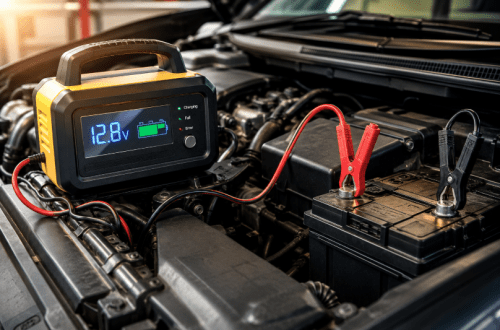
Battery testing can reveal problems before complete failure occurs.
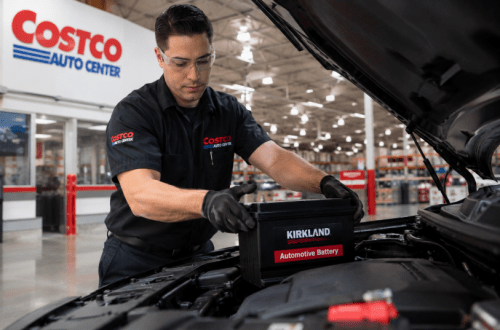
Most automotive service centers offer quick battery testing.
Annual testing becomes especially important after the battery reaches three years of age.
When Should You Replace a Car Battery?
Many experts recommend monitoring battery condition closely after three years.
Replacement may be necessary if:
- The battery is over five years old.
- Starting problems occur frequently.
- Testing shows declining capacity.
- Electrical performance becomes unreliable.
Replacing a battery before complete failure can prevent roadside emergencies.
Waiting until the battery dies entirely may leave you stranded at an inconvenient time.
Is It Worth Buying a Premium Battery?
Many drivers wonder whether premium batteries justify their higher price.
Premium batteries often provide:
- Longer service life
- Better cold-weather performance
- Improved durability
- Greater resistance to vibration
For drivers who keep vehicles for several years, premium batteries often provide better value despite higher initial costs.
The best choice depends on climate, driving habits, and budget.
Conclusion
So, how long do car batteries last? In most cases, a car battery lasts between three and five years, although some premium batteries can last even longer. Battery lifespan depends on numerous factors, including climate, driving habits, maintenance, vehicle usage, and battery quality.
Regular inspections, proper maintenance, and attention to warning signs can help maximize battery life and reduce the risk of unexpected breakdowns. Drivers who understand how batteries work and care for them properly often enjoy better performance and lower long-term vehicle ownership costs.
Rather than waiting for a battery to fail completely, it is wise to monitor its condition regularly and replace it when signs of wear begin to appear. A proactive approach can save money, improve reliability, and provide peace of mind every time you start your vehicle.
Frequently Asked Questions (FAQs)
1. How long does a typical car battery last?
Most car batteries last between three and five years under normal driving conditions.
2. Can a car battery last 10 years?
While rare, some high-quality batteries may approach ten years with excellent maintenance and ideal conditions, but most require replacement much sooner.
3. How do I know if my car battery needs replacing?
Common signs include slow engine cranking, dim headlights, dashboard battery warnings, frequent jump starts, and poor electrical performance.
4. Does hot weather shorten battery life?
Yes. High temperatures can accelerate internal battery wear and often reduce overall battery lifespan.
5. How often should a car battery be tested?
Battery testing is recommended at least once a year, especially after the battery reaches three years of age.
6. Can short trips damage a car battery?
Frequent short trips can reduce battery life because the alternator may not fully recharge the battery between starts.
7. What type of car battery lasts the longest?
AGM (Absorbent Glass Mat) batteries and premium maintenance-free batteries generally last longer than standard lead-acid batteries when properly maintained.