







The Key Question or Issue
One of the most common questions vehicle owners ask is, “How long should a car battery last?” A car battery is one of the most important components of any vehicle because it provides the electrical power needed to start the engine and operate various electronic systems. When a battery fails unexpectedly, it can leave drivers stranded and create unnecessary expenses.
Most drivers want to know how long a battery should last, what factors affect its lifespan, and how they can extend its performance. Understanding these details helps vehicle owners avoid sudden breakdowns and save money on premature battery replacements.
In general, a typical car battery lasts between three and five years. However, this timeframe is not guaranteed because several factors influence battery life, including driving habits, weather conditions, vehicle type, maintenance practices, and battery quality.
Knowing what impacts battery longevity can help drivers recognize warning signs early and take preventive measures before a battery fails completely.
Understanding Car Batteries: Context and Background
To understand how long a car battery should last, it is important to first understand its role in a vehicle.
A car battery stores electrical energy and supplies power to the starter motor when the engine starts. It also powers lights, infotainment systems, climate controls, and other electronic components when the engine is not running.
Once the engine starts, the alternator generates electricity and recharges the battery. This charging cycle continues throughout the vehicle’s operation.
Average Lifespan of a Car Battery
Most modern car batteries have an expected lifespan of:
- 3 to 5 years for standard vehicles
- 4 to 6 years for premium batteries
- 2 to 4 years in extreme climates
- 5 years or more with proper maintenance
While these figures provide a general guideline, actual performance varies significantly from one driver to another.
Types of Car Batteries
Different battery types offer different lifespans.
Lead-Acid Batteries
These are the most common batteries found in vehicles today.
Expected lifespan:
- 3 to 5 years
Advantages:
- Affordable
- Widely available
- Reliable for everyday use
AGM Batteries (Absorbent Glass Mat)
AGM batteries are commonly used in modern vehicles equipped with start-stop technology.
Expected lifespan:
- 4 to 7 years
Advantages:
- Better durability
- Faster charging
- Improved resistance to vibration
Lithium-Ion Batteries
These batteries are mainly found in electric and hybrid vehicles.
Expected lifespan:
- 8 to 15 years or longer
Advantages:
- Lightweight
- High energy density
- Longer service life
Factors That Affect Battery Life
Many vehicle owners assume that all batteries last the same amount of time. In reality, battery lifespan depends on several factors.
Climate and Temperature
Temperature has a major impact on battery performance.
Hot Weather
Excessive heat can:
- Evaporate battery fluid
- Accelerate internal corrosion
- Reduce battery capacity
Drivers in hot regions often replace batteries sooner than expected.
Cold Weather
Cold temperatures slow chemical reactions inside the battery.
This can lead to:
- Hard starting
- Reduced power output
- Increased strain on the battery
Although heat causes more long-term damage, cold weather often reveals existing battery weaknesses.
Driving Habits
How you drive affects battery longevity.
Frequent Short Trips
Short trips prevent the battery from fully recharging.
As a result:
- Battery charge remains low
- Sulfation develops faster
- Lifespan decreases
Regular Long Drives
Longer drives allow the alternator enough time to recharge the battery completely.
This promotes better battery health and longer life.
Vehicle Usage
Vehicles that sit unused for long periods often experience battery problems.
When a car remains parked:
- The battery slowly discharges
- Electronic systems continue drawing power
- Sulfation increases
Drivers who rarely use their vehicles may need battery maintenance more frequently.
Electrical Accessories
Modern vehicles contain numerous electronic systems.
Examples include:
- GPS systems
- Touchscreen displays
- Heated seats
- Dash cameras
- Security systems
These components increase electrical demand and can shorten battery life if not managed properly.
Battery Quality
Not all batteries are manufactured to the same standard.
Premium batteries generally provide:
- Better construction
- Longer warranties
- Improved durability
- Greater resistance to temperature changes
Although they cost more initially, they often deliver better value over time.
Signs Your Car Battery May Need Replacement
Knowing the warning signs of battery failure can prevent unexpected breakdowns.
Slow Engine Cranking
One of the earliest indicators is slow engine cranking.
If the engine takes longer than usual to start, the battery may be losing its ability to provide sufficient power.
Dim Headlights
Weak batteries often produce dim headlights.
You may notice:
- Reduced brightness
- Flickering lights
- Electrical inconsistencies
Dashboard Warning Light
Most vehicles include a battery warning light.
If this light appears, the battery or charging system may require inspection.
Electrical Problems
Battery issues can affect various electrical components.
Common symptoms include:
- Power window malfunctions
- Radio interruptions
- Screen resets
- Weak interior lighting
Corrosion Around Terminals
White or blue deposits around battery terminals indicate corrosion.
Corrosion interferes with electrical connections and reduces charging efficiency.
Swollen Battery Case
Extreme temperatures can cause the battery case to swell.
A swollen battery should be replaced immediately because internal damage may already exist.
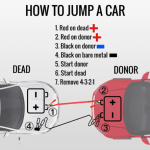
Frequent Jump Starts
A healthy battery should not require repeated jump starts.
If jump starts become common, battery replacement is usually necessary.
Solutions and Advice: How to Make Your Car Battery Last Longer
The good news is that proper maintenance can significantly extend battery life.
Drive Your Vehicle Regularly
Regular driving helps maintain battery charge.
Experts recommend driving for at least 20 to 30 minutes several times each week.
This allows the alternator to recharge the battery properly.
Avoid Excessive Short Trips
Whenever possible, combine errands into one longer trip.
Longer drives help:
- Restore battery charge
- Reduce strain on the electrical system
- Improve battery longevity
Keep Battery Terminals Clean
Inspect battery terminals regularly.
If corrosion appears:
- Disconnect the battery.
- Clean terminals carefully.
- Reconnect securely.
Clean connections improve charging efficiency and overall performance.
Turn Off Electronics Before Leaving the Vehicle
Many battery failures occur because drivers accidentally leave electronics running.
Always check:
- Headlights
- Interior lights
- Radio systems
- USB accessories
Turning off unnecessary devices prevents battery drain.
Test the Battery Annually
Most automotive service centers offer battery testing.
Annual testing helps identify:
- Reduced capacity
- Charging problems
- Potential failures
Early detection allows replacement before a breakdown occurs.
Protect the Battery from Extreme Temperatures
When possible:
- Park in a garage
- Use shaded parking areas
- Avoid prolonged exposure to severe weather
Temperature protection helps preserve battery health.
Secure the Battery Properly
Vibration damages internal battery components.
Ensure the battery remains firmly secured in its mounting tray.
This simple step can significantly increase lifespan.
Replace an Aging Battery Proactively
If your battery approaches five years of age, consider replacement before failure occurs.
Preventive replacement is often more convenient than dealing with a roadside breakdown.
How Long Should a Car Battery Last in Different Vehicles?
Battery life varies depending on vehicle type.
Compact Cars
Average lifespan:
- 3 to 5 years
Sedans
Average lifespan:
- 3 to 5 years
SUVs
Average lifespan:
- 3 to 6 years
Pickup Trucks
Average lifespan:
- 3 to 5 years
Luxury Vehicles
Average lifespan:
- 3 to 6 years
Hybrid Vehicles
Average lifespan:
- 8 to 10 years for hybrid battery packs
Electric Vehicles
Average lifespan:
- 8 to 15 years for main battery systems
Conclusion
So, how long should a car battery last? For most drivers, a well-maintained car battery should last between three and five years, although premium batteries may exceed this range. Climate, driving habits, vehicle usage, and maintenance all play important roles in determining battery lifespan.
Drivers who regularly inspect their batteries, keep terminals clean, avoid excessive short trips, and protect their vehicles from extreme temperatures can often maximize battery performance and reduce replacement costs.
Rather than waiting for complete failure, it is wise to monitor warning signs such as slow starting, dim lights, corrosion, and frequent jump starts. Taking action early can prevent inconvenience and ensure reliable vehicle operation throughout the battery’s lifespan.
Frequently Asked Questions (FAQs)
1. How long should a car battery last on average?
Most car batteries last between three and five years under normal driving conditions.
2. Can a car battery last longer than five years?
Yes. High-quality batteries that receive proper maintenance can sometimes last six years or more.
3. Does hot weather shorten battery life?
Yes. Excessive heat accelerates internal corrosion and fluid evaporation, reducing battery lifespan.
4. How do I know if my car battery is dying?
Common signs include slow engine cranking, dim headlights, dashboard warning lights, electrical issues, and frequent jump starts.
5. Do short trips damage a car battery?
Frequent short trips can prevent the battery from fully recharging, which may shorten its lifespan over time.
6. Should I replace my battery before it fails?
If the battery is approaching five years old, proactive replacement can help avoid unexpected breakdowns.
7. Can a battery die if a car sits unused?
Yes. Vehicles that remain parked for long periods can experience battery discharge and reduced battery health.