







The Key Question or Issue
If your vehicle struggles to start or your battery has reached the end of its lifespan, you may wonder how to remove car battery safely. Although the process seems simple, removing a battery incorrectly can damage your vehicle’s electrical system or even cause injury. Therefore, learning the correct method is essential before you begin.
Many car owners prefer to replace or inspect a battery themselves to save money on labor costs. However, they often worry about disconnecting the wrong terminal, damaging sensitive electronics, or handling a heavy battery safely. Fortunately, removing a car battery is a straightforward task when you follow the proper steps and use the right tools.
This guide explains everything you need to know about removing a car battery safely. In addition, it covers common mistakes, safety precautions, and maintenance tips that help protect both you and your vehicle.
Understanding Car Batteries: Context and Background
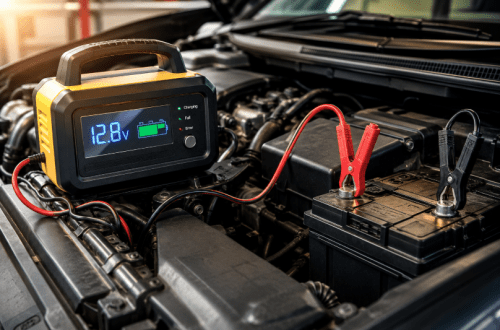
A car battery supplies the electrical power needed to start the engine and operate accessories such as lights, the infotainment system, and power windows. Once the engine starts, the alternator recharges the battery while powering the vehicle’s electrical systems.
Most car batteries last between three and five years. Eventually, every battery loses its ability to hold a charge. As a result, replacement becomes necessary.
Before removing the battery, it helps to understand its basic components.
Positive Terminal
The positive terminal usually has a red cover and a plus (+) symbol. It connects the battery to the vehicle’s electrical system.
Negative Terminal
The negative terminal usually has a black cover and a minus (−) symbol. It connects to the vehicle’s chassis and acts as the ground.
Battery Hold-Down Bracket
Most vehicles use a clamp or bracket to keep the battery securely in place. You must remove this bracket before lifting the battery out.
Why You May Need to Remove Car Battery
Several situations require battery removal.
For example, you may need to:
- Replace an old battery.
- Recharge a discharged battery.
- Clean corrosion from the battery tray.
- Perform engine repairs.
- Store the vehicle for an extended period.
- Inspect battery cables and terminals.
Regardless of the reason, the removal process remains largely the same.
Tools You’ll Need
Gather your tools before starting the job. Having everything ready makes the process faster and safer.
You will typically need:
- Safety gloves
- Safety glasses
- Socket wrench or spanner
- Battery terminal puller (optional)
- Battery cleaning brush
- Clean cloth
- Baking soda and water solution for corrosion
- Battery carrying strap if available
Safety Precautions Before Removing the Battery
Safety should always come first.
First, park the vehicle on a flat surface. Then engage the parking brake and switch off the engine completely. Next, remove the ignition key and allow the engine to cool.
After that, wear protective gloves and safety glasses. Batteries contain sulfuric acid, which can cause burns if it contacts your skin or eyes.
In addition, avoid smoking or creating sparks near the battery because batteries can release flammable hydrogen gas during charging.
Finally, remove metal jewelry such as rings or bracelets to reduce the risk of accidental short circuits.
Step-by-Step Guide: How to Remove Car Battery
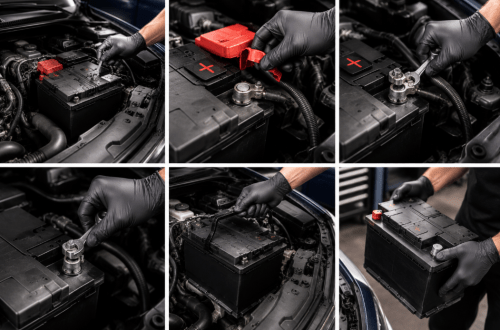
Step 1: Locate the Battery
Open the hood and find the battery.
In most vehicles, the battery sits inside the engine compartment. However, some manufacturers place it in the trunk or beneath the rear seat.
If you cannot locate it, check your owner’s manual.
Step 2: Identify the Positive and Negative Terminals
Before disconnecting anything, identify both battery terminals.
The positive terminal usually features:
- Red cable
- Plus (+) sign
The negative terminal usually features:
- Black cable
- Minus (−) sign
Taking a photo beforehand can help during reinstallation.
Step 3: Disconnect the Negative Terminal First
This step is extremely important.
Always loosen the negative terminal before touching the positive terminal.
Use the correct wrench to loosen the terminal clamp.
Once loose, carefully lift the cable away from the battery. Then move it aside so it cannot accidentally touch the terminal again.
Disconnecting the negative terminal first reduces the chance of creating an electrical short.
Step 4: Disconnect the Positive Terminal
After removing the negative cable, loosen the positive terminal.
Lift the cable away carefully and place it away from the battery.
Avoid allowing metal tools to touch both terminals simultaneously.
Step 5: Remove the Hold-Down Clamp
Locate the battery retaining bracket.
Depending on your vehicle, it may sit:
- Across the top
- At the bottom
- Along one side
Use your socket wrench to remove the retaining bolts.
Keep the hardware in a safe place because you will need it during installation.
Step 6: Lift the Battery Carefully
Car batteries are heavier than many people expect.
Most weigh between 30 and 50 pounds.
Use both hands and lift with your legs rather than your back.
If the battery has a carrying handle, use it.
Otherwise, a battery carrying strap provides better control.
Avoid tilting the battery because acid could leak if the case is damaged.
Step 7: Inspect the Battery Tray
With the battery removed, inspect the tray carefully.
Look for:
- Rust
- Dirt
- Acid residue
- Loose mounting hardware
- Damaged cables
If corrosion is present, clean the tray using a baking soda and water mixture.
Allow everything to dry completely before installing a new battery.
Common Mistakes to Avoid
Although removing a battery is relatively simple, several mistakes can create unnecessary problems.
Never disconnect the positive terminal first.
Never force battery cables loose with excessive pressure.
Never place metal tools across both battery terminals.
Never lift the battery using only one hand.
Never ignore corrosion because it can damage electrical connections over time.
Likewise, avoid installing a replacement battery without checking the terminal orientation.
Tips for Installing a New Battery
If you plan to install a replacement battery immediately, reverse the removal process.
First, place the new battery securely into the tray.
Next, reinstall the hold-down bracket.
Afterward, connect the positive terminal first.
Then connect the negative terminal.
Finally, tighten both terminals securely without overtightening them.
Start the engine and verify that everything operates normally.
Conclusion
Learning how to remove a car battery is a valuable skill for every vehicle owner. By following the correct procedure, using proper safety equipment, and disconnecting the negative terminal first, you can complete the task confidently and safely.
Moreover, regular battery inspections help prevent unexpected breakdowns and extend the life of your vehicle’s electrical system. Whether you plan to replace an old battery, clean corrosion, or perform maintenance, taking your time and following each step carefully will produce the best results.
Frequently Asked Questions
1. Which battery terminal should I remove first?
Always disconnect the negative terminal first to reduce the risk of electrical shorts.
2. Can I remove a car battery without professional help?
Yes. Most vehicle owners can remove a car battery safely if they follow the proper steps and safety precautions.
3. How heavy is a typical car battery?
Most passenger car batteries weigh between 30 and 50 pounds, although larger vehicles may use heavier batteries.
4. Do I need special tools to remove a battery?
No. Basic hand tools, safety gloves, and safety glasses are usually enough for the job.
5. What happens if I disconnect the positive terminal first?
Disconnecting the positive terminal first increases the risk of creating an electrical short if your tool contacts a grounded metal surface.
6. Should I clean corrosion before installing a new battery?
Yes. Cleaning corrosion ensures a secure electrical connection and helps improve battery performance.
7. How long does it take to remove a car battery?
For most vehicles, removing a car battery takes between 15 and 30 minutes, depending on the battery location and mounting system.