








INTRODUCTION
A dead or weak car battery is one of the most common problems drivers face. Whether you accidentally left your headlights on overnight or your battery has simply become weak over time, one of the first questions that comes to mind is: How long does it take to charge a car battery?
The answer isn’t always straightforward. Charging time depends on several factors, including the battery’s size, its current charge level, the type of charger you’re using, and the battery’s overall condition. Some batteries can be charged in under an hour with a high-powered charger, while others may need 10 to 24 hours to reach a full charge safely.
In this guide, we’ll explain everything you need to know about charging a car battery, what affects charging time, and how to do it safely.
Why Do People Need to Charge a Car Battery?
A car battery provides the electrical power needed to start your engine and operate your vehicle’s electrical systems. However, batteries gradually lose power over time and can discharge for several reasons, including:
- Leaving lights or accessories on.
- Infrequent driving.
- Cold or extremely hot weather.
- A faulty alternator.
- An old battery nearing the end of its lifespan.
When your battery becomes too weak to start the vehicle, charging it is often the quickest solution—provided the battery is still healthy.
How Long Does It Take to Charge a Car Battery?
The average charging time depends on the charger you’re using.
Using a 2-Amp Trickle Charger
A 2-amp charger is designed to charge batteries slowly and safely.
- Charging time: 24 to 48 hours
- Best for maintaining battery health.
- Ideal for long-term storage and deeply discharged batteries.
Although slow, trickle charging helps prevent overheating and extends battery life.
Using a 4-Amp Charger
A 4-amp charger offers a balance between speed and battery protection.
- Charging time: 12 to 24 hours
- Suitable for regular home use.
- Less stress on the battery than fast charging.
Using a 10-Amp Charger
This is one of the most common charger sizes for everyday drivers.
- Charging time: 4 to 8 hours
- Good combination of speed and safety.
- Suitable for most standard car batteries.
Using a 20 to 50-Amp Fast Charger
Fast chargers deliver a large amount of current in a short period.
- Charging time: 30 minutes to 2 hours
- Best for emergencies.
- Should not be used regularly because frequent fast charging may reduce battery lifespan.
Factors That Affect Charging Time
No two batteries charge exactly the same. Several factors influence how long charging will take.
Battery Capacity
Larger batteries require more time to charge than smaller ones. A battery with a higher amp-hour (Ah) rating stores more energy, meaning it takes longer to recharge fully.
Battery Condition
Older batteries don’t accept charge as efficiently as newer ones. If your battery is damaged or sulfated, charging may take much longer—or it may never reach a full charge.
State of Charge
A battery that’s only slightly discharged may need just a couple of hours. A completely dead battery can require an overnight charge or longer.
Charger Output
Higher-amp chargers deliver more current, reducing charging time. However, slower charging is generally healthier for the battery.
Temperature
Cold weather slows the chemical reactions inside the battery, increasing charging time. Extremely hot temperatures can also affect charging efficiency.
How Long Does It Take to Charge a Dead Car Battery?
A completely dead battery usually requires more time than a partially discharged one.
Typical charging times include:
- 2-amp charger: 24–48 hours
- 4-amp charger: 12–24 hours
- 10-amp charger: 6–10 hours
- Fast charger: 1–2 hours (temporary emergency charge)
If the battery still won’t hold a charge after charging, it may need replacement.
Can Driving Charge a Car Battery?
Yes—but only under certain conditions.
Your vehicle’s alternator recharges the battery while the engine is running. However, driving isn’t always enough to recharge a deeply discharged battery.
Generally:
- 30 minutes of driving adds only a partial charge.
- 1–2 hours of highway driving provides a much better recharge.
- Stop-and-go traffic charges the battery less effectively than highway driving.
If the battery is completely dead, using a battery charger is usually more effective than relying on the alternator.
Signs Your Battery Is Fully Charged
Many modern smart chargers automatically indicate when charging is complete.
You may notice:
- Charger displays “Full” or “Charged.”
- Voltage reaches around 12.6–12.8 volts after resting.
- Green indicator light (on some batteries).
- Charger automatically switches to maintenance mode.
Avoid disconnecting the battery immediately after fast charging. Allowing it to rest provides a more accurate voltage reading.
Is Fast Charging Safe?
Fast charging is convenient during emergencies but should not become your regular charging method.
Advantages:
- Saves time.
- Gets you back on the road quickly.
- Useful during roadside emergencies.
Disadvantages:
- Generates more heat.
- Can shorten battery lifespan if used frequently.
- Places additional stress on battery components.
For routine maintenance, slower charging is always the better option.
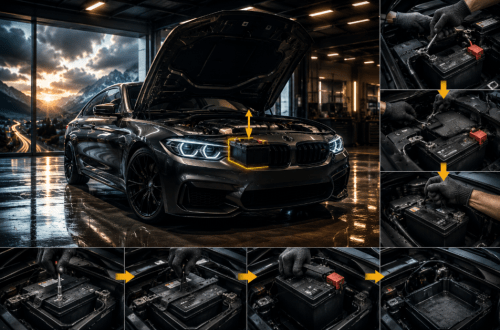
How to Charge a Car Battery Safely
Charging a battery is relatively simple when done correctly.
Follow these steps:
- Park the vehicle in a well-ventilated area.
- Turn off the engine and remove the key.
- Wear safety gloves and eye protection.
- Connect the positive (red) charger clamp to the positive battery terminal.
- Connect the negative (black) clamp to the negative terminal or a suitable ground.
- Select the correct charging mode.
- Turn on the charger.
- Wait until charging is complete.
- Turn off the charger before disconnecting the clamps.
- Test the battery before driving.
Always follow the instructions provided by your battery charger manufacturer.
Common Mistakes to Avoid
Many battery problems result from improper charging.
Avoid these common mistakes:
- Using the wrong charger setting.
- Reversing the battery terminals.
- Charging in an enclosed space without ventilation.
- Ignoring corrosion on battery terminals.
- Overcharging an older battery.
- Using damaged charging cables.
- Charging a cracked or leaking battery.
Taking a few extra precautions can prevent expensive repairs.
How Often Should You Charge Your Car Battery?
Most drivers never need to manually charge their battery if they drive regularly.
However, charging may be necessary if:
- The vehicle sits unused for several weeks.
- You make frequent short trips.
- The battery repeatedly becomes weak.
- The car is stored during winter.
Using a battery maintainer can help preserve battery life during long periods of storage.
When Should You Replace Instead of Recharge?
Charging won’t solve every battery problem.
Consider replacing the battery if:
- It’s more than 3–5 years old.
- It won’t hold a charge.
- The battery case is swollen.
- It repeatedly dies after charging.
- A load test indicates battery failure.
Replacing a failing battery is usually more reliable than repeatedly charging it.
Tips to Make Your Car Battery Last Longer
You can maximize battery life by following a few simple habits:
- Drive your car regularly.
- Keep battery terminals clean.
- Avoid leaving electronics on when the engine is off.
- Check battery voltage periodically.
- Protect the battery from extreme temperatures.
- Use a smart charger instead of cheap chargers.
- Perform regular battery inspections.
Good maintenance can add years to your battery’s lifespan.
Conclusion
So, how long does it take to charge a car battery? The answer depends on your charger and the battery’s condition. A slow trickle charger may require up to 48 hours, while a standard 10-amp charger usually completes the job in about 4 to 8 hours. Fast chargers can provide enough power in under an hour for emergencies, but they should not be your everyday charging method.
For the best balance between charging speed and battery health, most experts recommend using a quality smart charger and allowing the battery to charge at a moderate rate. Regular maintenance, proper charging practices, and replacing worn-out batteries when necessary will help ensure your vehicle starts reliably every time.
Frequently Asked Questions (FAQs)
1. How long does it take to fully charge a dead car battery?
A completely dead car battery usually takes 6 to 24 hours, depending on the charger’s amperage and the battery’s capacity.
2. Can I charge a car battery overnight?
Yes. Smart chargers are designed for overnight charging and automatically stop or switch to maintenance mode when the battery is fully charged.
3. How long should I drive to recharge my car battery?
Driving for 30 minutes to 2 hours can help recharge the battery, although a dedicated battery charger is more effective for deeply discharged batteries.
4. Is it better to charge a battery slowly or quickly?
Slow charging is generally better because it generates less heat and helps extend the battery’s overall lifespan.
5. Can a completely dead battery be recharged?
Yes, if the battery is still in good condition. However, if it cannot hold a charge after recharging, it likely needs replacement.
6. How do I know when my car battery is fully charged?
Most smart chargers display a “Fully Charged” indicator. A healthy battery typically measures 12.6 to 12.8 volts after resting.
7. Can overcharging damage a car battery?
Yes. Overcharging can reduce battery life, cause overheating, and damage internal components. Using a smart charger helps prevent overcharging.