






The Key Question: Why Is Checking Car Fluids Important?
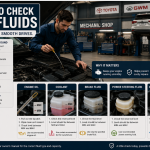
One of the most common questions vehicle owners ask is: How do I check my car fluids, and why does it matter?
Many drivers focus on fuel levels and tire pressure but often overlook the fluids that keep a vehicle running efficiently. Car fluids play a critical role in lubrication, cooling, braking, steering, and transmission performance. When fluid levels become too low or contaminated, they can cause expensive repairs, reduced performance, and even complete system failure.
The good news is that checking most car fluids is simple and can be done at home with basic knowledge and a few minutes of your time. Regular inspections help identify problems early, improve vehicle reliability, and extend the life of major components.
This guide explains everything you need to know about checking car fluids, including what each fluid does, where to find it, how to inspect it, and when it should be replaced.
Understanding the Importance of Car Fluids
Every vehicle relies on several fluids to operate properly. These fluids reduce friction, transfer heat, protect components, and ensure systems function smoothly.
Without proper fluid maintenance, even the most reliable vehicle can develop serious mechanical problems.
Common vehicle fluids include:
- Engine Oil
- Coolant
- Brake Fluid
- Transmission Fluid
- Power Steering Fluid
- Windshield Washer Fluid
- Differential Fluid (on some vehicles)
- Transfer Case Fluid (4WD and AWD vehicles)
Each fluid serves a specific purpose and requires periodic inspection.
Neglecting fluid checks can lead to:
- Engine overheating
- Transmission damage
- Brake failure
- Steering problems
- Increased wear and tear
- Reduced fuel efficiency
Understanding these risks highlights why fluid maintenance should be part of every driver’s routine.
Safety Before Checking Car Fluids
Before inspecting any fluid, safety should come first.
Park on a Level Surface
Accurate fluid readings require a flat surface.
Turn Off the Engine
Most fluids should be checked with the engine off unless the owner’s manual specifies otherwise.
Allow Hot Components to Cool
Engine parts and coolant systems can become extremely hot. Wait for the engine to cool before opening any reservoirs.
Wear Protective Gloves
Automotive fluids can be harmful to skin and clothing.
Consult Your Owner’s Manual
Every vehicle is slightly different, and the owner’s manual identifies fluid locations and recommended specifications.
Following these precautions helps prevent injury and ensures accurate inspections.
How to Check Engine Oil
Engine oil is one of the most important fluids in any vehicle.
What Engine Oil Does
Engine oil lubricates moving parts, reduces friction, removes contaminants, and helps control engine temperature.
Steps to Check Engine Oil
- Park on level ground.
- Turn off the engine.
- Wait several minutes.
- Open the hood.
- Locate the oil dipstick.
- Pull out the dipstick and wipe it clean.
- Reinsert the dipstick fully.
- Remove it again and inspect the oil level.
The oil should fall between the minimum and maximum markings.
Inspect Oil Condition
Healthy oil usually appears amber or light brown.
Signs of problems include:
- Thick black sludge
- Metal particles
- Milky appearance
If oil looks contaminated or levels are low, maintenance may be necessary.
How to Check Engine Coolant
Coolant prevents the engine from overheating and protects against freezing in cold temperatures.
Why Coolant Matters
Engines generate enormous heat during operation. Coolant circulates through the engine and radiator to maintain safe temperatures.
Checking Coolant Safely
Never remove the radiator cap when the engine is hot.
Instead:
- Allow the engine to cool completely.
- Locate the coolant reservoir.
- Check the fluid level against the markings on the side.
Most reservoirs include “MIN” and “MAX” indicators.
What to Look For
Coolant should appear clean and brightly colored.
Common colors include:
- Green
- Orange
- Yellow
- Pink
- Blue
Rusty, cloudy, or contaminated coolant may indicate a cooling system issue.
How to Check Brake Fluid
Brake fluid is critical for safe vehicle operation.
What Brake Fluid Does
When you press the brake pedal, brake fluid transfers force through the braking system.
Low or contaminated brake fluid can reduce braking performance.
Checking Brake Fluid
- Locate the brake fluid reservoir.
- Inspect the level through the transparent container.
- Verify that the fluid sits between the minimum and maximum marks.
Fluid Condition
Healthy brake fluid is usually clear or light yellow.
Dark or dirty fluid may require replacement.
If brake fluid levels drop frequently, a leak could be present and should be inspected immediately.
How to Check Transmission Fluid
Transmission fluid lubricates gears and helps transfer power from the engine to the wheels.
Importance of Transmission Fluid
Low transmission fluid can cause:
- Hard shifting
- Slipping gears
- Overheating
- Transmission failure
Checking Automatic Transmission Fluid
Some vehicles use a transmission dipstick.
Typical steps include:
- Start the engine.
- Allow it to reach operating temperature.
- Park on level ground.
- Shift through all gears.
- Place the transmission in park.
- Remove the transmission dipstick.
- Wipe it clean.
- Reinsert and remove again.
- Check the level.
Inspect Fluid Condition
Healthy transmission fluid is usually red or pink.
Warning signs include:
- Dark brown color
- Burnt smell
- Metal particles
Many modern vehicles use sealed transmissions that require professional inspection.
How to Check Power Steering Fluid
Power steering fluid assists steering operation and makes turning easier.
Why It Matters
Low fluid levels can lead to:
- Difficult steering
- Noisy pumps
- Steering system damage
Inspection Steps
- Locate the power steering reservoir.
- Check the level markings.
- Ensure the fluid falls within the recommended range.
Fluid Appearance
Good power steering fluid is generally clear, amber, or reddish.
Dark fluid may indicate contamination or aging.
Not all modern vehicles use hydraulic power steering systems, as many now use electric power steering.
How to Check Windshield Washer Fluid
Although not directly related to engine performance, windshield washer fluid is essential for visibility and safety.
Inspection Process
- Locate the washer fluid reservoir.
- Open the cap.
- Check the fluid level.
- Refill if necessary.
Many reservoirs have a windshield symbol on the cap for easy identification.
Using appropriate washer fluid helps remove dirt, bugs, and road grime effectively.
Differential and Transfer Case Fluids
Some vehicles require additional fluid checks.
Differential Fluid
Differentials allow wheels to rotate at different speeds during turns.
Low differential fluid can lead to gear damage and noise.
Transfer Case Fluid
Four-wheel-drive and all-wheel-drive vehicles often use a transfer case.
Transfer case fluid lubricates gears and bearings inside the system.
Because these components typically lack convenient dipsticks, inspections are often performed during routine maintenance.
Signs Your Vehicle May Have Fluid Problems
Even if fluid levels appear normal, symptoms may indicate trouble.
Common warning signs include:
Fluid Leaks
Puddles under your vehicle should never be ignored.
Dashboard Warning Lights
Modern vehicles monitor fluid-related systems and display warning indicators.
Strange Noises
Whining, grinding, or squealing may suggest low fluid levels.
Burning Smells
Overheated or contaminated fluids often produce unusual odors.
Poor Performance
Transmission hesitation, weak brakes, or heavy steering can indicate fluid-related issues.
Addressing these symptoms early can prevent major repairs.
How Often Should You Check Car Fluids?
Maintenance intervals vary by vehicle, but general recommendations include:
Engine Oil
Check monthly and before long trips.
Coolant
Inspect monthly.
Brake Fluid
Inspect every few months.
Transmission Fluid
Check according to manufacturer recommendations.
Power Steering Fluid
Inspect during routine maintenance.
Washer Fluid
Check whenever visibility becomes a concern.
Regular inspections help catch problems before they become serious.
Common Mistakes Drivers Make
Many vehicle owners unintentionally damage their vehicles by making avoidable mistakes.
Ignoring Warning Lights
Warning lights often indicate developing fluid issues.
Mixing Fluid Types
Using incorrect fluids can damage vehicle systems.
Overfilling Reservoirs
Too much fluid can be as harmful as too little.
Skipping Maintenance
Waiting until problems appear often results in more expensive repairs.
Neglecting Fluid Quality
Even when levels are correct, contaminated fluids can cause serious issues.
Understanding these mistakes helps drivers maintain their vehicles properly.
Tips for Maintaining Healthy Vehicle Fluids
To maximize vehicle reliability:
- Follow manufacturer maintenance schedules.
- Use recommended fluid types.
- Check fluids regularly.
- Repair leaks promptly.
- Replace contaminated fluids.
- Keep service records.
- Inspect hoses and seals periodically.
- Address unusual symptoms immediately.
Consistent maintenance significantly reduces repair costs and improves vehicle lifespan.
Conclusion
Knowing how to check car fluids is one of the simplest and most valuable skills a vehicle owner can learn. Regular fluid inspections help prevent breakdowns, improve safety, increase reliability, and protect expensive components from premature wear.
By routinely checking engine oil, coolant, brake fluid, transmission fluid, power steering fluid, and windshield washer fluid, drivers can identify problems before they become major repairs. These quick inspections take only a few minutes but can save hundreds or even thousands of dollars in maintenance costs.
Vehicle ownership becomes much easier when fluid maintenance becomes a habit. With proper care and attention, your car can remain safe, efficient, and dependable for many years to come.