




When you hear the name Rolls-Royce, your mind instantly conjures images of pure, unadulterated opulence. Consequently, you probably visualize the towering chrome grille of a Phantom rolling down a rain-slicked London street, or a massive Cullinan SUV commanding a mountain pass. Furthermore, you might think of the legendary Spirit of Ecstasy hood ornament guiding billionaires through city traffic. However, behind this ultra-luxury facade lies a web of corporate secrets, high-stakes bidding wars, and a shocking split that most people completely misunderstand.
The Great Automotive Illusion
To truly understand who owns Rolls-Royce, we must first dispel a major misconception. Many people believe that the company building million-dollar luxury cars is the exact same entity that builds roaring jet engines for commercial airplanes. However, this is completely false. In reality, Rolls-Royce is divided into two entirely separate, independent corporate entities with totally different owners. Therefore, if you want to know who calls the shots, you have to look at the unique history of the brand.
                  ┌───────────────────────────┐
                  │   The Original Company    │
                  │   (Rolls-Royce Limited)   │
                  └─────────────┬─────────────┘
                                │ Separated in 1971
                                ▼
         ┌─────────────────────────────────────────────┐
         │                                             │
         ▼                                             ▼
┌──────────────────┐                         ┌──────────────────┐
│   Aero-Engines   │                         │  Automotive Div  │
│(Rolls-Royce plc) │                         │ (Vickers plc '80)│
└────────┬─────────┘                         └─────────┬────────┘
         │                                             │
         ▼ Publicly Traded                             ▼ 1998 Bidding War
┌──────────────────┐                         ┌──────────────────┐
│ Institutional    │                         │  BMW Group '03   │
│ Investors        │                         │  (Full Control)  │
└──────────────────┘                         └──────────────────┘
The split tracing back to 1971 changed the trajectory of the famous brand forever. Because the original enterprise suffered catastrophic financial trouble due to development bugs in an advanced jet engine program, the British government nationalized the company. Consequently, the state safely separated the aerospace manufacturing arm from the luxury automobile division. This foundational divide set the stage for one of the most cutthroat corporate battles in modern history.
The 1998 Bidding War That Shocked the Industry
During the late 1990s, the British conglomerate Vickers decided to sell off the Rolls-Royce motor car division. Instantly, German automotive giants recognized a golden opportunity to absorb the world’s most prestigious luxury marque. BMW appeared to be the logical frontrunner because they already supplied engines and complex electronic components for existing Rolls-Royce models. However, Volkswagen Group unexpectedly crashed the party with a massive, aggressive cash offer that easily outbid BMW.
Volkswagen’s Empty Victory
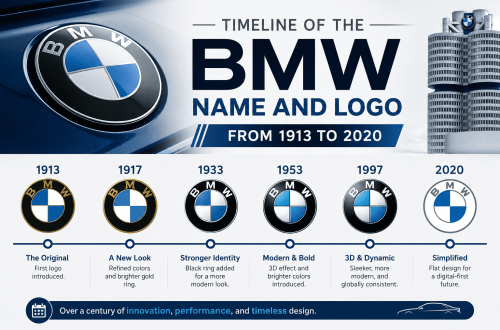
Initially, Volkswagen celebrated what looked like an absolute triumph over their rivals. They paid hundreds of millions of dollars to acquire the historic factory in Crewe, England, along with the physical designs for the vehicles. Yet, their celebration was incredibly short-lived. In their rush to seal the deal, Volkswagen executives overlooked a fatal legal loophole. Specifically, they did not acquire the actual rights to the “Rolls-Royce” brand name or the famous interlocking “RR” logo.
BMW’s Masterful Chess Move
While Volkswagen bought the physical assembly lines, BMW made a quiet, strategic move behind the scenes. They approached the completely separate aerospace company, Rolls-Royce plc, which still legally controlled the brand trademarks. For a relatively small sum, BMW successfully licensed the exclusive rights to use the Rolls-Royce name and logo for automotive purposes. This brilliant corporate play created an absolute stalemate. Volkswagen owned the factories but could not legally build a car called a Rolls-Royce, while BMW owned the legendary name but had no factory to build the vehicles.
The Final Agreement: A Split Legacy
| Automotive Marque | Current Corporate Parent | Production Facility Location |
| Rolls-Royce Motor Cars | BMW Group | Goodwood, West Sussex, England |
| Bentley Motors | Volkswagen Group | Crewe, Cheshire, England |
Realizing that a prolonged legal battle would destroy both brands, the two German giants reached a historic compromise. Volkswagen agreed to hand over full control of the Rolls-Royce name, logo, and identity to BMW. In exchange, Volkswagen kept the historic Crewe factory and took complete, exclusive ownership of Bentley Motors. Because of this agreement, the two historic British luxury brands were permanently separated.
Who Owns the Car Division Today?
Since January 1, 2003, BMW Group has been the sole owner of Rolls-Royce Motor Cars Limited. To honor the British heritage of the brand, BMW made the critical decision to keep the brand’s soul firmly rooted in its homeland. They built a state-of-the-art, stunningly modern global headquarters and manufacturing facility on the historic Goodwood Estate in West Sussex, England.
A True British Icon with German Engineering: While the financial profits flow back to Munich, Germany, every single Rolls-Royce vehicle is still meticulously designed, engineered, and hand-built by master craftsmen on British soil.
Under BMW’s highly organized stewardship, Rolls-Royce has experienced an incredible modern renaissance. By blending ultra-reliable German engineering with bespoke British luxury, models like the Ghost, Phantom, and the all-electric Spectre have set new sales records. Consequently, the brand remains the undisputed pinnacle of luxury transportation worldwide.
Who Owns the Aerospace and Jet Engine Division?
Now, let us flip to the other side of the original split. The aerospace empire, known formally as Rolls-Royce Holdings plc, is a completely independent, publicly traded corporation listed on the London Stock Exchange. It does not answer to a single automotive parent company. Instead, this multi-billion-dollar engineering giant is owned by a diverse collective of international institutional investors.
A Publicly Traded Engineering Giant
┌────────────────────────────────────────────────────────┐
│ Institutional Asset Managers (e.g., BlackRock)  ~82%   │
├─────────────────────────────────────────┬──────────────┤
│ Public Retail Investors                 │ ~18%         │
└─────────────────────────────────────────┴──────────────┘
Large institutional asset management firms collectively hold the vast majority of the shares in this aerospace powerhouse. According to recent financial data, massive funds like BlackRock and Capital Research dominate the shareholder register. These global investment firms heavily influence major strategic decisions, pushing the enterprise toward sustainable aviation fuels and next-generation defense systems. The remaining slice of equity belongs to public retail investors, ensuring a high level of market liquidity and public transparency.
Navigating the Future of an Empire
Today, Rolls-Royce Holdings plc focuses entirely on heavy industrial power systems, military defense applications, and commercial aviation. If you step onto a massive transatlantic commercial flight, there is a very high probability that the giant turbofan engines under the wings were manufactured by this specific entity. Furthermore, under the aggressive leadership of modern executives, the company is expanding into cutting-edge nuclear technology and small modular reactors to power future clean energy grids.
Ultimately, the story of Rolls-Royce ownership serves as a masterclass in corporate strategy, legal maneuvering, and branding preservation. One name represents two wildly successful, totally distinct empires. While BMW handles the peak of luxury travel on the road, global investors fund the pinnacle of propulsion in the skies.