







Key Question or Issue
Many truck owners ask the same question: Are truck toppers worth it? Whether you use your pickup truck for work, camping, travel, or everyday transportation, you may wonder if investing in a truck topper makes sense.
A truck topper, often called a truck cap, camper shell, or bed cap, covers the open bed of a pickup truck. While some owners appreciate the extra protection and storage, others hesitate because of the cost and potential impact on appearance and accessibility.
The decision becomes challenging because every truck owner has different needs. For example, a contractor may need secure storage for tools, while an outdoor enthusiast may want a weatherproof space for camping gear. Similarly, a family might simply want extra cargo protection during road trips.
Therefore, understanding the advantages and disadvantages of truck toppers can help you determine whether they fit your lifestyle and budget.
Context and Background
Truck toppers have been popular for decades. As pickup trucks evolved from work vehicles into multipurpose vehicles, manufacturers developed accessories that improved functionality. Among these accessories, truck toppers quickly became one of the most popular options.
What Is a Truck Topper?
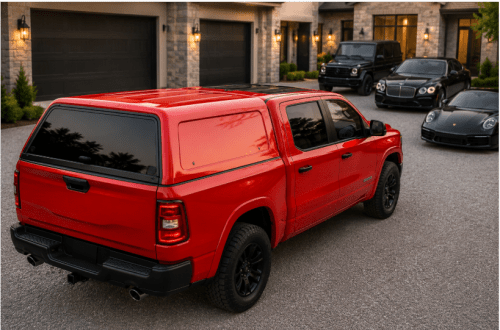
A truck topper is a rigid enclosure that fits over the bed of a pickup truck. Manufacturers typically build toppers from:
- Fiberglass
- Aluminum
- Composite materials
- Steel
Most toppers include windows, rear access doors, locks, and interior lighting options. Furthermore, many modern models feature roof racks, ventilation systems, and custom storage solutions.
Why Were Truck Toppers Created?
Pickup truck beds provide excellent hauling capacity. However, they also expose cargo to weather, theft, and road debris.
As a result, truck toppers were designed to solve several common problems:
- Protect cargo from rain and snow
- Improve security
- Increase storage versatility
- Create enclosed cargo space
- Enhance camping and recreational use
Over time, truck toppers became useful for a wide range of truck owners rather than just contractors and tradespeople.
Common Types of Truck Toppers
Before deciding whether a truck topper is worth purchasing, it helps to understand the available options.
Fiberglass Toppers
Fiberglass toppers are among the most popular choices because they provide an attractive appearance and excellent durability. In addition, manufacturers often paint them to match the truck’s color.
Aluminum Toppers
Aluminum toppers offer lightweight construction and strong durability. Consequently, many commercial users prefer them for work trucks.
Commercial Toppers
Commercial models include storage compartments, toolboxes, and shelving systems. Therefore, they serve contractors, electricians, plumbers, and service technicians well.
Camper Shells
Camper shells focus on outdoor recreation. As a result, they often include features that support camping and overlanding adventures.
Benefits of Truck Toppers
Truck toppers offer numerous advantages. Therefore, many pickup owners consider them a worthwhile investment.
1. Improved Cargo Protection
One of the biggest benefits involves protecting cargo from the elements.
Without a topper, rain, snow, sunlight, dust, and wind can damage items stored in the truck bed. However, a topper creates a protective enclosure.
As a result, tools, luggage, electronics, and other valuable items remain safer during transportation.
2. Enhanced Security
Security remains a major concern for truck owners.
Although an open truck bed allows easy access, it also makes theft easier. On the other hand, most truck toppers feature locking rear doors and windows.
Consequently, thieves face greater difficulty accessing your belongings.
3. Additional Storage Versatility
A topper transforms the truck bed into an enclosed cargo area.
Furthermore, many owners install shelving systems, storage bins, and organizers inside the topper.
Therefore, they can transport more equipment efficiently while keeping everything organized.
4. Better Camping Opportunities
Outdoor enthusiasts often view truck toppers as game-changing accessories.
For example, a topper can create a protected sleeping area inside the truck bed. Additionally, it provides shelter during poor weather conditions.
As a result, camping becomes more comfortable and convenient.
5. Improved Weather Resistance
Weather can change quickly during road trips and work projects.
Fortunately, truck toppers help keep cargo dry and protected.
Therefore, owners worry less about unexpected rainstorms or harsh environmental conditions.
6. Potential Fuel Efficiency Improvements
Some truck owners report slight fuel economy improvements after installing a topper.
Because a topper can improve airflow over the truck bed, aerodynamic efficiency may increase under certain driving conditions.
However, results vary depending on vehicle design, driving habits, and topper style.
7. Increased Vehicle Utility
Perhaps the greatest advantage involves versatility.
A truck equipped with a topper can function similarly to an SUV while still maintaining pickup truck capabilities.
Consequently, owners gain more flexibility for work, recreation, and family activities.
Drawbacks of Truck Toppers
Although truck toppers offer many benefits, they also present several disadvantages.
1. Initial Cost
Cost represents one of the biggest concerns.
Quality truck toppers can range from several hundred dollars to several thousand dollars depending on materials and features.
Therefore, budget-conscious buyers may hesitate before making a purchase.
2. Reduced Bed Accessibility
Without a topper, loading large items into the truck bed remains simple.
However, a topper can limit access from the sides and top.
As a result, loading oversized cargo may become more difficult.
3. Added Weight
Truck toppers add weight to the vehicle.
Although modern materials reduce overall weight, fiberglass and commercial models can still add significant mass.
Consequently, payload capacity may decrease slightly.
4. Height Restrictions
Some toppers increase the truck’s overall height.
Therefore, owners may encounter difficulties when entering parking garages, car washes, or low-clearance structures.
5. Maintenance Requirements
Like any vehicle accessory, truck toppers require maintenance.
For example, owners should inspect seals, locks, hinges, and windows regularly.
Otherwise, water leaks or mechanical issues may develop over time.
6. Higher Purchase Complexity
Choosing the right topper involves several decisions.
Buyers must consider:
- Material type
- Window configuration
- Security features
- Weight
- Appearance
- Intended use
Therefore, selecting the best option requires careful research.
Solution and Buying Advice
If you are still wondering whether a truck topper is worth it, the answer depends largely on how you use your truck.
Buy a Truck Topper If:
You should seriously consider a topper if you:
- Transport expensive equipment
- Carry tools regularly
- Camp frequently
- Travel long distances
- Need weather protection
- Want additional storage security
In these situations, a topper often provides substantial value.
Skip a Truck Topper If:
A topper may not be necessary if you:
- Rarely use the truck bed
- Frequently haul oversized cargo
- Need unrestricted bed access
- Have a very limited budget
In such cases, alternative solutions like tonneau covers may provide better value.
Consider Your Lifestyle
Before making a decision, think carefully about your daily needs.
For instance, contractors often prioritize security and organization. Meanwhile, campers typically focus on weather protection and sleeping space.
Therefore, your intended use should guide your purchase decision.
Compare Materials Carefully
Material selection affects durability, appearance, and cost.
Fiberglass offers a premium appearance, while aluminum provides durability and lighter weight.
Consequently, comparing options can help maximize long-term satisfaction.
Evaluate Long-Term Value
Although the upfront investment may seem significant, a quality topper can last many years.
Furthermore, it may reduce cargo damage, improve organization, and increase convenience.
As a result, many owners find that the benefits outweigh the initial expense.
Conclusion
Truck toppers remain one of the most practical accessories available for pickup truck owners. They provide cargo protection, improved security, additional storage versatility, and enhanced camping opportunities. Moreover, they can transform a truck into a more functional vehicle for both work and recreation.
However, they also come with costs, added weight, and reduced accessibility. Therefore, buyers should carefully evaluate their needs before making a purchase.
For truck owners who regularly transport valuable cargo, travel frequently, or enjoy outdoor adventures, a truck topper often proves to be a worthwhile investment. On the other hand, drivers who rarely use their truck bed or frequently haul oversized items may find other solutions more suitable.
Ultimately, the best choice depends on your budget, lifestyle, and intended use. When selected carefully, a quality truck topper can provide years of convenience, protection, and functionality.
FAQs
1. What is a truck topper?
A truck topper is a hard cover that encloses the bed of a pickup truck, providing protection, security, and additional storage space.
2. Are truck toppers worth the money?
Yes, many truck owners find them worthwhile because they improve cargo protection, security, and overall vehicle versatility.
3. Do truck toppers improve fuel economy?
Some truck owners experience slight fuel economy improvements due to better aerodynamics, although results vary by vehicle and driving conditions.
4. What is the difference between a truck topper and a tonneau cover?
A truck topper fully encloses the truck bed, while a tonneau cover only covers the top portion of the bed.
5. Can you sleep inside a truck topper?
Yes, many campers and outdoor enthusiasts use truck toppers to create a protected sleeping area inside the truck bed.
6. How long do truck toppers last?
A high-quality truck topper can last 10 to 20 years or even longer with proper maintenance.
7. Which truck topper material is best?
Fiberglass is popular for appearance and durability, while aluminum is preferred for lightweight strength and commercial use.