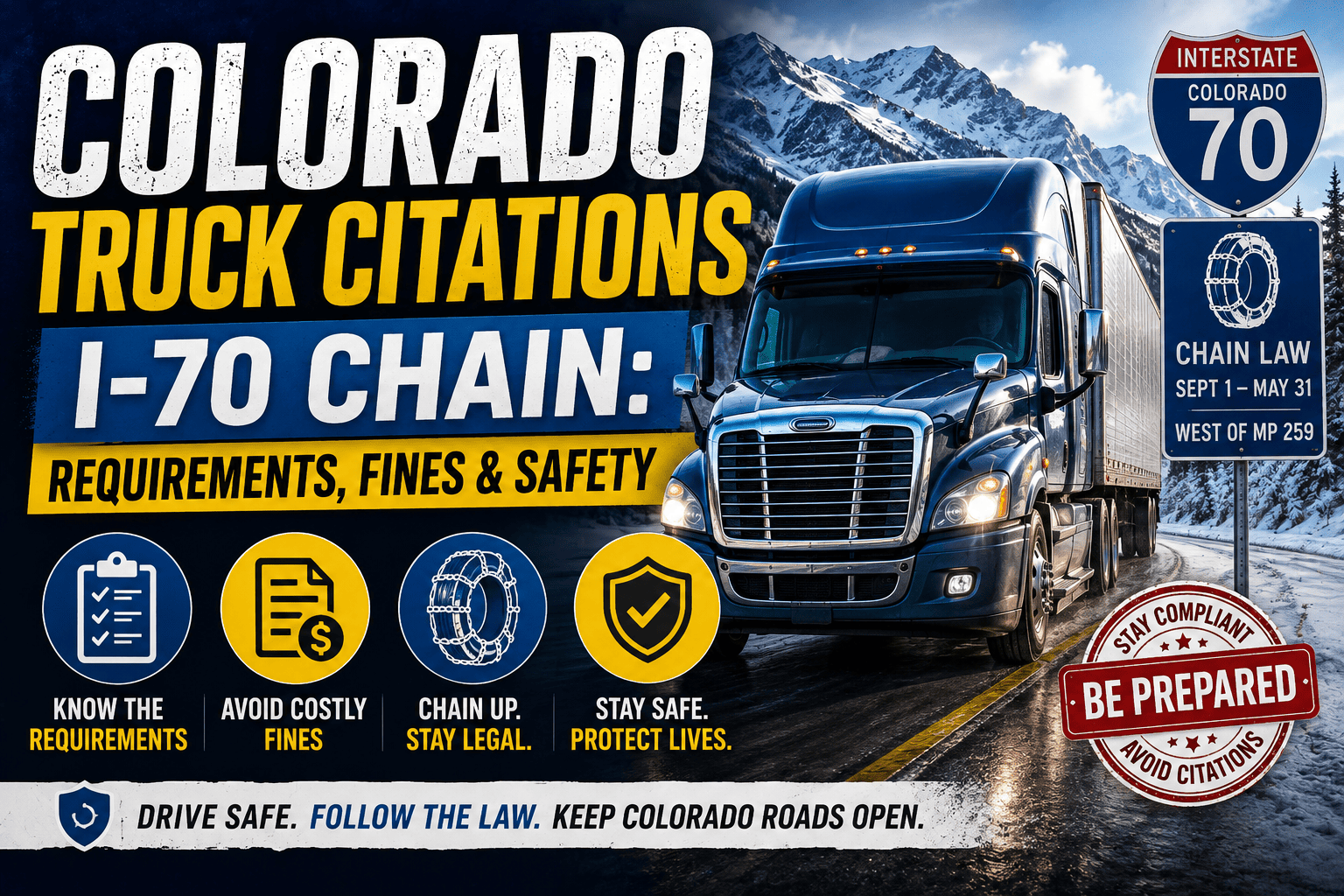









When you cruise down the open interstate, you share the blacktop with massive commercial transport vehicles every day. For instance, these giant rigs haul everything from fresh supermarket produce to heavy construction materials across entire continents. For standard passenger vehicle drivers, understanding the true mass of these highway giants is critical for safety. Consequently, knowing exactly how much a semi truck weighs reveals why they require massive braking zones.
Determining the actual weight of an 18-wheeler is more complex than reading a single static number. Specifically, the total heft of a commercial vehicle depends entirely on its trailer type, fuel capacity, and cargo. By exploring the critical distinctions between unladen tare weight and fully loaded gross vehicle ratings, we unveil automotive engineering. Therefore, this ultimate guide breaks down the physics, legal limitations, and real-world weight dynamics of modern shipping rigs.
Defining the Vocabulary: Gross Vehicle Weight vs. Tare Weight
Before analyzing specific weight classes, we must master the terminology used by logistics professionals and state DOT officers. To make sense of weigh station logs, you must understand the difference between empty and full states. For example, the term “tare weight” refers strictly to the unladen weight of an empty tractor and trailer setup.
Conversely, the “gross vehicle weight” represents the actual, real-time weight of the rig including cargo, fuel, and drivers. Furthermore, manufacturers establish a “gross vehicle weight rating” which dictates the absolute maximum safe weight the architecture can support. By keeping these core definitions clear, we can safely explore the detailed structural segments of commercial vehicles.
The Tractor Alone: How Much Does a Semi Cab Weigh?
The front section of an 18-wheeler, known formally as the tractor, houses the heavy mechanical powertrain and cabin. Consequently, even without a massive shipping trailer attached behind it, the cab carries an incredible amount of solid mass. On average, a standalone semi-truck tractor weighs anywhere between 10,000 and 25,000 pounds on its own.
The wide variance in this specific weight range is driven entirely by the truck’s operational cabin configuration. For instance, local delivery operations utilize day cabs, which lack rear sleeping quarters and keep total chassis weight low. In contrast, long-haul cross-country shipping rigs feature massive sleeper berths outfitted with integrated refrigerators, beds, and entertainment systems.
Empty vs. Loaded: The Drastic Weight Shift of the Trailer
When a truck driver hitches a standard 53-foot dry van trailer to their tractor, the weight climbs rapidly. An empty shipping trailer typically adds between 10,000 and 14,000 pounds of structural aluminum and steel to the rig. Therefore, a complete, empty tractor-trailer combination—often called a “bobtail” with a trailer—weighs roughly 30,000 to 35,000 pounds.
+-----------------------------------------------------------+
|          AVERAGE UNLADEN VS LADEN WEIGHT PROFILE          |
+-----------------------------------------------------------+
| [20,000 lbs] Standalone Semi Tractor (Sleeper Cab Base)  |
| [35,000 lbs] Combined Tractor + Empty 53-Foot Dry Van   |
| [80,000 lbs] Maximum Legal Loaded Limit on US Highways    |
+-----------------------------------------------------------+
Once logistics teams pack the trailer to max capacity, the total mass climbs up to the legal limit. In the United States, federal law limits the maximum loaded weight of a standard semi truck to 80,000 pounds. As illustrated above, a fully loaded commercial vehicle can legally weigh up to forty tons before crossing scale thresholds.
The Weight Variations Across Different Types of Commercial Trailers
Different industrial sectors utilize specialized cargo containers, and each design carries its own unique empty weight profile. For example, a heavy refrigerated trailer—commonly called a “reefer”—features thick insulated walls and a heavy diesel cooling motor. Because this temperature control system adds massive component weight, reefers naturally reduce the total cargo payload a driver can haul.
| Trailer Type Configuration | Average Empty Trailer Weight | Typical Cargo Materials Hauled |
| Standard Dry Van | 10,000 to 14,000 Pounds | Palletized Retail Goods, Electronics, Clothing |
| Refrigerated Reefer | 12,000 to 16,000 Pounds | Fresh Produce, Frozen Meats, Pharmaceuticals |
| Flatbed Platform | 8,000 to 10,000 Pounds | Steel Beams, Lumber, Heavy Industrial Machinery |
| Liquid Tanker | 11,000 to 13,000 Pounds | Gasoline, Chemical Acids, Food-Grade Milk |
While a minimalist steel flatbed trailer keeps structural tare weight low, it allows for exceptionally heavy, dense freight. Conversely, liquid tankers must carefully manage fluid sloshing, which can violently shift internal weight distribution during highway cornering. By pairing the right trailer with a lightweight tractor, transport companies carefully optimize their maximum profitable freight capacity.
Federal Bridge Formulas and Strict Axle Weight Limits
Maintaining an overall weight below 80,000 pounds is only half the battle for professional long-haul truck drivers. To protect aging highway infrastructure from crumbling, the Federal Highway Administration enforces strict weight limits across individual axle groups. Even if a vehicle’s total gross weight is well below the legal limit, an unevenly distributed load can trigger severe DOT violations.
+-----------------------------------------------------------+
|             U.S. AXLE WEIGHT LIMIT DISTRIBUTION           |
+-----------------------------------------------------------+
| [12,000 lbs] Front Steer Axle (Tractor Steering Wheels)  |
| [34,000 lbs] Drive Axle Tandems (Rear Tractor Wheels)     |
| [34,000 lbs] Trailer Axle Tandems (Rear Trailer Wheels)   |
+-----------------------------------------------------------+
To comply with the historic Federal Bridge Formula, weight must be distributed smoothly across all five standard axles. As shown above, the front steer axle handles up to 12,000 pounds of heavy engine and cabin weight. Meanwhile, the dual drive tandems and the rear trailer tandems are capped at 34,000 pounds per group. Drivers frequently slide their rear trailer wheels forward or backward on integrated tracks to manually adjust this weight distribution.
The Economics of Scale: How Fuel Weight Dictates Cargo Profits
Managing an international shipping business requires optimizing the delicate balance between fuel capacity and payload capacity. For instance, commercial diesel fuel weighs roughly 7.1 pounds per gallon at standard room temperatures. Because a long-haul tractor carries dual 150-gallon fuel tanks, a full fill-up adds over 2,100 pounds of pure liquid mass.
The Payload Trade-off: Every single pound of heavy diesel fuel sloshing in the tanks directly reduces the maximum weight of profitable cargo a truck can carry under the 80,000-pound federal cap.
To maximize profits, regional transport fleets frequently install downsized fuel tanks on their day cab tractors. By lowering fuel capacity, operators can legally pack additional freight into their trailers without exceeding highway enforcement limits. Ultimately, this hyper-precise calculation forms the absolute economic foundation of modern corporate supply chain logistics.
Braking Physics: Why a Forty-Ton Vehicle Cannot Stop Quickly
The massive weight difference between a passenger vehicle and a fully loaded 18-wheeler translates directly into dangerous braking physics. A standard sedan scales in at roughly 4,000 pounds, making a loaded semi truck twenty times heavier. Consequently, the momentum generated by a forty-ton commercial vehicle traveling at highway speeds is absolutely immense.
When a truck operator slams on the brakes, the kinetic energy must be converted into intense thermal heat by the air brakes. Under ideal, dry road conditions, a passenger car can come to a complete stop from 65 mph in roughly 300 feet. However, a fully loaded tractor-trailer traveling at that exact same speed requires up to 600 feet to halt completely. Therefore, car drivers must never cut off a semi truck, as they physically cannot stop on a dime.
Real-World Impact: Staying Informed Keeps Our Highways Safe
Ultimately, the immense weight of a commercial semi truck is a testament to the heavy-duty engineering required to fuel global commerce. By understanding that a loaded rig can scale up to 80,000 pounds, everyday drivers can make much safer decisions on the road. Giving these massive transport vehicles extra driving space, respecting their long stopping distances, and understanding their physical limitations protects everyone on the highway.