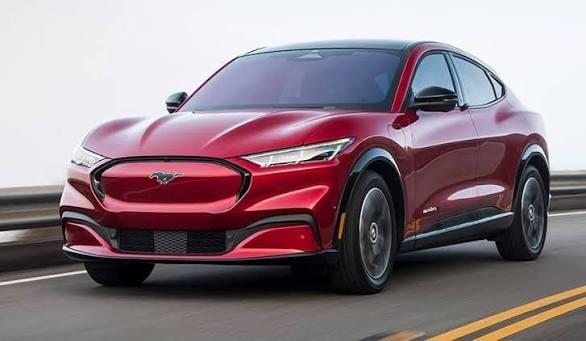








Imagine sliding into the driver’s seat of a brand-new vehicle that still has that crisp, factory-fresh smell. Furthermore, picture yourself enjoying the latest cutting-edge technology, top-tier safety features, and sleek modern styling. However, instead of being weighed down by a massive, long-term auto loan, you are paying a fraction of the cost each month.

Why Car Leasing Is Surging in Popularity
Car leasing has rapidly transformed from a niche corporate perk into one of the most popular ways for everyday drivers to get behind the wheel. Therefore, if you want to maximize your budget while minimizing your long-term responsibilities, learning how to leverage an auto lease is essential.
In this comprehensive guide, we will break down exactly how leasing works, why it might be your best financial move, and how to negotiate a deal that saves you thousands.
What Exactly Is a Car Lease?
To understand why this option is so compelling, we must first look at what a lease actually represents. Essentially, a car lease is a long-term rental agreement that typically lasts between 24 and 48 months. Instead of paying for the entire value of the vehicle, you are only paying for the portion of the car’s value that you use up during the lease term.
Understanding Depreciation Dynamics
When a new car leaves the dealership lot, its value immediately begins to decline. This drop in value is known as depreciation. Consequently, when you lease, your monthly payments are calculated based primarily on this expected loss of value, plus a small financing fee.
Because you are not buying the physical asset, your monthly financial commitment remains significantly lower than if you were financing a traditional purchase. As a result, you get to enjoy the prime years of a vehicle’s life without worrying about its eventual resale value.
The Financial Benefits of Leasing Over Buying
The most immediate and obvious advantage of choosing a car lease is the positive impact on your monthly cash flow. Because your payments are structured around depreciation rather than the total purchase price, lease payments are generally 30% to 50% lower than traditional loan payments for the exact same vehicle. Therefore, this financial breathing room allows you to either pocket the savings or upgrade to a more luxurious model that would otherwise be out of your budget.
Lower Down Payments
In addition to smaller monthly obligations, leasing usually requires a much lower upfront investment. While traditional vehicle financing often demands a hefty down payment to avoid being “underwater” on your loan, many lease deals require minimal cash down. In fact, some promotional offers feature zero-down sign-and-drive terms. This means you can keep your hard-earned savings sitting safely in your bank account or investment portfolio.
The Ultimate Maintenance Safety Net
Another massive benefit that drivers love is the comprehensive warranty coverage. Because most lease terms align perfectly with the manufacturer’s original three-year bumper-to-bumper warranty, almost all major mechanical issues are covered completely. Consequently, you will rarely have to pay out of pocket for unexpected repairs. Furthermore, many modern lease agreements even include complimentary routine maintenance, such as oil changes and tire rotations, for the entire duration of the contract.
Decoding the Critical Terms in a Lease Agreement
Before walking into a dealership, it is absolutely vital to understand the industry jargon. Salespeople frequently use complex terms to confuse buyers, but mastering these four concepts will instantly give you the upper hand during negotiations.
1. Capitalized Cost (Cap Cost)
First and foremost is the Gross Capitalized Cost, which is simply the agreed-upon selling price of the car. Many people incorrectly believe that you cannot negotiate the price of a leased vehicle. However, this is a costly mistake. You should always negotiate the cap cost down just as if you were buying the car outright, because a lower cap cost directly translates to a lower monthly payment.
2. Residual Value
Next is the residual value, which represents the estimated worth of the car at the exact moment your lease ends. This number is set by independent financial institutions, not the dealer, and is expressed as a percentage of the car’s original MSRP. For example, if a $40,000 car has a 60% residual value after three years, it is expected to be worth $24,000. Ultimately, you want a high residual value because it means the car retains its worth well, leaving less depreciation for you to pay for.
3. Money Factor
The money factor is essentially the interest rate of your lease, written in a confusing decimal format. To convert the money factor into a familiar annual percentage rate (APR), simply multiply it by 2400. For instance, a money factor of 0.0025 equals a 6% interest rate. Naturally, ensuring you have a strong credit score is the most effective way to secure the lowest possible money factor.
4. Mileage Allowance
Every standard lease agreement comes with a predetermined mileage limit, usually ranging from 10,000 to 15,000 miles per year. If you exceed this limit, you will face an extra charge per mile when you return the vehicle. Therefore, it is crucial to accurately calculate your driving habits before signing, or look into purchasing extra miles upfront at a heavily discounted rate.
How to Calculate a Lease Payment
| Component | Description | Financial Impact |
| Depreciation Charge | (Net Cap Cost – Residual Value) / Months | The core cost of using the car |
| Finance Fee (Interest) | (Net Cap Cost + Residual Value) x Money Factor | The cost of borrowing the vehicle |
| Taxes & Fees | Local sales tax applied to monthly payments | Varies by state and municipality |
Step-by-Step Guide to Scoring the Best Lease Deal
Securing an exceptional deal requires a strategic approach. Follow this proven sequence to ensure you maximize your savings.
Essential Pitfalls to Avoid
While leasing offers incredible flexibility, certain mistakes can quickly turn a great situation into a financial headache. Being aware of these pitfalls ahead of time will keep you completely protected.
Never Put Too Much Money Down: If your leased vehicle is stolen or completely totaled in an accident during the first few months, insurance pays the leasing company, not you. Consequently, any massive down payment you made upfront will be permanently lost. It is always safest to put down as close to zero dollars as possible.
Watch Your Wear and Tear
Additionally, you must remember that you do not own the car. While normal daily usage is expected, excessive scratches, dents, or interior stains will result in penalty fees when you return the keys. If you know you are tough on vehicles, or if you frequently transport pets and muddy outdoor gear, investing in a minor interior protection plan might save you money in the long run.
The Cost of Early Termination
Finally, breaking a lease early can be incredibly expensive. If your lifestyle changes dramatically and you suddenly need to get out of your contract, the early termination fees can equal thousands of dollars. Fortunately, if you find yourself in this situation, you can utilize online lease-transfer platforms to safely hand off your remaining payments to another qualified driver without incurring severe penalties.
What Happens When the Lease Ends?
One of the most liberating aspects of a car lease is the seamless transition at the end of the contract. Generally, you have three distinct paths to choose from when your time is up.
Walk Away and Upgrade: You can simply return the keys, pay a small disposition fee, and drive away in a brand-new model with the latest technology.
Buy the Car: If you have fallen in love with the vehicle and it has proven to be perfectly reliable, you can purchase it outright for the exact residual value stated in your original contract.
Trade It In for Equity: Occasionally, market conditions cause a car to be worth more than its predicted residual value. If this happens, you can trade the vehicle in and use that positive equity as a down payment on your next lease.
Is a Car Lease Right for You?
Ultimately, choosing to lease a car depends entirely on your personal priorities and financial goals. If you love driving the newest models, prefer predictable monthly expenses, and despise dealing with out-of-warranty mechanical repairs, leasing is an incredibly rewarding strategy. By understanding the core terminology, avoiding unnecessary down payments, and negotiating the vehicle price upfront, you can enjoy all the luxuries of a brand-new vehicle while keeping your monthly expenses remarkably low.
Now that you know the inside secrets to navigating the dealership landscape, you are fully equipped to secure a spectacular deal that fits your life perfectly.