








Few sights cause an immediate sinking feeling in a driver’s stomach quite like the glow of a check engine light (CEL). Officially known as the Malfunction Indicator Lamp (MIL), this dashboard warning is your vehicle’s way of telling you that the On-Board Diagnostics (OBD-II) system has detected a glitch in the powertrain.
However, seeing this light does not always mean your engine is on the verge of exploding. Sometimes, it is triggered by a loose gas cap or a temporary sensor anomaly. Consequently, learning how to reset your check engine light can save you time and money. In this comprehensive, SEO-optimized guide, we will break down the safest methods to clear the light, examine why it turned on, and ensure you maintain readability and structure throughout the process.
Why Is My Check Engine Light On?
Before attempting to clear any codes, it is critical to understand that the light is merely a symptom, not the root disease. If you reset the light without fixing the underlying malfunction, your car’s computer will simply detect the issue again and illuminate the warning within a few miles.
Common Triggers for the Check Engine Light
Loose or Faulty Gas Cap: This is the most common and least expensive issue. A loose cap disrupts the sealed evaporative emissions (EVAP) system.
Failing Oxygen Sensor (O2 Sensor): These sensors monitor the unburned oxygen levels in the exhaust. If they fail, your car will burn too much fuel.
Bad Catalytic Converter: This component converts harmful gases into safer emissions. It usually fails due to neglected spark plugs or O2 sensors.
Mass Airflow Sensor (MAF) Failure: The MAF measures the amount of air entering the engine to determine the correct fuel ratio.
Worn Spark Plugs and Wires: Failing spark plugs can cause engine misfires, which triggers an immediate warning light.
Method 1: The Professional Way (Using an OBD-II Scanner)
The absolute safest, cleanest, and most modern method to reset a check engine light is by using a handheld OBD-II code reader. Therefore, this should always be your first choice.
1.Locate the OBD-II Port:Under the driver’s side dash.
Method 2: The Battery Disconnect Technique
If you do not own an OBD-II scanner, you can force the Engine Control Unit (ECU) to reset by completely draining its backup power supply. However, please note that this method will also erase your radio presets, clock settings, and seat memory positions.
Step 1: Safety First
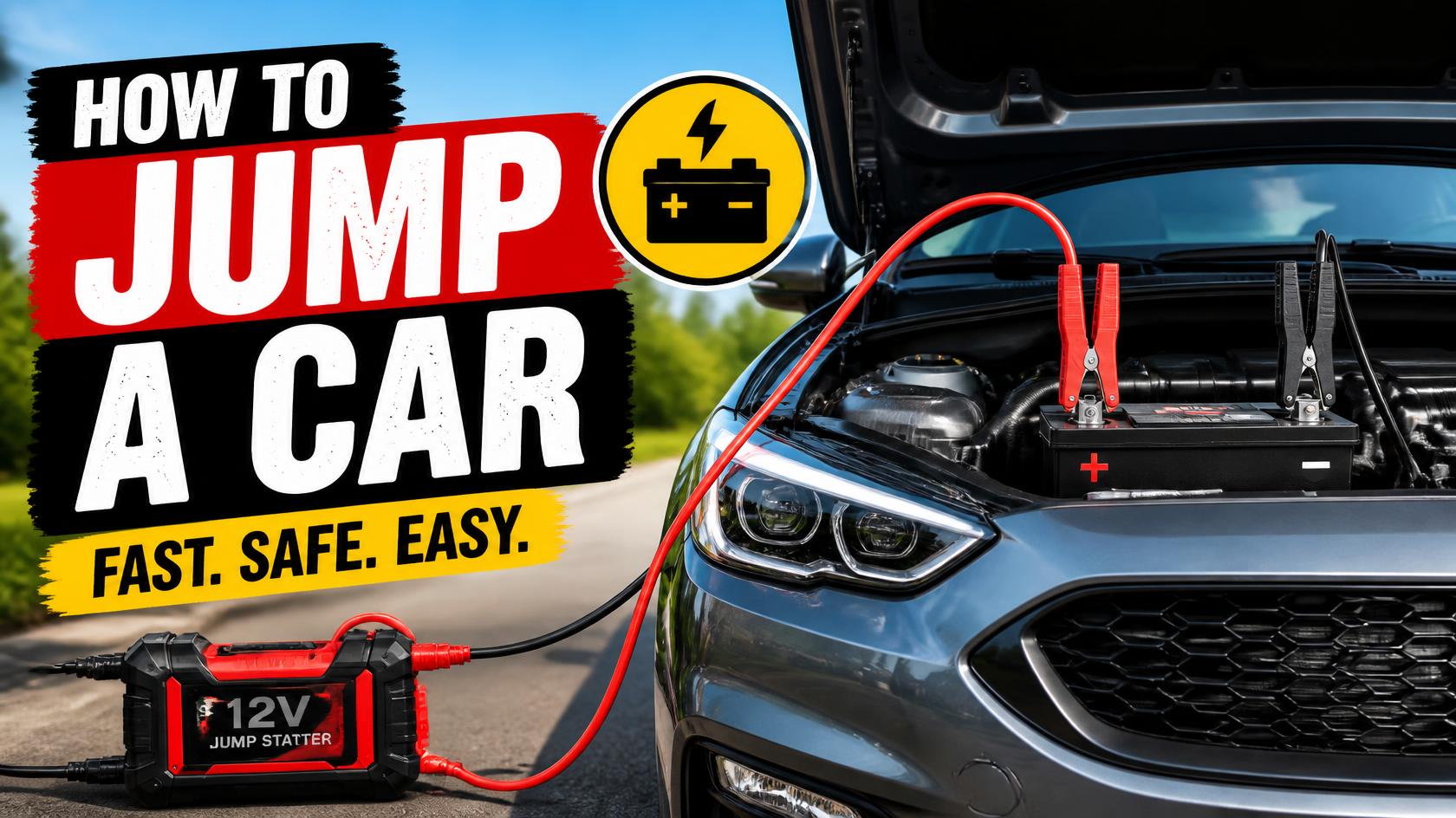
First, park your vehicle on a flat surface, engage the parking brake, and turn off the ignition. Pop the hood and locate the vehicle’s battery. You should always wear safety glasses and protective gloves before working around automotive batteries to avoid acid exposure.
Step 2: Remove the Negative Terminal
Next, locate the negative battery terminal, which is marked with a minus (-) symbol and usually covered by a black cap. Use a socket wrench (typically 10mm or 12mm) to loosen the nut securing the terminal cable clamp. Carefully slide the clamp off the post and tuck it away so it cannot accidentally spring back and touch the metal battery terminal.
Step 3: Drain Residual Power
After removing the cable, get inside the vehicle and press down hard on the brake pedal for roughly 30 seconds. Alternatively, you can turn on the headlight switch. Because the battery is disconnected, doing this will completely deplete any residual electrical energy stored inside the ECU’s capacitors.
Step 4: Reconnect and Test
Finally, wait roughly 15 minutes to guarantee a deep reset. Slide the negative cable clamp back onto the negative battery post and tighten the nut securely with your wrench. Close the hood, start your car, and verify if the check engine light has successfully vanished from the cluster.
Method 3: The Ignition Key Cycling Loop
For certain vehicle models, particularly older domestic brands, you can cycle the computer system without disconnecting the physical battery wires. This trick reboots the module’s active monitoring cycles.
Step-by-Step Cycling Guide
Insert the Key: Place your vehicle key completely into the ignition cylinder.
Cycle to On: Turn the key forward to the ‘On’ position for three seconds. Do not crank the starter.
Cycle to Off: Turn the key back to the ‘Off’ position for another three seconds.
Repeat the Loop: Perform this exact cycle three to five times consecutively.
Drive the Vehicle: Start the engine normally and observe if the dashboard warning clears itself during idle.
Understanding the Drive Cycle and State Emissions Testing
After you successfully execute a manual reset, your work is still not completely finished. Your car’s computer enters a state known as “Not Ready.”
Important Warning: Do not reset your check engine light right before a state emissions inspection. The testing facility’s computer will immediately detect the cleared readiness monitors and automatically fail your vehicle.
To pass an inspection, you must complete an automotive “Drive Cycle.” This requires driving your vehicle under varied conditions so the computer can re-test its own sensors.
Standard Drive Cycle Requirements
| Phase | Driving Conditions | Target Duration |
| Cold Start | Allow engine to idle with AC/Defroster running | 2 to 3 Minutes |
| City Driving | Stop-and-go traffic accelerating up to 35 mph | 10 Minutes |
| Highway Cruising | Maintain a steady 55 to 60 mph speed smoothly | 15 Minutes |
| Deceleration | Coast down to a stop without pressing the brake | Varies |
Generally, completing a mix of these driving scenarios over a distance of 50 to 100 miles will restore the system readiness monitors to their correct operational state.
When You Should Never Reset the Light
While resetting the warning light is an excellent troubleshooting step, there are moments when forcing a reset is outright dangerous to your vehicle’s mechanical health.
The Danger of a Flashing Check Engine Light
If your check engine light is blinking rapidly rather than staying solid, you must pull over safely and turn off the engine immediately. A flashing light indicates a severe engine misfire condition. When this occurs, unburned raw fuel is dumped directly into your hot catalytic converter, which can rapidly melt the internal components and spark a catastrophic exhaust fire.
Consequently, you should never attempt to reset a flashing light. Instead, arrange for a tow truck to bring the vehicle directly to a certified mechanic for a deep engine diagnosis.