




Introduction
The automotive industry is one of the most influential sectors in the global economy. Millions of vehicles are produced every year, and automobile manufacturers continue to shape transportation, technology, and economic growth worldwide. When people search for the “biggest automobile manufacturers in the world,” they often want to know which companies dominate the market, how they became industry leaders, and what makes them successful.
Understanding the largest automobile manufacturers is important for consumers, investors, automotive enthusiasts, and business professionals. These companies not only produce millions of vehicles annually but also drive innovation in electric vehicles, autonomous driving technologies, and sustainable transportation solutions.
This article explores the biggest automobile manufacturers in the world, their history, their impact on the industry, and what consumers can learn from their success.
The Key Question: Who Are the Biggest Automobile Manufacturers in the World?
The primary question many people ask is simple: which automobile manufacturers are the largest?
The answer depends on several factors, including:
- Annual vehicle production
- Global sales volume
- Revenue generation
- Market capitalization
- International presence
- Brand portfolio
While rankings may change slightly from year to year, several manufacturers consistently remain at the top due to their enormous production capabilities and global reach.
Some of the world’s largest automobile manufacturers include:
- Toyota Motor Corporation
- Volkswagen Group
- Hyundai Motor Group
- General Motors
- Ford Motor Company
- Stellantis
- Honda Motor Company
- Nissan Motor Company
- BMW Group
- Mercedes-Benz Group
These companies produce millions of vehicles annually and operate in markets across the globe.
Understanding the Growth of the Global Automotive Industry
To understand why certain manufacturers dominate the industry, it is helpful to look at the evolution of automobile manufacturing.
The automotive industry began in the late nineteenth century with small-scale vehicle production. Over time, innovations such as assembly-line manufacturing revolutionized production efficiency.
During the twentieth century, automobile ownership became increasingly common, especially in North America, Europe, and Japan. As consumer demand grew, manufacturers expanded production facilities and developed extensive dealer networks worldwide.
Today, the industry has transformed into a highly competitive global market characterized by:
- Advanced manufacturing systems
- Global supply chains
- Electric vehicle development
- Connected vehicle technologies
- Sustainable production initiatives
Large manufacturers have succeeded because they continuously adapt to changing consumer preferences and technological advancements.
Toyota Motor Corporation: The Industry Leader

Toyota is widely recognized as one of the largest and most successful automobile manufacturers in the world.
Founded in Japan in 1937, Toyota built its reputation through quality, reliability, and manufacturing efficiency. The company’s Toyota Production System became a model for manufacturers worldwide.
Popular Toyota vehicles include:
- Corolla
- Camry
- RAV4
- Land Cruiser
- Hilux
Toyota also owns luxury and specialty brands such as Lexus.
One of Toyota’s greatest strengths is its ability to produce vehicles that appeal to a wide range of consumers. Whether customers seek fuel efficiency, durability, family transportation, or luxury, Toyota offers suitable options.
Additionally, Toyota has invested heavily in hybrid technology and continues to expand its electric vehicle offerings.
Volkswagen Group: A Global Automotive Powerhouse
Volkswagen Group is another giant in the automotive world.
Based in Germany, Volkswagen controls an impressive portfolio of brands, including:
- Volkswagen
- Audi
- Porsche
- Bentley
- Lamborghini
- Skoda
- SEAT
- Bugatti (historically associated)
- Volkswagen Commercial Vehicles
This diverse collection of brands allows Volkswagen Group to serve nearly every segment of the market, from affordable family vehicles to ultra-luxury sports cars.
Volkswagen’s strength lies in its global manufacturing network and its ability to share technologies across multiple brands, reducing costs while maintaining quality.
The company is also investing billions of dollars in electric vehicle development to remain competitive in the future transportation market.
Hyundai Motor Group: Rapid Growth and Innovation
South Korea’s Hyundai Motor Group has experienced remarkable growth over the past few decades.
The group includes:
- Hyundai
- Kia
- Genesis
Initially known for producing affordable vehicles, Hyundai has evolved into a global competitor known for quality, technology, and value.
The introduction of Genesis as a luxury brand further strengthened Hyundai’s position in the premium market.
Modern Hyundai and Kia vehicles frequently receive high ratings for:
- Safety
- Reliability
- Fuel efficiency
- Technology integration
The company’s aggressive investment in electric vehicles has also contributed to its growing global influence.
General Motors: An American Automotive Icon
General Motors, often referred to as GM, remains one of the largest automobile manufacturers in the world.
Founded in 1908, GM owns several major brands, including:
- Chevrolet
- GMC
- Cadillac
- Buick
For decades, General Motors dominated vehicle sales in North America and played a major role in shaping modern automotive manufacturing.
Today, GM focuses heavily on:
- Electric vehicle development
- Autonomous driving research
- Advanced battery technology
The company’s commitment to innovation continues to strengthen its position in the competitive global marketplace.
Ford Motor Company: A Legacy of Innovation
Ford Motor Company is one of the most recognizable names in automotive history.
Founded by Henry Ford in 1903, the company revolutionized manufacturing through the introduction of the moving assembly line.
Ford’s most popular vehicles include:
- F-Series trucks
- Mustang
- Explorer
- Bronco
Ford remains particularly strong in the truck and SUV segments, especially in North America.
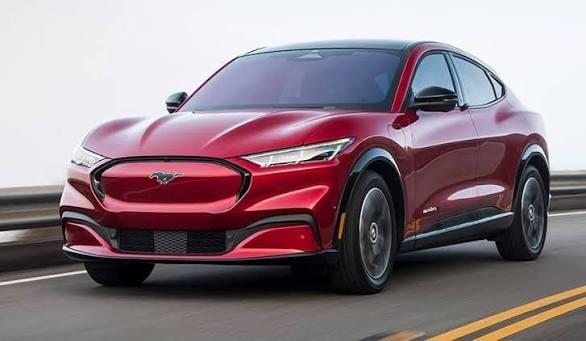
The company has also entered the electric vehicle market with products such as the Mustang Mach-E and electric F-150 Lightning.
Ford’s ability to blend tradition with innovation helps maintain its position among the world’s largest automobile manufacturers.
Stellantis: A Global Automotive Giant

Stellantis emerged through the merger of Fiat Chrysler Automobiles and PSA Group.
The company now controls numerous well-known brands, including:
- Jeep
- Dodge
- Chrysler
- Ram
- Fiat
- Peugeot
- Citroën
- Opel
- Maserati
- Alfa Romeo
This extensive brand portfolio provides Stellantis with a significant global presence.
Its strategy focuses on sharing platforms, technologies, and resources across brands while preserving each brand’s unique identity.
The company is investing heavily in electrification and sustainable mobility solutions.
Honda and Nissan: Japan’s Automotive Strength
Japan remains one of the world’s leading automotive nations, and Honda and Nissan are major contributors.
Honda
Honda is known for producing:
- Reliable passenger cars
- Motorcycles
- Power equipment
Popular models include:
- Civic
- Accord
- CR-V
Honda’s reputation for engineering excellence and fuel efficiency continues to attract customers worldwide.
Nissan
Nissan has established itself as a major global manufacturer through vehicles such as:
- Altima
- Sentra
- Rogue
- Patrol
The company was also among the early pioneers of electric vehicles with the Nissan Leaf, one of the world’s first mass-market electric cars.
Luxury Automobile Manufacturers with Global Influence
While luxury manufacturers may produce fewer vehicles than mass-market brands, they still rank among the most influential automotive companies.
BMW Group
BMW produces premium vehicles under:
- BMW
- MINI
- Rolls-Royce
The company is known for performance, luxury, and engineering excellence.
Mercedes-Benz Group
Mercedes-Benz has long been associated with luxury, innovation, and prestige.
The company continues to introduce advanced technologies in areas such as:
- Safety systems
- Electric vehicles
- Autonomous driving assistance
Luxury manufacturers often pioneer technologies that eventually become standard across the industry.
Why Size Matters in the Automotive Industry
Being one of the biggest automobile manufacturers provides several advantages.
Economies of Scale
Large manufacturers can reduce production costs through high-volume manufacturing.
Research and Development
Major companies invest billions in developing new technologies.
Global Distribution
Large manufacturers maintain extensive dealer and service networks worldwide.
Brand Recognition
Well-established brands enjoy greater consumer trust and loyalty.
Financial Stability
Large companies are generally better positioned to navigate economic challenges and industry disruptions.
These advantages help explain why a small number of manufacturers continue to dominate the global automotive market.
The Future of the Biggest Automobile Manufacturers
The automotive industry is undergoing significant transformation.
Several trends are shaping the future:
Electric Vehicles
Governments and consumers increasingly favor environmentally friendly transportation.
Autonomous Driving
Manufacturers are investing heavily in self-driving technologies.
Connectivity
Modern vehicles are becoming increasingly connected through software and internet-based services.
Sustainability
Companies are reducing emissions throughout their manufacturing processes.
Artificial Intelligence
AI is improving safety, vehicle performance, and customer experiences.
The manufacturers that successfully adapt to these trends are likely to remain industry leaders in the coming decades.
Advice for Consumers
If you are considering purchasing a vehicle, understanding the world’s biggest automobile manufacturers can help you make informed decisions.
Consider the following factors:
- Reliability ratings
- Safety performance
- Resale value
- Maintenance costs
- Warranty coverage
- Fuel efficiency
- Electric vehicle availability
Large manufacturers often provide stronger support networks, greater parts availability, and proven reliability records.
However, the best vehicle ultimately depends on your specific needs, budget, and driving preferences.
Conclusion
The biggest automobile manufacturers in the world have earned their positions through decades of innovation, quality, efficiency, and global expansion. Companies such as Toyota, Volkswagen, Hyundai, General Motors, Ford, Stellantis, Honda, Nissan, BMW, and Mercedes-Benz continue to shape the future of transportation.
Their influence extends far beyond vehicle production. These automotive giants drive technological advancements, create millions of jobs, and invest heavily in the future of mobility. As the industry transitions toward electric vehicles, connected technologies, and sustainable manufacturing, these manufacturers will remain at the center of global transportation innovation.
For consumers, understanding the strengths and strategies of these companies provides valuable insight when choosing a vehicle or following developments in the automotive world. The largest manufacturers have achieved their success through continuous adaptation, and their future innovations will continue to transform how people travel around the globe.