






Winter weather can turn an ordinary morning commute into a stressful, high-stakes driving challenge. For drivers living in cold regions, having a dependable vehicle is a matter of safety rather than luxury. When freezing temperatures arrive, selecting an automobile that handles ice, slush, and heavy accumulation becomes crucial.
This guide breaks down exactly what makes a vehicle winter-hardy. It will analyze the best drivetrains, detail essential safety features, and reveal top vehicle picks for the year. This comprehensive analysis will give you everything you need to choose the perfect winter machine.
1. The Core Engineering: AWD vs. 4WD
Many car shoppers assume that All-Wheel Drive (AWD) and Four-Wheel Drive (4WD) are identical terms. However, these systems function differently, and understanding those differences will keep you from getting stuck.
All-Wheel Drive (AWD)
AWD systems operate automatically without any input from the driver. The vehicle monitors road conditions constantly. If a front wheel slips on a patch of black ice, the system immediately sends power to the rear wheels to stabilize the chassis.
Modern intelligent AWD setups are standard on crossover vehicles and sedans. They excel on plowed roads, slick highways, and changing surfaces where ice and dry asphalt alternate frequently.
Four-Wheel Drive (4WD)
4WD is a robust, driver-activated system designed for deep snow, unplowed trails, and rugged terrains. When you engage 4WD, the system locks the front and rear axles together. This ensures that all four wheels turn at the exact same speed.
While 4WD provides maximum mechanical traction through heavy drifts, it lacks the agility of AWD on treated highways. Turning tightly on dry pavement with 4WD engaged can cause the drivetrain to bind and wear out prematurely.
2. Essential Design Metrics for Snow
Beyond the drivetrain, specific physical measurements dictate how well a vehicle will handle winter road hazards.
Ground Clearance: You need a vehicle that can clear snowpacks without turning the underbody into a plow. A minimum clearance of 8.0 inches is ideal for heavy winter regions. If your vehicle rides too low, snow will pack under the chassis, lift the tires off the ground, and strand you.
Weight Distribution: A well-balanced vehicle maintains better contact with the road surface. Vehicles with heavy front ends and light rear ends, like empty pickup trucks, often lose rear traction. Adding weight over the drive wheels helps stabilize the rear axle.
Thermal and Vision Technology: High-end winter vehicles feature heated side mirrors, wiper de-icers, and steering wheels. These amenities ensure that your visibility remains clear, preventing ice from bonding to your wiper blades during a storm.
3. Top Vehicle Picks for the Winter Season
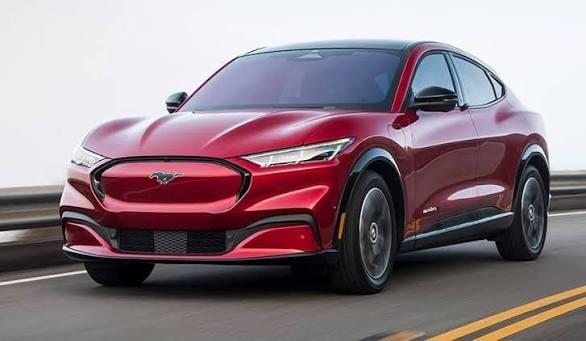
The automotive market offers several standout options that excel in freezing conditions. The following options combine high ground clearance, advanced traction software, and cold-weather comfort.
The All-Weather Champions
4. Active Safety Features to Look For
Modern driver-assist suites have revolutionized winter driving safety. Look for these specific technologies when shopping for your next automobile:
Electronic Stability Control (ESC)
ESC works closely with your brakes to prevent skidding. If sensors detect that the car is spinning out or drifting wide around a snowy corner, ESC applies individual brakes instantly. This system corrects the vehicle’s trajectory before human reflexes can even respond.
Adaptive Cruise Control with Snow Logic
Standard cruise control should never be used on slippery roads because it can cause hydroplaning. However, advanced winter-tuned adaptive systems monitor the distance to the car ahead. They apply gentle, gradual deceleration to prevent sudden lockups on ice.
Dedicated Snow Modes
Many modern crossovers feature a dashboard button labeled “Snow.” Engaging this mode changes how the vehicle behaves. It forces the transmission to start in second gear, reducing wheel spin from a dead stop. Additionally, it dampens throttle response to prevent sudden bursts of power from breaking tire traction.
5. The Ultimate Truth: Tires Matter Most
An advanced AWD system is only as good as the rubber making contact with the pavement. Many drivers believe that All-Season tires are sufficient for harsh winters, but this is a dangerous misconception.
+-------------------------------------------------------------------+
|                     TIRE PERFORMANCE TEMPERATURES                 |
|                                                                   |
| All-Season Tires:   [ Soft & Grippy ] ---> Hardens below 45°F     |
| Winter/Snow Tires:  [ Stays Flexible & Soft down to sub-zero ]   |
+-------------------------------------------------------------------+
The 45°F (7°C) Rule: The rubber compound in all-season tires hardens significantly when temperatures drop below 45°F. This hardening turns your tires slick, drastically reducing traction even on completely dry pavement.
In contrast, dedicated winter tires utilize a specialized compound that remains soft and pliable in sub-zero temperatures. They feature deep tread depths and hundreds of tiny cuts called “sipes.” These sipes open up to bite into packed snow and channel away thin layers of water on ice. Installing a set of winter tires on a standard front-wheel-drive sedan will often outperform an all-wheel-drive vehicle equipped with regular all-season tires.
6. Real-World Driving Tips for Cold Conditions
Owning the right automobile is only half the battle; you must also adapt your driving technique to match the environment.
Increase Following Distances: Stopping distances can multiply by up to ten times on icy roads. Leave at least three times more space between your car and the vehicle ahead than you would on a clear summer day.
Brake Before the Turn: Always complete your braking while driving in a straight line before you enter a curve. Applying the brakes while turning places a dual demand on your tires, increasing the risk of a slide.
Accelerate and Decelerate Gradually: Treat every control on your vehicle with extreme gentleness. Sudden changes in speed or direction will instantly break your tires’ mechanical grip on slick surfaces.
7. Final Checklist for Winter Vehicle Buyers
Before finalizing your vehicle purchase, run through this quick evaluation checklist to guarantee peak performance in the snow:
Does the vehicle offer at least 8 inches of ground clearance?
Is the AWD or 4WD system paired with an electronic limited-slip differential?
Does the vehicle include heated mirrors and an integrated windshield wiper de-icer?
Have you budgeted for a secondary set of dedicated winter tires?
Choosing the right automobile requires evaluating your local environment carefully. If you face plowed city streets, an efficient AWD crossover or sedan will serve you perfectly. However, if you regularly navigate unplowed mountain passes, investing in a high-clearance 4WD system is the smartest choice. Prioritize traction engineering over cosmetic style, pair your choice with premium winter tires, and you will navigate the coldest months with complete confidence.