







Introduction
How Long Does a Car Battery Last? For most drivers in the USA, a typical car battery lasts about 3 to 5 years. However, battery life can vary based on several factors. Climate, driving habits, vehicle type, and regular maintenance all affect how long a battery can perform reliably.
Extreme temperatures can shorten battery life. Hot summers can increase battery wear, while freezing winter conditions can make a weak battery harder to start. Frequent short trips may also prevent the battery from fully recharging. Modern vehicles with advanced electronics can place additional demands on the battery.
Knowing your car battery’s age is important for preventing unexpected breakdowns. A battery that is several years old may fail without much warning. Checking its condition during routine vehicle maintenance can help you plan a replacement before you get stranded.
Common warning signs include slow engine cranking, dim headlights, electrical problems, and clicking when starting the engine. Corrosion around the terminals can also indicate a problem. Learning these signs and following basic battery maintenance tips can help extend battery life and improve reliability. In this guide, you will learn how long Vehicles batteries typically last, what affects their lifespan, when to replace them, and how to choose the right replacement for your vehicle.
How Long Does a Car Battery Last?
A typical car battery lasts about 3 to 5 years in the United States. With proper care and regular maintenance, some batteries may last longer. However, battery lifespan varies by vehicle, battery type, driving habits, and electrical demands. Climate also plays a major role. Extreme heat can accelerate battery wear, while freezing temperatures can reduce starting power. Frequent short tour may also shorten battery life because the alternator may not have enough time to fully recharge the battery. Regular longer drives, proper maintenance, and checking the charging system can help extend battery performance and reduce the risk of unexpected breakdowns.
What Factors Affect Car Battery Life?
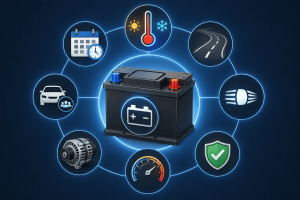
Several factors can affect car battery life in the USA. Climate, driving habits, electrical demands, and battery type all matter.
Climate and Temperature
Extreme heat can damage battery components and shorten lifespan. Cold weather reduces battery power and makes engine starting harder.
Driving Habits
Frequent short trips may not fully recharge the battery. Long periods without driving can also cause discharge. Regular driving helps maintain proper battery charge.
Vehicle Electrical Systems
Lights, infotainment, alarms, and other features can increase electrical demand. Excessive loads may drain the battery, especially in modern vehicles with advanced systems.
Battery Type and Quality
Conventional lead-acid and AGM batteries have different designs and uses. Some vehicles require a specific battery type. Always follow the vehicle manufacturer’s specifications.
Signs Your Car Battery Needs Replacement
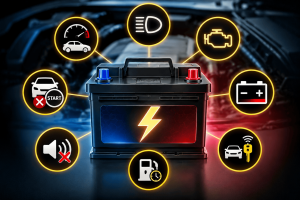
Knowing the signs of a weak car battery can help prevent an unexpected breakdown. Slow engine cranking is often an early warning that the battery is losing power. Dim headlights may also indicate low battery performance. If you hear a clicking sound when starting your vehicle, the battery may not have enough charge. Poorly working electrical accessories, such as power windows or the radio, can signal battery trouble. A battery warning light on the dashboard should not be ignored. Look for corrosion around battery terminals or a swollen battery case. Frequent jump-starts are another clear sign that replacement may be needed.
How to Check Your Car Battery Health
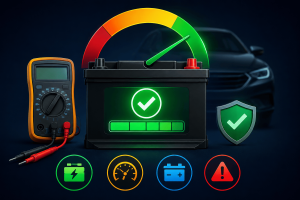
Check the Battery Age
Start by finding the battery date code or installation date. Most car batteries last about 3 to 5 years. An older battery deserves closer attention, especially before extreme U.S. weather.
Inspect the Battery
Check the battery for corrosion, cracks, swelling, or other physical damage. Inspect the terminals and cable connections to ensure they are clean and secure. Never ignore a swollen or leaking battery. Replace it promptly for safety.
Test the Battery
A battery load test measures how well the battery performs under electrical demand. Many auto parts stores offer free or low-cost battery testing. If your car has slow starts or battery performance seems uncertain, professional testing can confirm whether replacement is needed.
How to Extend Car Battery Life
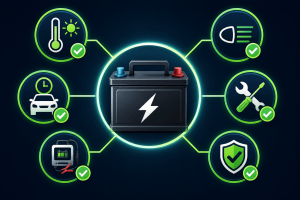
Learning how to extend car battery life can help prevent unexpected breakdowns and costly repairs. Start by keeping the battery terminals clean and free from corrosion. Make sure the battery connections are tight and secure. Avoid leaving headlights, interior lights, chargers, or other accessories running when the engine is off. Drive your vehicle regularly, especially if it often sits unused. During routine maintenance, check the battery and inspect it for damage, leaks, or corrosion. Have the charging system tested to ensure the alternator is working properly. In hot or cold U.S. climates, regular battery checks are especially important. Finally, replace a weak or aging battery before it completely fails. These simple steps can improve reliability and help your car start consistently.
Essential Car Safety Maintenance Tips Every Driver Should Know
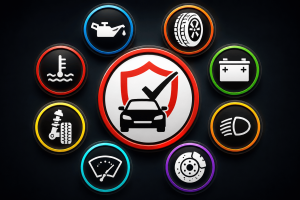
Regular car maintenance helps prevent breakdowns and keeps you safer on U.S. roads. Start by checking the battery and charging system regularly, especially before extreme summer or winter driving. Inspect your tires and maintain the recommended tire pressure for better handling and fuel economy. Check engine oil, coolant, brake fluid, and other important fluids as needed. Test headlights, brake lights, and turn signals to stay visible. Inspect brake pads and watch for changes in braking performance. Replace worn windshield wipers for clear visibility during rain or snow. Before long trips, check emergency equipment, including a spare tire and roadside safety gear. Follow the manufacturer’s maintenance schedule, and address dashboard warning lights promptly.
How Weather Affects Car Battery Performance
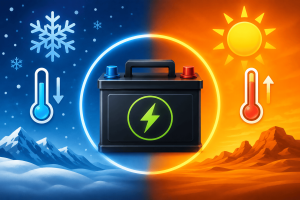
Car Batteries in Hot Weather
Hot weather can shorten car battery life. High temperatures speed up chemical reactions inside the battery. This can cause faster fluid loss, corrosion, and internal damage. Drivers in hot U.S. states should schedule regular battery inspections. Check the battery terminals, cables, and overall condition. Proper maintenance can help prevent unexpected starting problems.
Car Batteries in Cold Weather
Cold weather reduces the amount of power a car battery can provide. Engine oil also becomes thicker, making the engine harder to start. A weak battery may struggle to deliver enough power during winter. This is why older batteries often fail during freezing temperatures. Before winter, have your battery tested and inspect the charging system. Replacing a weak battery early can help prevent roadside breakdowns.
How Long Does a Car Battery Last in Different Vehicles?
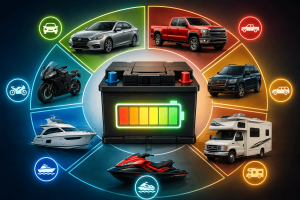
How Long Does a Car Battery Last? It depends on the vehicle and its electrical demands. Cars and sedans often use standard batteries designed for everyday driving. SUVs may need larger batteries because they power more accessories and equipment. Pickup trucks can require higher-capacity batteries, especially when used for towing or heavy-duty work. Hybrid vehicles use specialized battery systems and may have different maintenance needs. Vehicles with start-stop systems often require AGM or enhanced flooded batteries that handle frequent engine cycling. Cars with high electrical demand, including luxury models, may also need stronger batteries. Climate, driving habits, and maintenance affect battery life across all vehicle types. Checking the manufacturer’s recommended battery size, CCA, and type helps ensure reliable starting and proper vehicle performance.
When Should You Replace Your Car Battery?
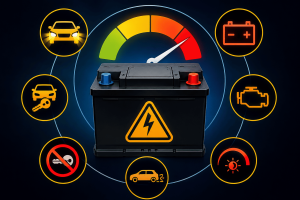
Most car batteries should be replaced after about 3 to 5 years, but lifespan varies by driving conditions and climate. Consider replacing your battery sooner if you notice slow engine cranking, dim headlights, electrical issues, or frequent starting problems. A professional battery test can show whether the battery still holds a proper charge. Always check your vehicle manufacturer’s recommendations for the correct replacement schedule and battery type. However, do not replace a battery based on age alone. If your battery is within its expected lifespan and tests healthy, it may continue working reliably. Regular testing can help prevent unexpected breakdowns.
Car Battery Replacement Cost in the USA
Car battery replacement cost in the USA varies by battery type, vehicle, and installation needs. Conventional lead-acid batteries are usually more affordable than AGM batteries, which offer better performance and durability for many modern vehicles. Labor and installation costs can also increase the total replacement price. Some vehicles require specific battery sizes, power ratings, or advanced battery technology, which can affect pricing. Before replacing your battery, check your vehicle manufacturer’s requirements and compare prices from trusted retailers or repair shops. Also, review warranty coverage, including replacement terms and warranty length. Choosing the right battery can help prevent future starting problems and unexpected expenses.
How to Choose the Right Car Battery
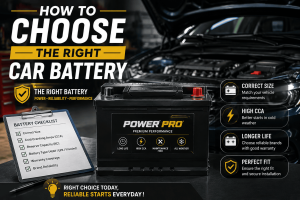
Choosing the right car battery helps ensure reliable starts and consistent electrical performance. Start by checking the battery group size recommended for your vehicle. The correct fit is essential for safe installation.
Next, check Cold Cranking Amps (CCA). Higher CCA can improve starting performance in colder climates. Also, review the battery’s reserve capacity (RC). It shows how long the battery can support electrical systems if the alternator stops working.
Finally, choose the correct battery type. Conventional lead-acid batteries suit many vehicles, while AGM batteries work well for vehicles with high electrical demands. Always follow the manufacturer’s specifications.
Frequently Asked Questions
How long does a car battery usually last?
Most car batteries last 3 to 5 years. Climate, driving habits, and maintenance can affect battery life.
Can a car battery last 7 years?
Yes, but 7 years is not typical. Good maintenance and mild conditions may help a battery last longer.
How do I know when my car battery is dying?
Common signs include:
- Slow engine cranking
- Dim headlights
- Clicking when starting
- Battery warning light
- Electrical problems
- Frequent jump-starts
Does driving help charge a car battery?
Yes. The alternator charges the battery while you drive. Longer drives can help maintain the battery better than frequent short trips.
Can extreme heat shorten battery life?
Yes. High temperatures can speed up battery wear. Extreme heat can reduce battery performance and shorten its lifespan.
Can cold weather kill a car battery?
Cold weather can make starting harder. It often exposes a weak or aging battery that was already losing power.
How often should I replace my car battery?
Check the battery’s age, condition, test results, and vehicle requirements. Many batteries need replacement after about 3–5 years.
Should I replace my car battery before it dies?
Yes, especially if the battery is several years old or shows warning signs. Preventive replacement can help prevent unexpected breakdowns.
Final Verdict: How Long Does a Car Battery Last?
A typical car battery lasts about 3 to 5 years, but its lifespan can vary. Extreme heat and cold can shorten battery life. Frequent short trips and heavy electrical use can also affect performance.
Drivers should watch for warning signs, such as slow engine cranking, dim headlights, dashboard battery warnings, or difficulty starting the vehicle. Regular battery testing can help identify problems before the battery fails. It is also smart to have the charging system tested during routine maintenance.
When replacement is needed, choose a battery that matches your vehicle’s requirements. Check the correct group size, CCA rating, battery type, and capacity. Always follow the specifications listed by the vehicle manufacturer.
Knowing how long a car battery lasts can help you plan replacement before trouble starts. Do not wait for a dead battery to become a roadside emergency.