








A dead car battery can leave you stuck in your driveway, parking lot, or even on the side of the road. It usually happens when the battery does not have enough power to start the engine. Common causes include leaving the lights on, extreme temperatures, an old battery, or a charging-system problem. Knowing how to jump a car can help you get back on the road when the battery is weak but the vehicle itself is otherwise in working condition.
A jump-start uses power from another vehicle or a portable jump starter to provide enough energy to crank the engine. It can be useful when you hear clicking sounds, notice dim dashboard lights, or find that the engine will not turn over. However, a jump-start is not a permanent fix for a failing battery or electrical problem.
Safety should always come first. Before connecting jumper cables, park both vehicles safely, turn off the engines, and keep the cables away from moving parts. Always follow your vehicle owner’s manual because connection points can vary.
Modern cars may also have dedicated positive and negative jump-start terminals under the hood. Some vehicles have batteries located in the trunk or another area. Using the correct terminals and proper procedure can help prevent electrical damage and injury.
What Does It Mean to Jump a Car?
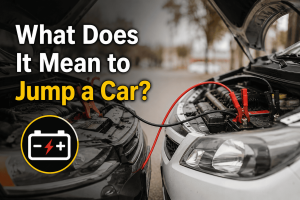
To jump a car means using another power source to start a vehicle with a weak or dead battery. A jump-start temporarily supplies electrical power so the starter can crank the engine. Usually, jumper cables connect the dead battery to a fully charged battery in another running vehicle. Power flows from the working battery through the cables, giving the dead battery enough energy to start the engine. Once the engine starts, the alternator can begin recharging the vehicle’s battery. A portable jump starter can also provide the needed power without another vehicle. Always follow your owner’s manual and use proper safety precautions.
What You Need Before You Jump a Car
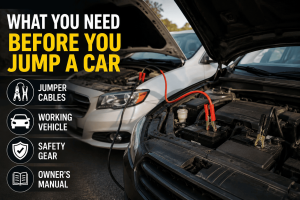
Before learning how to jump a car, gather the right equipment and check both vehicles. Safety should always come first.
Jumper Cables
Use heavy-duty jumper cables with strong clamps and enough length to reach both batteries comfortably. Quality cables can provide a safer and more reliable connection.
A Working Vehicle
The donor vehicle should have a healthy, fully charged battery. Both vehicles should use compatible electrical systems, such as 12-volt systems. Check your owner’s manual if you are unsure.
Safety Equipment
Wear protective gloves and eye protection when working near a car battery. Keep metal tools, jewelry, and other conductive objects away from the battery terminals to reduce the risk of sparks or accidental shorts.
How to Jump a Car Step by Step
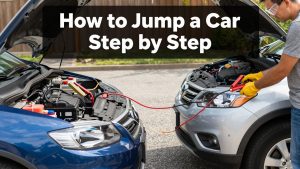
1. Park Both Vehicles Safely
Park close enough for the jumper cables to reach, but never let the vehicles touch. Put both vehicles in Park and turn off the engines.
2. Locate Both Batteries
Find each battery or check the owner’s manual for remote jump terminals.
3. Connect the Red Jumper Cable
Attach the red clamp to the dead battery’s positive (+) terminal. Connect the other red clamp to the working battery’s positive terminal.
4. Connect the Black Jumper Cable
Attach the black clamp to the donor battery’s negative (-) terminal. Connect the other clamp to clean, unpainted metal on the disabled vehicle.
5. Start the Working Vehicle
Start the donor vehicle and let it run for a few minutes.
6. Start the Dead Vehicle
Try starting the disabled vehicle. Avoid long cranking. Wait briefly before trying again.
7. Remove the Jumper Cables
Remove the cables in reverse order. Keep the clamps separated, then close both hoods.
How Long Should You Let a Car Run After a Jump?
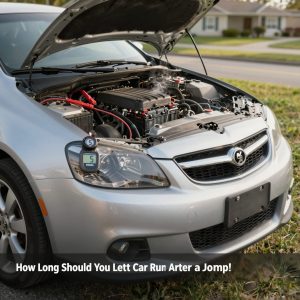
After you learn how to jump a car, keep the engine running to help the alternator recharge the battery. Avoid shutting the car off immediately after it starts. If possible, drive for about 20 to 30 minutes instead of simply letting the engine idle. Driving can help the alternator provide a better charge while you reach a safe destination. However, driving does not always fully recharge a weak or damaged battery. If the car struggles to start again, the battery may need testing. A battery test can determine whether it needs charging, replacement, or further inspection.
How to Jump a Car Without Another Car?
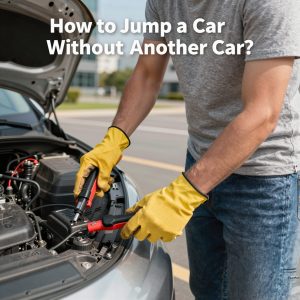
Learning how to jump a car without another car is easy with a portable jump starter. This compact device provides enough power to start a vehicle with a weak or dead battery. First, turn off the car and all electrical accessories. Connect the jump starter’s positive clamp to the battery’s positive terminal. Then, attach the negative clamp to the negative terminal or an approved grounding point. Make sure the clamps are secure and do not touch each other. Follow the jump starter manufacturer’s instructions carefully. Modern vehicles may have specific jump-start points, so check the owner’s manual before starting.
Can You Jump-Start Any Car?

Not every vehicle can be jump-started in the same way. Most gas-powered cars, trucks, and SUVs can use a standard jump-start procedure. However, hybrids and electric vehicles (EVs) may require special steps. Some models have dedicated jump-start terminals or specific connection points under the hood. Others may need a particular procedure to protect sensitive electrical systems. Using the wrong method can damage the vehicle or create safety risks. Before jump-starting any car, always check the owner’s manual for the correct instructions. If you are unsure, contact roadside assistance or a qualified mechanic for professional help.
How to Jump an Audi Q5

Jump-starting an Audi Q5 may require using designated jump-start terminals under the hood. These terminals are designed to provide safe access for connecting jumper cables or a jump starter. Always follow the instructions in your Audi Q5 owner’s manual before starting. Do not assume the battery is located in an easily accessible position. Audi Q5 battery placement and jump-start procedures can vary by model year and configuration. If you are unsure, contact an Audi dealer or qualified technician for help.
Where Is the Audi Q5 Manufactured?
If you are researching where is the Audi Q5 manufactured, production locations can vary by generation and market. Check your vehicle documentation for model-specific information.
Common Mistakes When Jumping a Car
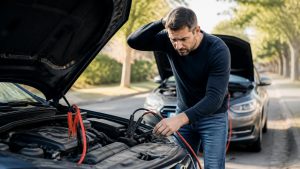
Jump-starting a car can help when the battery is dead, but mistakes can cause damage or injury. Always connect the jumper cables to the correct terminals and keep the clamps from touching each other. Reversing cable polarity can damage the battery or electrical system. Never use damaged or frayed jumper cables. Avoid jump-starting a battery that is severely damaged, leaking, or swollen. Check your vehicle owner’s manual for the correct procedure, especially on newer cars and trucks. Finally, choose a safe location away from traffic and other hazards. Following these simple steps can make a car jump-start safer for U.S. drivers.
When You Should Not Jump-Start a Car
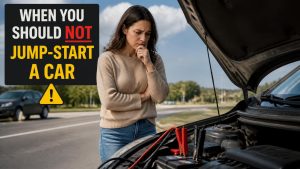
Do not jump-start a car if the battery is physically damaged, cracked, leaking, or swollen. A damaged battery can release dangerous chemicals and may create a fire or explosion risk. Avoid connecting jumper cables if you notice a strong chemical smell, broken battery terminals, or visible leaks. Sparks near a damaged battery can ignite flammable gases and cause serious injury. If the battery looks unsafe, stop and move away from the vehicle. For added safety, contact a professional mechanic or roadside assistance service. They can inspect the battery and determine whether it needs replacement instead of a jump-start.
Why Does a Car Battery Die?
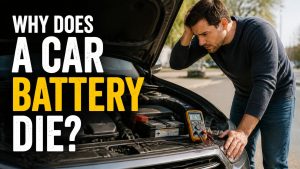
A car battery can die for several common reasons. Leaving headlights, interior lights, or other electrical systems on can quickly drain the battery. Plugged-in accessories may also use power when the engine is off. Extreme heat and cold can reduce battery performance and shorten its life. An old car battery may simply lose its ability to hold a charge. Charging system problems, including a failing alternator, can prevent the battery from recharging properly. Cars that sit unused for long periods can also develop a dead battery. Regular driving, battery checks, and proper maintenance can help prevent unexpected starting problems.
How to Prevent a Dead Car Battery
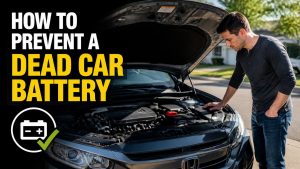
Preventing a dead car battery can save you time, money, and stress. Check your battery condition regularly for corrosion, cracks, or other warning signs. Keep the battery terminals clean and securely connected. Drive your vehicle regularly, especially if it often sits unused. Always turn off headlights, interior lights, and electronic accessories before leaving your car. Test the battery before long road trips to avoid unexpected problems. In the USA, winter temperatures can reduce battery performance, so consider battery testing before the cold season. Regular maintenance helps extend battery life and keeps your vehicle starting reliably in different driving conditions.
How to Jump a Car Safely in Winter
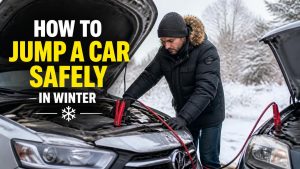
Cold weather can reduce battery power and make starting a car harder. Before you jump a car, inspect the jumper cables for damage, frayed wires, or loose clamps. Park both vehicles safely away from traffic and keep them on a stable surface. Turn off both engines before connecting the cables. Keep the battery and electrical connections as dry as possible. Follow the correct connection order to avoid sparks or damage. During winter travel, keep jumper cables, gloves, a flashlight, and an emergency kit in your vehicle. These simple steps can help you jump-start a car safely during cold U.S. winters.
FAQs
Can I jump a car by myself?
Yes. A portable jump starter can help you start a car without another vehicle. Follow the jump starter’s instructions and connect it correctly.
Which jumper cable goes on first?
Connect the positive (+) cable first. Attach it to the dead battery’s positive terminal, then connect the other positive clamp. Next, connect the negative (-) cable to the donor battery and a safe metal ground on the dead car.
How long should I leave jumper cables connected?
There is no single time for every vehicle. Let the working car run for a few minutes before trying to start the dead car. Follow the vehicle owner’s manual for specific instructions.
Why won’t my car start after a jump?
The battery may be too weak or damaged. A bad starter, alternator, or electrical problem can also prevent the car from starting. If it still will not start, have the vehicle inspected.
Can jumping a car damage the battery?
Yes. Incorrect cable connections can cause sparks, electrical damage, or battery problems. Always check the positive and negative terminals before connecting jumper cables.
Can I jump-start a hybrid or electric vehicle?
Procedures vary by vehicle. Some hybrids and EVs have specific jump-start points and safety requirements. Always follow the manufacturer’s instructions before attempting a jump-start.
Final Verdict: How to Jump a Car Safely
Knowing how to jump a car can help you get back on the road when the battery dies. Start by parking the vehicles safely and turning off both engines. Connect the jumper cables in the correct order. Attach the red clamp to the positive (+) terminal on the dead battery. Connect the other red clamp to the positive terminal on the working battery. Then, attach the black clamp to the negative (-) terminal on the working battery. Finally, connect the remaining black clamp to an unpainted metal surface on the disabled vehicle, away from the battery.
Start the working vehicle first. Let it run for a few minutes, then try starting the vehicle with the dead battery. Once it starts, carefully remove the cables in the reverse order. Never allow the clamps to touch each other.
Always check your owner’s manual before attempting a jump-start. Some modern vehicles have specific connection points or special procedures. If the battery is cracked, leaking, frozen, or badly damaged, do not attempt to jump it. Professional roadside assistance is the safer choice.
If your car battery keeps dying, a jump-start is only a temporary solution. The battery, alternator, starter, and charging system should be properly inspected.
For USA drivers, the safest approach is simple: use the correct cable connections, follow the vehicle manufacturer’s instructions, and get professional help when you are unsure. A few extra minutes of caution can prevent electrical damage, injury, or a roadside accident.