





Introduction
Colorado Truck Citations & I-70 Chain Law are important topics for commercial truck drivers traveling through Colorado’s mountain corridors. Winter travel on I-70 can become challenging because of heavy snow, ice, steep grades, and rapidly changing road state. These hazards can make it harder for large trucks to maintain control, stop safely, or climb mountain passes. Colorado’s chain and traction requirements are designed to reduce crashes, traffic disruptions, and highway closures during severe weather. Violating these rules can lead to citations, delays, increased costs, and serious safety risks. Truck drivers should understand when chain laws apply and prepare their vehicles before entering hazardous areas. Before starting a trip, always check current conditions, restrictions, and road alerts through the Colorado Department of Transportation (CDOT) and COtrip. Staying informed can help drivers avoid penalties and make safer decisions on I-70 during winter weather.
What Is the Colorado I-70 Chain Law?
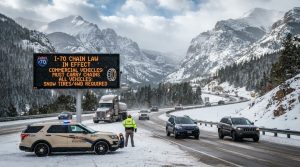
Colorado’s I-70 Chain Law is designed to improve safety during severe winter driving conditions. These traction and chain requirements apply along the I-70 Mountain Corridor, including the route from Dotsero to Morrison. The rules help reduce crashes, delays, and vehicle closures caused by snow and ice. The seasonal period generally runs from September 1 through May 31. During this interval, the Colorado Department of Transportation (CDOT) can activate traction or chain requirements when road and weather conditions become hazardous. Drivers and commercial truck operators should check current CDOT alerts before traveling I-70 and ensure their vehicles meet the required traction equipment standards.
Who Must Follow Colorado’s Truck Chain Law?
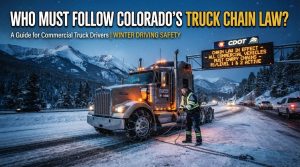
Colorado’s truck chain law generally applies to commercial vehicles traveling on designated roads during severe winter conditions. Heavy trucks, tractor-trailers, and commercial vehicle combinations may need tire chains or approved traction devices when chain requirements are active. Vehicle weight and commercial use can determine whether the law applies. Certain buses and other qualifying commercial vehicles may also be subject to these Law. Requirements can change based on the active Colorado chain law, road conditions, weather, and posted signs. Drivers and fleet operators should check current Colorado Department of Transportation (CDOT) restrictions before traveling on I-70 or other designated routes.
Current Colorado I-70 Traction Requirements
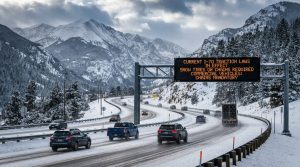
Colorado’s I-70 Traction Law requires drivers to use proper winter-ready equipment when the law is active. Qualifying vehicles must have winter, all-weather, or mud-and-snow (M+S/M/S) tires with at least 3/16-inch tread depth. The updated rules apply to AWD and 4WD vehicles as well. If your vehicle or tires do not meet these requirements, you must use tire chains or an approved alternative traction device on two or more drive tires. During a Commuter Vehicle Chain Law, every vehicle must have chains or an approved alternative device. On I-70, the Traction Law applies annually from September 1 through May 31 between Morrison and Dotsero.
Colorado Truck Citations for Chain Law Violations
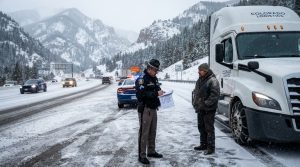
Colorado truck citations can result when drivers fail to follow active chain and traction requirements. A violation may include failing to carry required traction equipment or refusing to chain up when CDOT requires it. Driving unsafely during active restrictions can also lead to enforcement action. Drivers should carefully follow posted highway signs, chain-rules notices, and instructions from the Colorado Department of Transportation (CDOT) or law enforcement. CDOT states that chain laws apply when activated on designated state highways, and noncompliance can result in penalties. Because Colorado traffic laws can change, drivers should check current CDOT guidance and Colorado statutes before traveling.
I-70 Chain Law vs. Traction Law
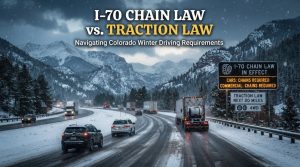
Colorado’s I-70 winter travel rules can change quickly when snow and ice create hazardous driving conditions. The Traction Law focuses on improving Trucks traction, while Chain Laws can require specific traction equipment. These requirements are not identical, and the Colorado Department of Transportation (CDOT) may activate different rules based on road and weather conditions.
| Rule | Main Purpose | Who It Affects | When It Applies |
|---|---|---|---|
| Traction Law | Improve vehicle traction | Motorists and qualifying vehicles | When activated |
| Commercial Vehicle Chain Law | Require commercial vehicle traction equipment | Commercial vehicles | When activated |
| Passenger Vehicle Chain Law | Require chains or approved ATDs | Passenger vehicles | Severe conditions |
Drivers traveling I-70 in Colorado should check current CDOT alerts before starting their trip. Following the active requirement can help prevent crashes, traffic closures, and citations during severe winter weather.
What Happens When the I-70 Chain Law Is Active?
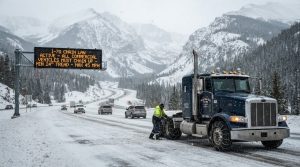
When the I-70 Chain Law is active in Colorado, drivers must prepare before entering the mountain corridor. Check current road conditions and weather before departure. Watch electronic signs and roadside warnings for chain requirements and restrictions. If chains are required, use designated chain stations to install them safely. Reduce your speed and increase following distance on snowy or icy roads. Avoid sudden braking, sharp turns, and Fast lane changes. Make sure your vehicle has appropriate tires and required traction equipment before reaching the restricted area. Following these precautions helps drivers travel more safely along Colorado’s I-70 mountain corridor.
I-70 Chain Stations for Truck Drivers
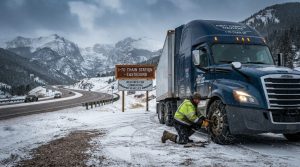
I-70 chain stations give truck drivers a safer place to install or remove tire chains during winter travel in Colorado. These designated areas help drivers get off the travel lanes and prepare for snow and ice conditions. Drivers should use chain stations whenever conditions require chains and avoid stopping on narrow shoulders. Do not wait until roads become dangerous or traffic slows before installing chains. Preparing early can reduce crash risks and traffic delays. The Colorado Department of Transportation (CDOT) provides chain stations along the I-70 corridor, helping commercial truck drivers safely comply with Colorado’s winter chain requirements.
How to Avoid Colorado Truck Citations
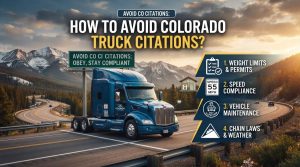
Avoiding Colorado truck citations starts with proper preparation. Use this practical checklist before driving on Colorado highways:
- Check CDOT road conditions before departure.
- Check COtrip for closures, restrictions, and weather updates.
- Carry required traction equipment, including chains when applicable.
- Inspect your tires and check tread depth.
- Know your vehicle’s traction requirements.
- Follow all posted signs and restrictions.
- Chain up when legally required.
- Maintain a safe speed for road and weather conditions.
- Do not block traffic while installing chains or preparing equipment.
Following these steps can help truck drivers stay compliant and reduce the risk of Colorado truck citations.
Winter Truck Maintenance Before Driving I-70
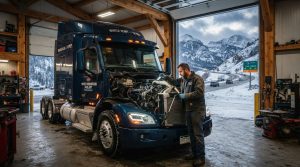
Before driving a truck on I-70 during winter, inspect the tires for tread depth, damage, and proper pressure. Test the brakes and battery, then check headlights, brake lights, and turn signals. Replace worn wipers and verify coolant provides adequate freeze protection. Check engine oil, transmission fluid, and other essential fluids. Carry emergency equipment, including tire chains, blankets, a flashlight, jumper cables, food, and water.
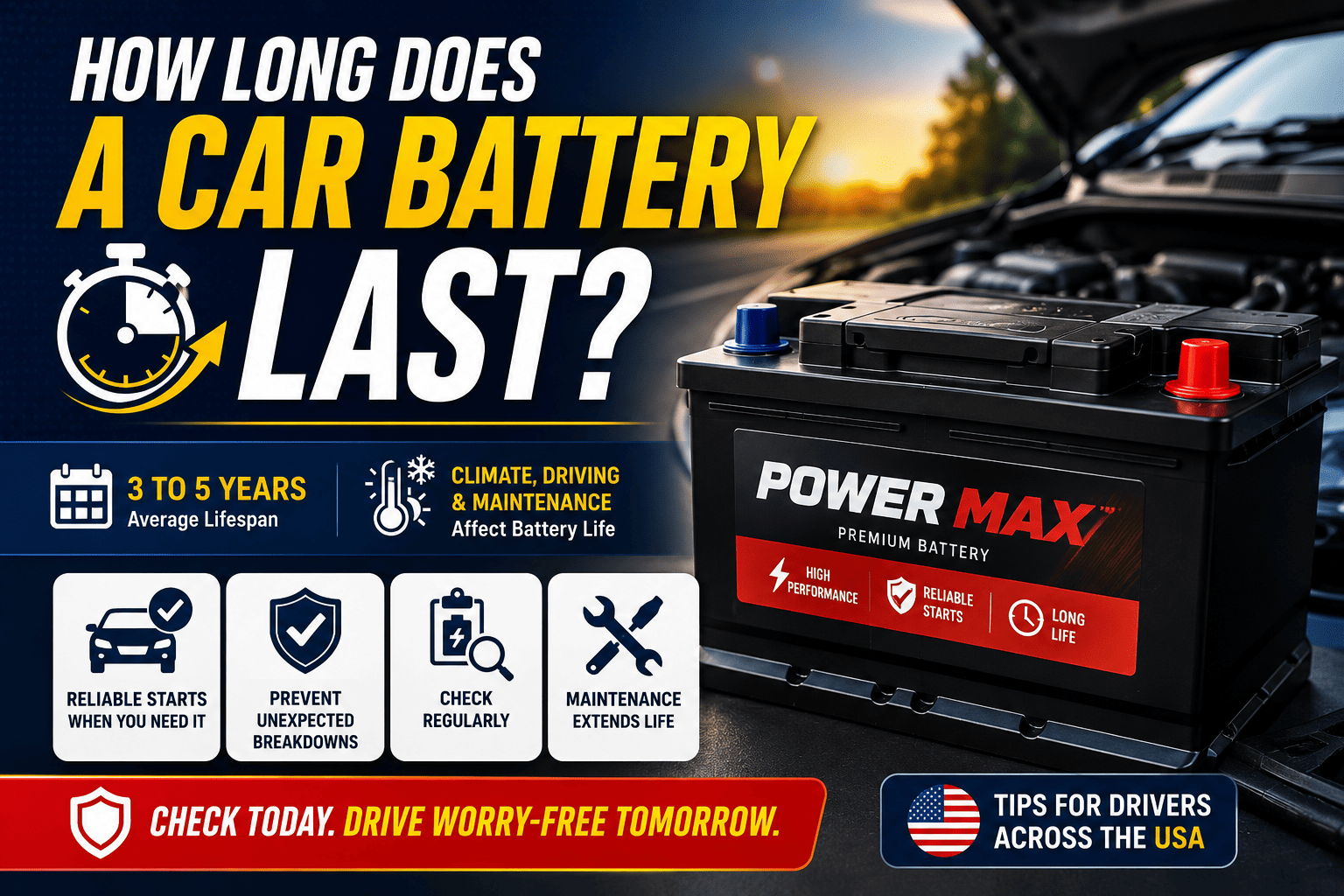
How Long Does a Car Battery Last?
How Long Does a Car Battery Last? Battery life varies with climate, vehicle type, driving habits, and maintenance. Cold weather can reduce battery performance and expose a weak battery. A properly maintained battery helps ensure reliable winter starts, especially before traveling through Colorado mountain conditions on I-70.
I-70 Winter Driving Tips for Truck Drivers
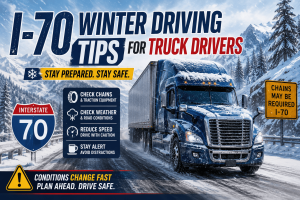
Winter driving on I-70 can be challenging, especially across Colorado’s mountain passes. Truck drivers should slow down on snowy grades and maintain extra following distance to allow more time for braking. Avoid aggressive steering, sudden braking, and rapid lane changes on slippery roads. Watch carefully for black ice, particularly on bridges, shaded areas, and mountain passes. Give snowplows and road crews plenty of space and never pass them unsafely. Keep emergency supplies, warm clothing, food, water, and traction equipment available. Before entering the I-70 corridor, check current road conditions, weather forecasts, chain law requirements, closures, and traffic restrictions.
Common Mistakes That Can Lead to Truck Citations
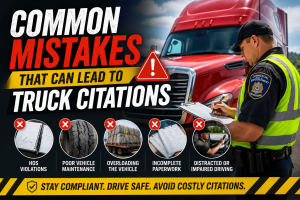
Truck drivers can face citations when they ignore Colorado traction laws or changing winter road conditions. Common mistakes include traveling without required traction equipment, such as chains or approved alternatives, during active restrictions. Drivers may also receive violations for using unsuitable or worn tires. Continuing to drive when conditions become unsafe can increase risks and penalties. During chain installation, always avoid blocking traffic and use designated areas when available. Pay attention to electronic highway messages and official warnings. Before traveling, check current road conditions, weather forecasts, and active traction restrictions. Staying prepared helps truckers avoid citations and promotes safer travel on Colorado highways.
Final Verdict: Colorado Truck Citations & I-70 Chain Law
Colorado truck drivers should understand I-70 chain laws and posted traction requirements before traveling through mountain corridors. Prepare your truck with the required chains or approved traction equipment before entering I-70. Check CDOT and COtrip for current road conditions, closures, restrictions, and chain-law updates. Weather and road conditions can change quickly, especially during winter storms, so drivers should stay alert and adjust plans when necessary. Following posted requirements can help prevent Colorado truck citations and dangerous delays. Always carry appropriate traction equipment, follow active restrictions, maintain safe speeds, and comply with roadside signs to protect yourself and other motorists.