





Introduction
Battery Maintenance Tips for Surviving the Winter Cold can help drivers avoid unexpected starting problems when temperatures drop. Winter cold can quickly expose a weak car or truck battery. Low temperatures slow the battery’s chemical reaction and reduce its ability to deliver starting power. At the same time, cold engines require more energy to start. This combination can cause a battery that seemed fine in mild weather to fail suddenly on a freezing morning.
Cold-weather driving can be especially demanding across the USA. Drivers in Minnesota, Michigan, Wisconsin, Colorado, Wyoming, Montana, and New York often face freezing temperatures, snow, and long winter commutes. Preparing your battery before severe weather arrives can reduce the risk of getting stranded.
Good winter preparation starts with testing the battery’s condition and checking its voltage and starting performance. Cleaning corrosion from the terminals can also improve electrical connections. Charging a battery when needed helps maintain reliable performance. It is also important to inspect cables, connections, and the battery case for damage.
Truck owners should take winter readiness further. Along with battery care, check your wheels, tires, tire pressure, and other essential components before driving in snow and icy conditions. A properly prepared truck is safer and more dependable throughout winter.
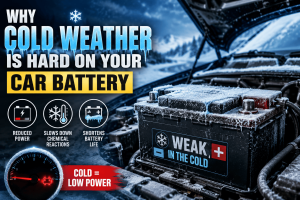
Why Cold Weather Is Hard on Your Car Battery
How Freezing Temperatures Reduce Battery Power
Freezing temperatures slow the chemical reactions inside a car battery. This reduces its available power and makes starting your vehicle harder. In extreme cold, a battery can lose a significant amount of its starting capacity.
Why Cold Engines Need More Starting Power
Cold engine oil becomes thicker, forcing the starter to work harder. This increases the power needed to crank the engine. A weak battery may cause slow cranking, clicking sounds, or a complete no-start situation.
Why Older Batteries Are More Vulnerable
Older batteries naturally lose capacity over time. Winter temperatures can expose these weaknesses quickly. Test an aging battery before winter arrives to reduce the risk of unexpected breakdowns on U.S. roads.
Battery Maintenance Tips for Surviving the Winter Cold
Winter cold can reduce battery performance, especially in northern U.S. states. Test your battery and charging system before freezing weather arrives. Clean corrosion from terminals and keep connections tight. Take longer drives when possible because short trips may not fully recharge the battery. Park in a garage or covered area to limit exposure to extreme cold, snow, and ice. For vehicles sitting for days or weeks, use a battery tender. In extremely cold areas, consider a battery warmer. Turn off lights, heated accessories, chargers, and audio systems before shutdown. Finally, check the battery hold-down to prevent movement and damage.
How to Know Your Battery May Not Survive Winter
Before a major cold snap, check your car battery for warning signs. Slow engine cranking can indicate reduced battery power. Clicking when starting may mean the battery cannot provide enough current. Dim headlights can also signal a weak battery. Watch for the battery warning light on your dashboard. Inspect for corrosion, cracks, or bulging, which may require replacement. If you need frequent jump-starts, your battery may be nearing failure. Cold temperatures can reduce battery performance, making existing problems worse. Checking these signs early can help prevent a dead battery and unexpected roadside trouble during harsh U.S. winter weather.
How Old Is Too Old for a Car Battery?
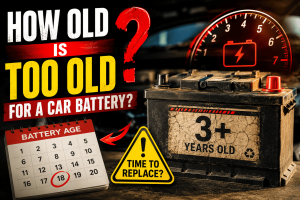
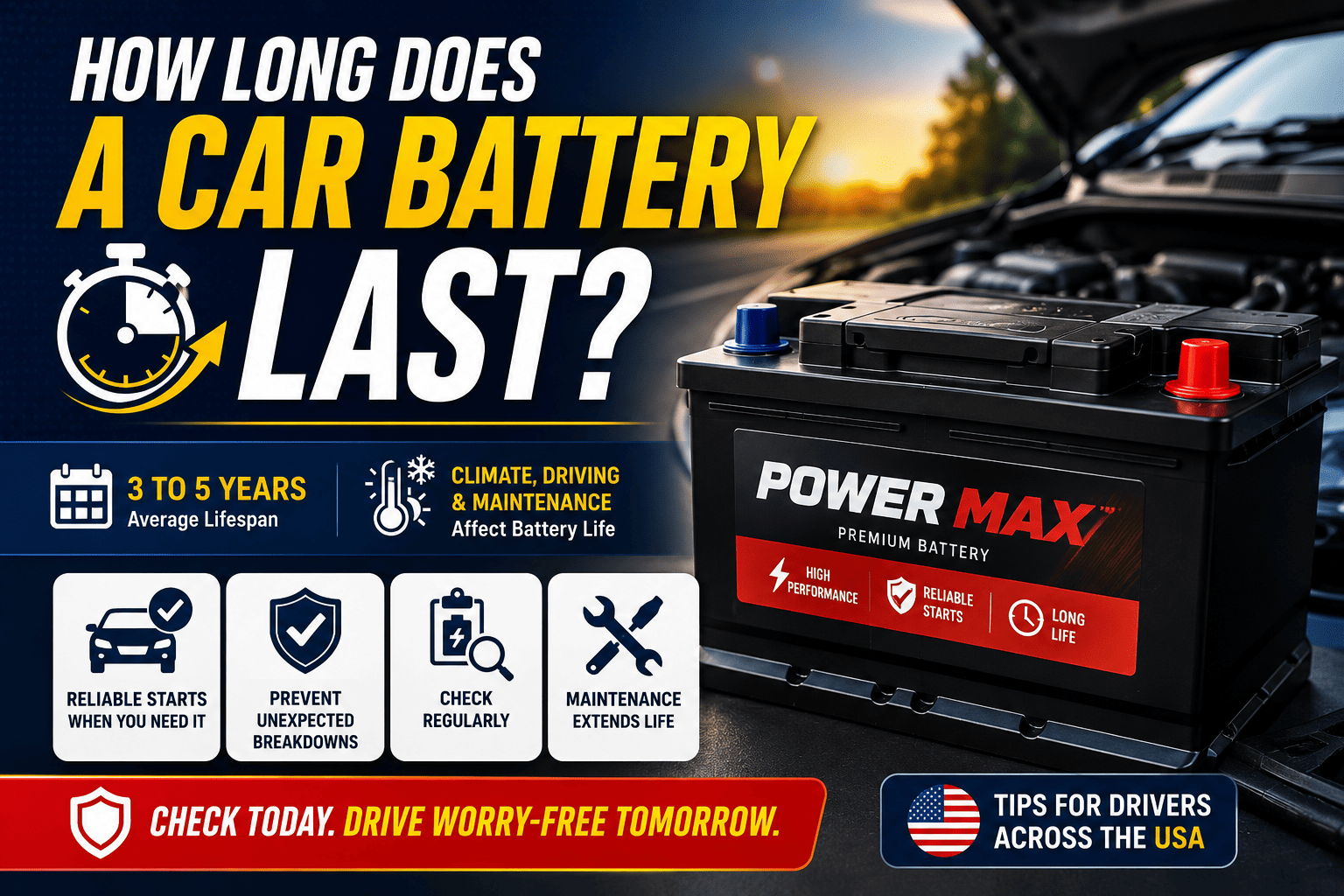
Most car batteries last about 3 to 5 years, but climate and driving habits can shorten their lifespan. Extreme heat can accelerate battery wear, while freezing temperatures can reduce starting power. Frequent short trips may also prevent the battery from fully recharging. In regions with severe summer heat or harsh winter cold, drivers should test their car battery more often. Warning signs include slow engine cranking, dim headlights, or difficulty starting. Before replacing an older battery, check the manufacturer’s specifications for the correct battery type, size, and recommended service life. Regular testing can help prevent unexpected breakdowns.
How to Check Your Battery Before a Winter Road Trip
Before a winter road trip in the USA, inspect your car battery to avoid unexpected starting problems in freezing weather. First, check the battery case for cracks, leaks, or swelling. Clean and inspect the terminals and cables for corrosion or loose connections. Test the battery’s condition and cold-cranking performance if possible. Check the alternator and charging system to ensure the battery receives proper power. Make sure the battery is securely mounted. Test headlights, heaters, and other electrical accessories. Finally, carry jumper cables, a portable jump starter, gloves, and other emergency supplies for safer winter driving.
Battery Maintenance for Trucks in Cold Weather
Cold weather can place heavy demands on a truck’s electrical system, making proper battery maintenance essential. Pickup trucks, work trucks, diesel trucks, and towing vehicles may face extra strain during winter. Cold starts require more battery power, while long periods of idling can increase electrical load. Accessories such as heated seats, lights, defrosters, and electronics add further demand. Extended winter trips can also expose a weak battery to repeated starting cycles. Before winter, inspect the battery, terminals, and connections for corrosion or damage. When replacing a battery, always match its size, cold-cranking amps (CCA), and specifications to the truck manufacturer’s requirements.
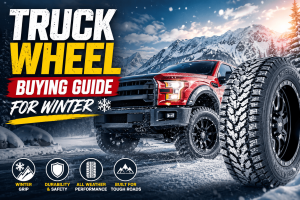
Truck Wheel Buying Guide for Winter
Choose the Correct Wheel Size
Match wheel diameter and width to your truck’s factory specifications. Changing sizes can affect fitment, handling, and ride quality.
Check Wheel Load Rating
Choose wheels rated for your truck’s payload, towing needs, passengers, and cargo. A proper load rating supports safe winter driving.
Understand Wheel Offset
Positive, negative, and zero offset affect wheel position. Verify clearance around brakes, suspension, and fenders.
Check Bolt Pattern and Center Bore
Confirm the exact bolt pattern and center bore before ordering. Similar-looking wheels may not fit.
Choose Wheels for Winter Conditions
Select corrosion-resistant, durable wheels that handle snow, ice, moisture, and road salt, especially in northern U.S. states.
Steel vs. Alloy Truck Wheels
Steel wheels offer durability, while alloy wheels are lighter and often provide better styling. Consider your truck’s daily use.
Buying OEM vs. Aftermarket Truck Wheels
OEM wheels provide factory fitment. Aftermarket wheels offer more choices but require verified specifications.
Where to Buy Truck Wheels in the USA
Compare online retailers, local tire shops, truck accessory stores, and dealerships. Confirm size, offset, load rating, bolt pattern, and center bore before ordering.
Battery and Truck Wheel Maintenance Before a Winter Road Trip
Before a winter road trip in the USA, inspect your battery and truck wheels carefully. Test the battery to ensure reliable cold-weather starting. Clean and tighten the battery terminals to prevent electrical problems. Inspect truck wheels for cracks, bends, or other damage. Check tire pressure because cold temperatures can reduce PSI. Inspect tire tread for safe traction on snow and icy roads. Verify wheel lug torque to keep wheels securely attached. Check your spare tire, including pressure and condition. Finally, pack emergency equipment such as jumper cables, a flashlight, blankets, gloves, and a roadside emergency kit.
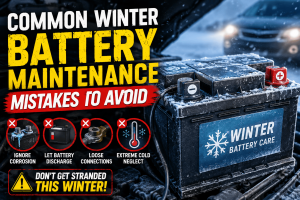
Common Winter Battery Maintenance Mistakes to Avoid
Ignoring an Aging Battery
Replace weak batteries before cold weather reduces starting power.
Taking Only Very Short Trips
Short drives may not fully recharge your car or truck battery.
Leaving Electrical Accessories On
Turn off lights, chargers, and electronics before parking.
Ignoring Corrosion
Clean battery terminals regularly to maintain a strong connection.
Waiting Until the First Freeze to Test the Battery
Test battery health before temperatures drop across the USA.
Buying the Wrong Replacement Battery
Choose the correct size, CCA rating, and specifications.
Choosing Truck Wheels Without Checking Load Rating
Select wheels rated for your truck’s weight and hauling needs.
Ignoring Wheel Fitment Specifications
Check bolt pattern, offset, diameter, and hub fit before buying truck wheels.
Winter Battery Maintenance by U.S. Region
Winter battery maintenance varies across the United States because temperatures and driving conditions differ by region. In the Northeast, drivers in New York, Pennsylvania, and New England should check battery voltage and terminals before freezing weather. The Midwest, including Michigan, Wisconsin, Minnesota, and Illinois, requires extra attention because severe cold can reduce battery performance. In Mountain States such as Colorado, Wyoming, Montana, and Utah, cold temperatures and snow can strain batteries. Drivers in Washington and Oregon should prepare for wet, cold conditions. In Southern states, extreme cold is less common, but regular winter battery checks still help prevent unexpected starting problems.
Frequently Asked Questions
How do I protect my car battery in freezing weather?
Keep the battery clean and fully charged. Park in a garage when possible, and inspect the battery terminals for corrosion.
How often should I check my battery in winter?
Check your car battery at least once a month during winter. Test it before extreme cold arrives.
Does cold weather drain a car battery?
Yes. Freezing temperatures reduce battery performance and make the engine harder to start.
How long does a car battery last?
Most car batteries last about 3 to 5 years. Extreme temperatures, driving habits, and maintenance can affect battery life.
Should I use a battery tender in winter?
Yes, especially if your vehicle sits for long periods. A battery tender helps maintain a proper charge without overcharging.
Can short trips damage a car battery?
Frequent short trips can prevent the alternator from fully recharging the battery. Longer drives can help restore the charge.
What are the signs of a weak winter battery?
Common signs include slow engine cranking, dim headlights, clicking when starting, and repeated starting problems in cold weather.
How do I choose truck wheels for winter driving?
Choose durable truck wheels with the correct size, offset, bolt pattern, and load rating. Consider wheels designed for harsh winter conditions.
What load rating should truck wheels have?
Your truck wheels should meet or exceed the vehicle manufacturer’s recommended load rating. Check your owner’s manual or door-jamb label.
Are steel or alloy wheels better for winter?
Steel wheels are often preferred for durability and affordability. Alloy wheels are lighter and can offer better handling, but quality matters in winter conditions.
How do I know if truck wheels will fit my vehicle?
Check the wheel diameter, width, bolt pattern, offset, center bore, and load rating. Always match the wheel specifications to your truck.
Final Thoughts
Preparing your vehicle for winter can help prevent unexpected problems when temperatures drop. These Battery Maintenance Tips for Surviving the Winter Cold include testing an aging battery, cleaning the terminals, checking connections, and keeping the battery properly charged. Drivers should inspect their batteries before severe winter weather arrives, especially if the battery is already several years old. Cold temperatures can reduce battery performance and make starting harder.
Truck owners should also prepare their wheels before winter travel. Before buying new truck wheels, verify the correct wheel size, offset, bolt pattern, center bore, and load rating for your specific truck. The right fit supports safe handling and reliable performance.
A little preparation can make a major difference during cold-weather driving. Check your battery, inspect your wheels, and address potential problems early. These simple steps can improve reliability, support winter safety, and help you avoid inconvenient roadside breakdowns when you need your truck most.

One comment on “Battery Maintenance Tips for Surviving the Winter Cold: 10 Expert Tips for 2026”