




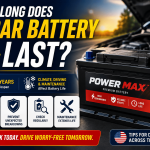


Every driver has experienced that sinking feeling when turning the ignition key results in absolutely nothing but a hollow, repetitive clicking sound. Consequently, this sudden failure always seems to happen at the most inconvenient moment imaginable, such as when you are running late for an important business presentation. While many vehicle owners treat their electrical systems like a permanent, indestructible utility, the reality is that automotive power cells are highly volatile chemical consumers. Ultimately, knowing exactly how often to replace your car battery is the single best way to protect your schedule and your wallet from unexpected roadside emergencies.
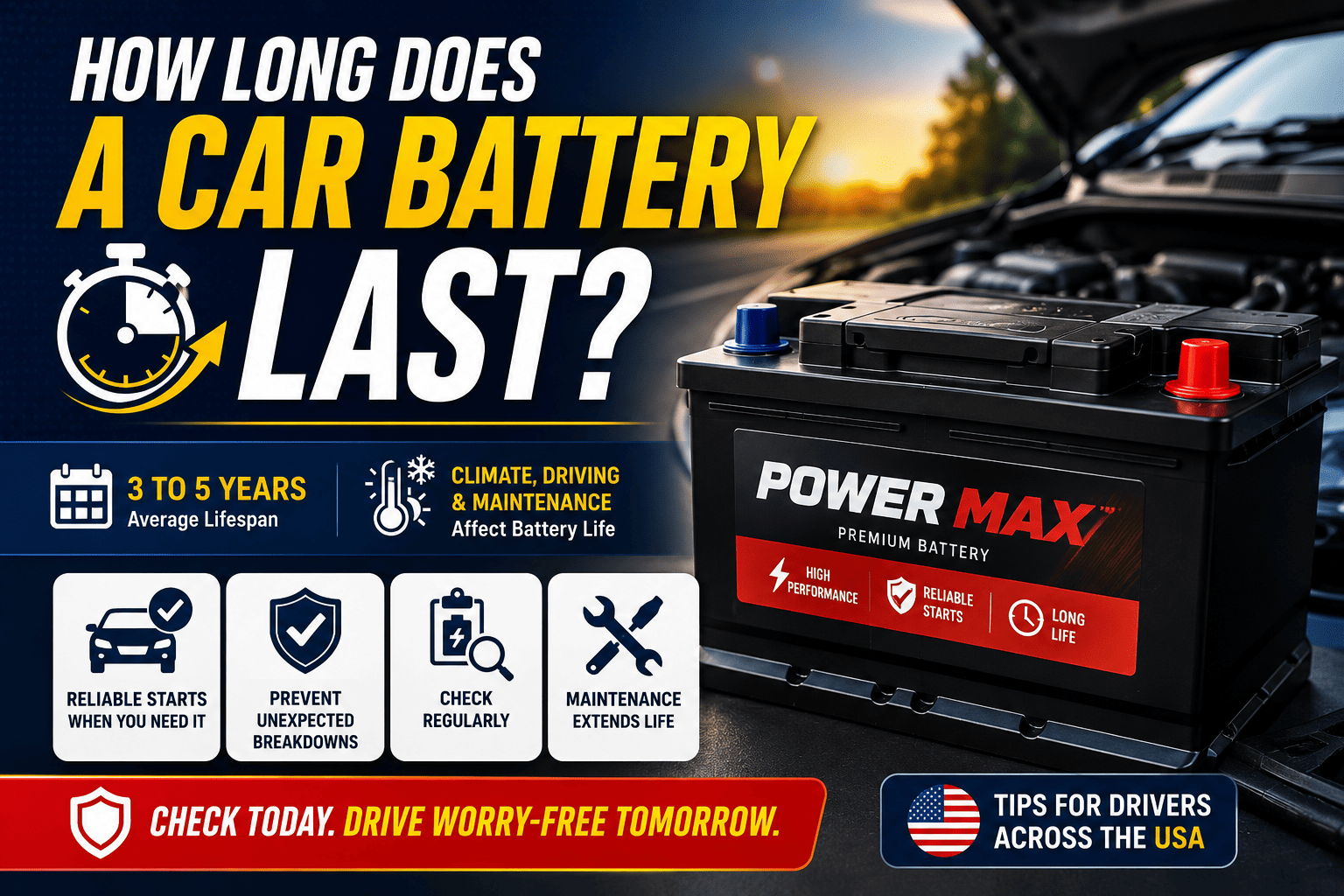
Statistical automotive data consistently reveals that a standard lead-acid car battery maintains a reliable, peak-performance operational lifespan of roughly three to five years. However, this generalized timeline is heavily influenced by a wide variety of environmental elements, driver behaviors, and specific vehicle charging system demands. By understanding the underlying physics of electrical degradation, tracking your installation dates, and recognizing critical warning indicators, you can easily predict when your power cell is reaching the end of its useful service life.
The Hidden Science: What Actually Kills a Healthy Car Battery?
Many drivers mistakenly believe that freezing winter temperatures are the primary cause of sudden automotive battery failure across the country. While bitter cold weather certainly increases the mechanical resistance within your engine, the true, silent destroyer of your battery’s internal lead plates is actually extreme summer heat. When under-hood temperatures soar past 140 degrees Fahrenheit during peak summer months, the internal liquid electrolyte solution inside your battery begins to evaporate at an drastically accelerated rate. Consequently, this rapid structural drying process exposes the delicate lead grids to severe internal corrosion, creating irreversible physical damage that will inevitably manifest as a total electrical failure when the first cold snap hits.
+-----------------------------------------------------------+
|             PRIMARY CAUSES OF BATTERY DEGRADATION         |
+-----------------------------------------------------------+
| [38%] Extreme Under-Hood Heat (Electrolyte Evaporation)   |
| [26%] Chronic Short Trips (Under-Charging by Alternator)  |
| [18%] Constant Parasitic Drain (Dash Cams & Accessories)  |
| [18%] Poor Physical Mounting (Excessive Engine Vibration) |
+-----------------------------------------------------------+
As illustrated in the data breakdown above, chronic short-distance driving represents another highly prevalent, yet frequently overlooked factor that destroys modern power cells. For instance, if your daily commute consists entirely of quick, ten-minute trips to the local grocery store, your vehicle’s alternator never receives enough continuous running time to fully replenish the massive amount of energy consumed by the starter motor. Therefore, your battery remains stuck in a permanent, continuous state of under-charging, which triggers a destructive chemical process known as sulfation. During sulfation, small sulfur crystals permanently harden onto the internal lead plates, significantly reducing the battery’s overall capacity to store and discharge energy efficiently over time.
Lifespan Realities by Battery Type: Standard vs. AGM
The exact type of battery technology packed beneath your hood plays a massive role in dictating your long-term replacement schedule. For decades, traditional flooded lead-acid batteries served as the universal industry standard, offering adequate cranking power at a highly affordable price point. However, modern high-tech vehicles packed with extensive electronic luxury features require a far more robust, resilient power source to handle their massive electrical loads.
| Battery Engineering Type | Average Lifespan | Best-Case Climate | Worst-Case Climate |
| Standard Flooded Lead-Acid | 3 to 5 Years | 6 Years (Northern States) | 2 Years (Desert Southwest) |
| AGM (Absorbed Glass Mat) | 5 to 7 Years | 8 Years (Mild Climates) | 3 Years (Extreme Southern Heat) |
| EFB (Enhanced Flooded) | 4 to 6 Years | 7 Years (Temperate Zones) | 3 Years (Heavy Stop-Start Driving) |
| Lithium-Ion (12V Automotive) | 8 to 10 Years | 12 Years (Controlled) | 5 Years (Extreme Voltage Spikes) |
If you drive a premium vehicle equipped with an Absorbed Glass Mat (AGM) battery, you can generally expect a longer operational lifespan of five to seven years. Because AGM batteries utilize a specialized fiberglass mesh to completely absorb the liquid electrolyte, they are naturally far more resistant to heavy vehicle vibrations and deep electrical discharges. Nevertheless, regardless of whether your car uses a basic flooded cell or a high-end AGM unit, passing the three-year mark means the asset must be closely monitored with annual testing.
7 Critical Warning Signs That Your Battery Is About to Die
Fortunately, your vehicle will rarely suffer from a total electrical blackout without first sending out several clear, physical distress signals. By learning to actively identify these early symptoms of degradation, you can easily replace a failing unit on your own terms rather than waiting for a complete breakdown.
An Exceptionally Slow Engine Crank: If your engine takes several seconds to sluggishly turn over when you turn the key, the battery is struggling to deliver its rated Cold Cranking Amps (CCA).
Dimming Headlights at Idle: If your incandescent or LED headlights visibly brighten when you press the gas pedal but dim significantly when your vehicle drops down to an idle, your battery is failing to support the electrical system.
A Visibly Swollen or Bloated Battery Case: Severe under-hood heat or an internal short-circuit can cause the heavy plastic walls of your battery to warp, bulge, or swell outward dramatically.
The Pungent Rotten Egg Smell: If you smell a strong, offensive sulfur odor around your engine bay, your battery is actively over-charging, boiling its internal acid, and venting toxic gases.
Corroded, Powdery Terminal Connections: A heavy accumulation of white, green, or blue crusty powder around the metal battery posts blocks the flow of electricity and signals a chemical leak.
Frequent Component Reset Glitches: If your clock constantly loses time, your power windows operate sluggishly, or your saved radio presets wipe out overnight, your voltage is dropping dangerously low.
The Dreaded Dashboard Battery Light: This illuminated warning icon indicates a definitive malfunction within your charging loop, meaning the vehicle is running purely on rapidly depleting battery reserves.
The Ultimate Prevention: How to Proactively Extend Battery Life
While you cannot completely stop the natural chemical aging process of an automotive battery, you can easily execute a few simple maintenance steps to maximize its lifespan. For example, ensure that the heavy metal hold-down bracket securing your battery into its engine bay tray is tightened down firmly with a wrench. If a battery is allowed to rattle, slide around, or vibrate excessively while you drive over rough roads, the internal lead grids can crack and break away from the cell walls, causing instant failure.
Pro Maintenance Tip: At least twice a year, disconnect your battery terminals and thoroughly scrub away any accumulated corrosion using a stiff wire brush and a simple paste made of baking soda and warm water. Once dry, coat the clean metal posts with a thin layer of specialized anti-corrosion spray to block moisture and preserve clean, unrestricted electrical conductivity.
Finally, if you plan to leave your vehicle parked idle in a garage for more than two consecutive weeks, consider investing in a smart battery maintainer or “trickle charger.” This intelligent electronic device plugs directly into a standard household wall outlet and monitors your vehicle’s state of charge in real time. By automatically delivering tiny, controlled pulses of electrical current only when the voltage dips, it completely prevents the battery from slipping into a deeply discharged state, effectively adding years to its overall service life.
Final Verdict: When Should You Drop Everything and Replace It?
Ultimately, if your automotive battery has crossed its fourth anniversary, you are actively driving on borrowed time regardless of how perfectly the vehicle seems to start. The absolute best time to replace a car battery is always proactively in your own driveway before a total chemical failure forces you to manage a stressful roadside emergency. By pairing consistent annual voltage testing with high-quality physical maintenance, you can keep your vehicle’s starting system completely reliable, saving time, stress, and hundreds of dollars in emergency towing fees over the lifespan of your vehicle.