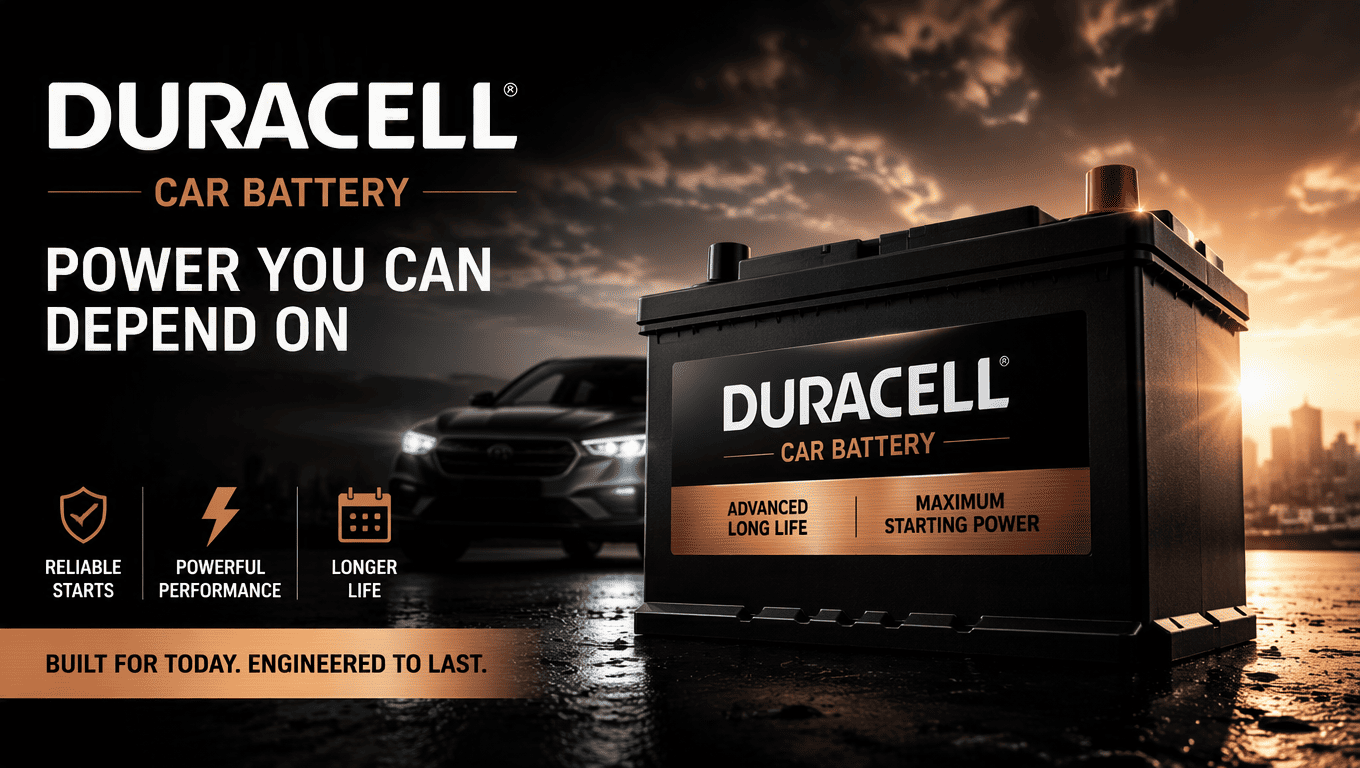









Imagine turning your car key or pressing the start button, only to hear a disheartening click. A dead car battery is one of the most common automotive headaches, leaving you stranded and watching the clock. Whether you are using a portable trickle charger in your garage or getting a quick boost from a neighbor, the big question is always: How long does it take to charge a car battery?
The short answer is that it can take anywhere from 30 minutes to over 24 hours.
However, because battery charging is influenced by several variables—including battery capacity, charger amperage, and the battery’s state of health—there is no single magic number. This comprehensive guide breaks down the science of battery charging, provides precise time estimates based on different chargers, and offers actionable tips to get you back on the road safely and efficiently.
Understanding Car Battery Basics: Amps, Volts, and Capacity
Before diving into time calculations, it helps to understand what is happening under the hood. Most standard internal combustion engine (ICE) vehicles use a 12-volt lead-acid battery.
A car battery’s capacity is typically measured in Amp-hours (Ah). This rating dictates how much current the battery can deliver over a specific period. A standard passenger car battery usually features a capacity of around 40 to 60 Ah.
When calculating charging times, you must look at the output of your battery charger, which is measured in Amps (A). In an ideal, perfectly efficient world, a simple mathematical formula determines the charging time:
Note: In reality, batteries are not 100% efficient. Because of internal resistance and energy lost as heat, you generally need to add roughly 20% to 30% more time to any theoretical calculation to achieve a full charge.
Charging Times Breakdown by Charger Type
The speed of your charge depends almost entirely on the type of equipment you use. Battery chargers generally fall into three categories: slow (trickle) chargers, medium (maintenance) chargers, and fast chargers.
1. Trickle Chargers (2 Amps to 4 Amps)
Estimated Time: 12 to 24+ hours
Best For: Long-term maintenance, winter storage, and preserving battery health.
Trickle chargers deliver a low, steady current to the battery. Because they heat up the battery very little, they are the safest option for long-term health. If your battery has a 50 Ah capacity and is completely dead, a 2-amp charger will take roughly 25 hours to pump enough energy into it, plus a few extra hours to compensate for efficiency loss.
2. Intermediate / Maintenance Chargers (4 Amps to 10 Amps)
Estimated Time: 4 to 8 hours
Best For: Safe, overnight charging at home.
An intermediate charger strikes the perfect balance between speed and safety. A 10-amp charger can bring a moderately discharged battery back to life in just a few hours. This makes it an ideal tool if you discover a dead battery in the evening and need the vehicle ready for your morning commute.
3. Fast Chargers (20 Amps to 50 Amps)
Estimated Time: 30 minutes to 2 hours
Best For: Emergency situations when you are short on time.
Fast chargers pump a high volume of current into the battery rapidly. Consequently, they generate significant heat and can degrade the internal components of your battery if used frequently. While a 40-amp charger can get your car started in under an hour, you should use this method sparingly to avoid warping the internal lead plates.
Crucial Factors Affecting Charging Speed
While the math gives you a baseline, real-world conditions frequently alter your actual charging speed. Furthermore, ignoring these variables can lead to inaccurate expectations or even damaged equipment.
The State of Discharge
Naturally, a battery that is only slightly depleted will charge much faster than one that is completely dead. If you left your dome light on overnight, the battery might only be down to 50% capacity, halving the time listed in standard charts. Conversely, a deeply discharged battery that reads below 10.5 volts will require a prolonged, low-current revival period.
Ambient Temperature
Extremely cold or hot weather drastically affects chemical reactions inside the battery. In freezing temperatures, a battery’s internal resistance increases, meaning it accepts a charge much slower than it would at room temperature. For this reason, many modern smart chargers feature temperature compensation to adjust voltage output automatically based on the weather.
Battery Age and Health
As lead-acid batteries age, sulfate crystals build up on the lead plates—a process known as sulfation. This degradation permanently reduces the battery’s active capacity and its ability to accept a charge efficiently. Therefore, an old, degraded battery may either take significantly longer to charge or trick the charger into thinking it is full when it actually holds very little functional power.
Charging via the Alternator: Driving Your Car
Many drivers wonder if they can skip the wall charger altogether and simply let their vehicle’s alternator do the heavy lifting. While your alternator is designed to maintain your battery, it is not optimized to recharge a completely dead one from scratch.
If you jump-start your vehicle, you should drive it continuously for at least 30 to 45 minutes on the highway to achieve a basic, functional charge. Highway driving is critical because higher engine RPMs allow the alternator to generate its maximum charging current.
However, relying entirely on your alternator to revive a dead battery places an immense thermal strain on the system. It can cause your alternator to overheat and fail prematurely, turning a cheap battery issue into an expensive mechanical repair. Therefore, using a dedicated plug-in charger is always the preferred method for a dead battery.
Step-by-Step Guide: How to Charge Your Battery Safely
Working with car batteries involves managing high currents and corrosive acids. Therefore, safety should always be your top priority. Follow these steps to ensure a safe and successful charging process:
Wear Safety Gear: Put on protective eyewear and heavy-duty gloves to protect yourself against accidental sparks or acid leaks.
Turn Off the Vehicle: Ensure the ignition is completely off and keys are removed from the slot.
Identify the Terminals: Locate the positive terminal (marked with a plus sign
+and usually a red cap) and the negative terminal (marked with a minus sign-and a black cap).Connect the Charger: Always connect the Positive (Red) clamp to the positive terminal first. Subsequently, connect the Negative (Black) clamp to the negative terminal or an unpainted metal chassis ground.
Configure the Charger: Select the appropriate voltage (typically 12V for standard cars) and your desired amperage rate based on your timeline.
Plug In and Power On: Plug the charger into a wall outlet and turn it on. Monitor the process periodically to ensure the battery does not become excessively hot to the touch.
Sign of a Bad Battery: When Charging Fails
Sometimes, no matter how long you leave your battery on the charger, it simply refuses to hold a charge. If you experience any of the following symptoms, your battery has likely reached the end of its useful lifespan:
The Battery Case is Swollen: Severe overcharging or extreme heat causes the sides of the plastic casing to bulge, indicating catastrophic internal failure.
A Rotten Egg Smell: This distinct, unpleasant odor indicates that your battery is gassing excessively and leaking sulfuric acid, which is highly dangerous.
Rapid Voltage Drops: If your charger indicates the battery is 100% full, but the voltage drops below 12 volts immediately after disconnecting the charger, the internal plates can no longer retain energy.
The Charger Errors Out: Most modern smart chargers feature diagnostic codes. If your screen flashes a “bad battery” or “sulfation” error, it is time to visit an auto parts store for a replacement.
Summary and Key Takeaways
To maximize the lifespan of your vehicle’s electrical system, invest in a quality smart charger that automatically shuts off when the battery reaches full capacity. While a 10-amp charger remains the best overall balance of speed and safety for home garages, remember that patience is key. Avoid the temptation to use high-amperage fast chargers on a regular basis.
Ultimately, understanding your battery’s capacity and matching it with the right charging rate ensures that you will never be left guessing how long it takes to safely get back on the road.