





Navigating the hidden world of vehicle classifications can feel like deciphering an ancient, coded text. Many drivers assume that any standard sedan, family sport utility vehicle, or personal pickup truck naturally falls into a single, generic category. However, regulatory agencies like the Department of Transportation (DOT) draw a incredibly strict line between commercial and non-commercial machinery. Choosing the wrong classification when registering a large family vehicle can instantly trigger massive legal fines, extreme insurance premiums, and unnecessary regulatory headaches.
Fortunately, understanding the exact boundaries of a non-commercial vehicle is simpler than it appears at first glance. By analyzing weight thresholds, intent of use, and passenger capacities, you can easily protect yourself from commercial compliance audits. This comprehensive guide will break down the precise definitions used by federal authorities, highlight hidden gray areas, and reveal the massive financial benefits of keeping your personal transport strictly non-commercial.
Defining the Baseline: What Is a Non-Commercial Vehicle?
In the simplest legal terms, a non-commercial vehicle is any motorized transport operated exclusively for personal, non-business activities. You utilize these machines for daily office commutes, family road trips, grocery shopping runs, and general household errands. Because these trips do not generate revenue or support a corporate entity, regulatory authorities exempt them from heavy-duty trucking laws. Consequently, you can operate them using a standard, widely available class driver’s license.
To keep things perfectly clear, the Federal Motor Carrier Safety Administration (FMCSA) defines non-commercial vehicles by what they are not. If a machine does not meet the specific weight, passenger, or hazardous material thresholds that trigger a commercial classification, it remains non-commercial by default. Therefore, even a massive personal vehicle can maintain a non-commercial status if you never use it to earn a profit.
The Four Legal Triggers: When Does a Vehicle Become Commercial?
To understand non-commercial status, you must master the exact criteria that force a vehicle into the commercial category. Federal highway authorities monitor four distinct legal triggers very closely. If your vehicle matches even one of these specific metrics, your personal classification vanishes instantly, requiring you to obtain a commercial registration.
1. The Gross Vehicle Weight Rating Threshold
Weight serves as the primary metric for highway safety classification. Any single vehicle or combined truck-and-trailer setup with a Gross Vehicle Weight Rating (GVWR) of 10,001 pounds or more falls under commercial transport rules if used for business. For absolute clarity, if you utilize a vehicle weighing under 10,000 pounds for personal tasks, it stays safely in the non-commercial zone.
2. High-Capacity Passenger Transport Numbers
Transporting people changes your legal liability profile immediately. If you configure a vehicle to carry nine or more paid passengers, including the driver, it becomes a commercial motor vehicle. For non-compensated transit, such as a private church outing or a large family gathering, the limit increases to 15 passengers before commercial rules apply.
+-----------------------------------------------------------+
|          PASSENGER LIMITS FOR NON-COMMERCIAL STATUS       |
+-----------------------------------------------------------+
| [01 to 08 Passengers]  Always Non-Commercial (Any Purpose)|
| [09 to 15 Passengers]  Non-Commercial ONLY if Unpaid      |
| [16+ Passengers]       Always Requires a Commercial CDL   |
+-----------------------------------------------------------+
3. The Hazardous Materials Transportation Rule
Safety regulators take the transportation of volatile chemicals incredibly seriously. Any vehicle moving materials that require federal hazard placarding is classified as a commercial vehicle automatically, regardless of its physical size. Therefore, even a small compact sedan hauling specific industrial chemicals or bulk explosives loses its non-commercial status instantly.
4. The Magic 26,001-Pound CDL Boundary
While the 10,001-pound rule dictates business vehicle inspections, 26,001 pounds is the ultimate boundary for driver licensing. Any machine weighing less than 26,001 pounds operated for personal use requires only a standard driver’s license. Once you exceed this massive weight class, specific states require specialized non-commercial licensing, even for private recreational vehicles.
Common Examples of Non-Commercial Vehicles
The vast majority of civilian transit options on modern highways fit neatly into the non-commercial definition. These platforms maximize personal utility without forcing owners to complete complex medical screenings or maintain rigorous driving logs.
Standard Passenger Sedans and Coupes: Your daily commuter cars, ranging from compact hybrids to luxury sports cars.
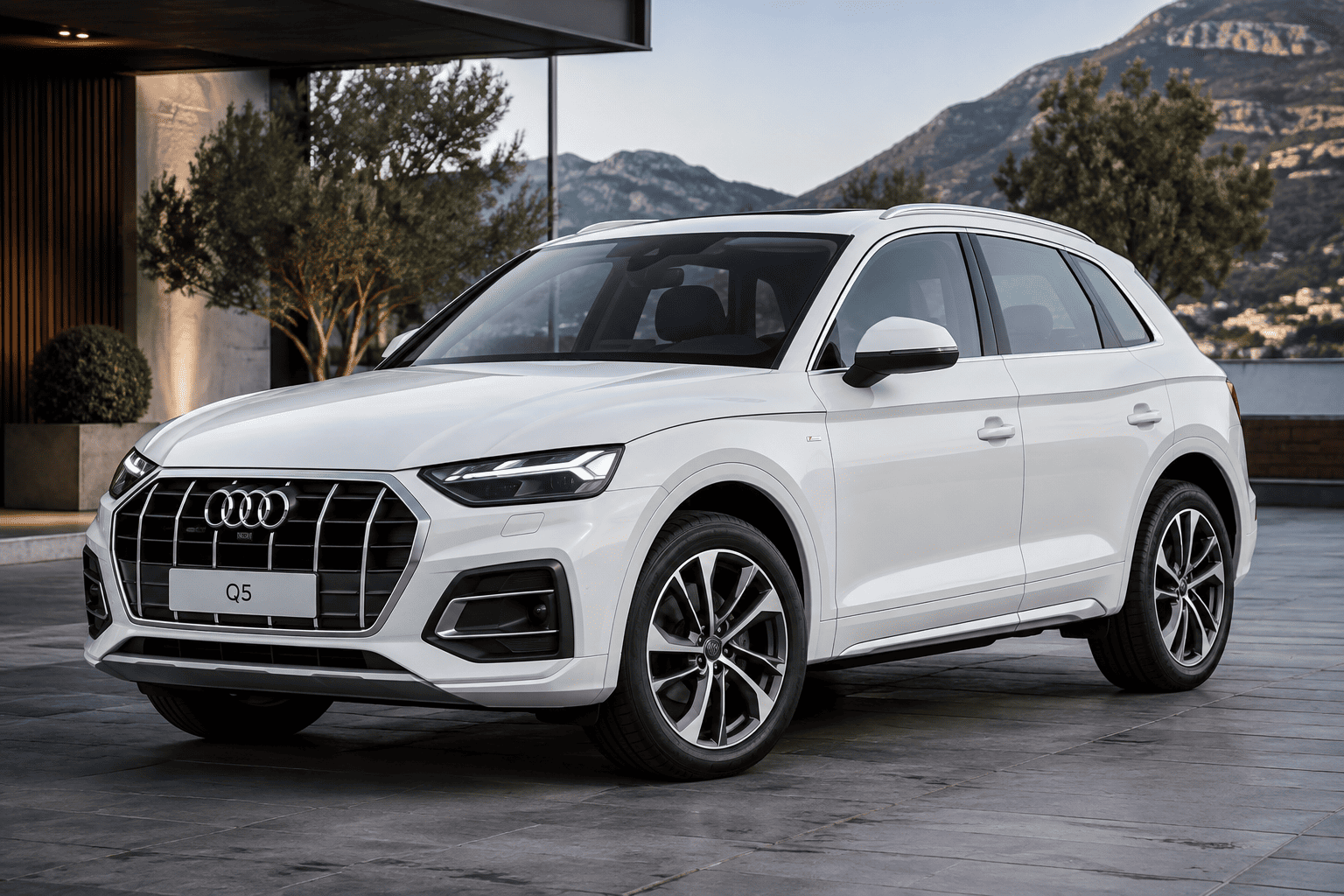
Family SUVs and Crossovers: Multi-row utility platforms utilized for school carpools, grocery shopping, and towing small watercraft.
Personal Pickup Trucks: Light-duty trucks like the Ford F-150 or Chevy Silverado, provided you use them for personal towing and home improvement runs.
Private Recreational Vehicles (RVs): Massive motorhomes and travel trailers, provided you operate them strictly for vacation and leisure purposes.
The Blurred Lines: Mixed-Use and the Gig Economy Trap
The rapid expansion of the modern gig economy has completely blurred the lines of traditional vehicle classification. Millions of drivers utilize their personal, non-commercial hatchbacks to earn side income through ridesharing networks and food delivery applications. Consequently, this blending of personal and business activities creates a dangerous legal gray area that catches many independent operators completely off guard.
The Insurance Trap: If you experience an accident while delivering food or carrying a paid rideshare passenger, a standard non-commercial insurance policy will routinely deny your claim. You must add a specific business use endorsement to bridge the gap between personal leisure and commercial operation.
Similarly, independent construction contractors often drive their personal pickup trucks to active job sites while hauling heavy tools. If the vehicle’s registration rests under an individual’s name, the owner might assume the truck is non-commercial. However, state state troopers can easily issue severe fines if they catch you using a light truck to transport commercial business inventory without proper authority.
The Financial Benefits of Non-Commercial Ownership
Maintaining a strict non-commercial classification saves everyday drivers an incredible amount of money and operational friction. Commercial operations face steep regulatory hurdles, while personal vehicles enjoy a streamlined, highly affordable ownership ecosystem.
| Ownership Cost Metric | Commercial Fleet Vehicles | Non-Commercial Personal Vehicles |
| Annual Insurance Premiums | High ($2,000+ per unit due to risk) | Low to Moderate ($800 – $1,500 average) |
| Mandatory DOT Inspections | Required Annually or Semiannually | Exempt (Only standard state emissions) |
| Driver Licensing Hurdles | Requires a Commercial CDL and Medicals | Requires a Standard Class Driver’s License |
| Parking and Zoning Rules | Banned in Most Residential Neighborhoods | Allowed to Park Freely in Residential Driveways |
As shown in the comparative matrix above, non-commercial vehicles escape the costly red tape that drains business capital. Insurance providers offer significantly lower premiums because personal vehicles accumulate fewer annual miles than industrial delivery fleets. Furthermore, you can park your personal SUV directly in your home driveway without violating strict municipal zoning laws.
Navigating Heavy Non-Commercial Equipment: The RV Exception
The absolute largest exception to standard weight boundaries involves the recreational vehicle and motorhome industry. Many luxury class-A motorhomes and luxury fifth-wheel travel trailers weigh well over 30,000 pounds when fully loaded. Under normal commercial conditions, a vehicle of this immense scale would instantly require a professional Commercial Driver’s License (CDL).
Because you operate these massive vehicles solely for personal recreation, federal guidelines explicitly exempt them from commercial designations. However, individual states like California and Texas enforce unique laws, requiring special non-commercial Class A or Class B licenses for heavy rigs. Therefore, you must always audit your local DMV regulations before piloting a massive recreational platform across state lines.
Summary: Protecting Your Personal Vehicle Classification
Ultimately, staying safely within the non-commercial vehicle classification depends entirely on how you utilize your transportation assets. By ensuring your vehicle stays clear of commercial weight, passenger, and business profit triggers, you protect yourself from expensive regulatory burdens. Treat your personal vehicle as a tool for lifestyle freedom, monitor your mixed-use habits carefully, and enjoy the streamlined simplicity of non-commercial ownership.