






The automotive industry influences global economics, personal freedom, and technological innovation. From early steam-powered contraptions to today’s artificial intelligence-driven supercomputers on wheels, cars have continually transformed human society.
Consequently, understanding the broad landscape of “Total Automobiles” requires examining how vehicles are manufactured, marketed, powered, and integrated into our daily lives. This comprehensive guide breaks down the core structural components, historical pivots, and future breakthroughs defining the modern automotive ecosystem.
1. The Core Segments of Total Automobiles
To fully understand the vast scale of the automotive world, we must categorize vehicles by their structural intent and configuration. The industry generally splits total automobiles into three fundamental pillars.
Passenger Vehicles
These vehicles focus primarily on moving individual people and families.
Sedans and Hatchbacks: These traditional layouts offer exceptional fuel economy and everyday utility.
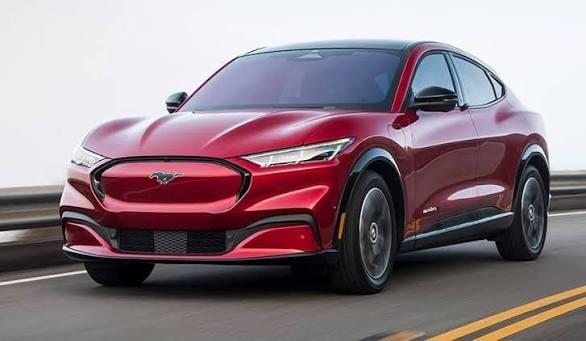
SUVs and Crossovers: Sports Utility Vehicles (SUVs) combine elevated seating positions with versatile cargo space. They currently dominate global consumer market shares.
Coupes and Convertibles: These specialized models emphasize performance, sleek aesthetics, and open-air driving dynamics.
Commercial Vehicles
Businesses and logistics networks rely on commercial fleets to maintain supply chains.
Light Commercial Vehicles (LCVs): This category includes delivery vans and pickup trucks used for regional transport.
Heavy Commercial Vehicles (HCVs): Large semi-trucks, tractor-trailers, and specialized construction vehicles move the bulk of global freight.
Buses and Coaches: These high-occupancy vehicles form the foundational backbone of municipal public transit systems.
Special Purpose and Performance Vehicles
Hypercars and Supercars: Low-volume machines built by brands like Ferrari and Bugatti push the absolute boundaries of aerodynamic engineering.
Off-Road and Utility Vehicles: Purpose-built ATVs and agricultural machinery conquer rugged terrain where standard passenger cars cannot travel.
2. Evolution of Powertrains: From Ice to Electron
Engine technology is experiencing its most significant paradigm shift since Henry Ford revolutionized the assembly line. Because environmental regulations and consumer preferences are evolving rapidly, manufacturers maintain a diversified powertrain portfolio.
[Internal Combustion (ICE)] ➔ [Hybrid / Plug-In (PHEV)] ➔ [Battery Electric (BEV)]
Internal Combustion Engines (ICE)
Traditional gasoline and diesel engines operate through controlled mini-explosions inside metal cylinders. Although environmental scrutiny is rising, advanced thermal management systems and turbocharging keep modern ICE platforms highly efficient. As a result, internal combustion remains a massive global force, especially in commercial transport.
Hybrid Vehicles (HEV and PHEV)
Hybrids represent a highly practical bridge for drivers who face public charging infrastructure gaps. Standard hybrids capture kinetic energy through regenerative braking to charge a small battery pack. Conversely, Plug-In Hybrids (PHEVs) and Extended-Range Electric Vehicles (EREVs) feature larger battery packages. These systems allow commuters to drive entirely on electric power for short trips while retaining a gas engine for longer journeys.
Battery Electric Vehicles (BEV)
Electric cars replace pistons and fuel lines with heavy battery packs and compact electric motors. Instead of using expensive nickel-manganese-cobalt chemistry, automakers are increasingly shifting to Lithium Iron Phosphate (LFP) batteries. This transition reduces production costs because LFP chemistry eliminates expensive minerals like cobalt. Furthermore, LFP cells are chemically stable, which drastically reduces the risk of overheating.
3. How Automobiles Are Built: The Modern Production Line
Building a modern car requires an incredible display of manufacturing synchronization. Raw steel, plastics, and microchips undergo thousands of distinct steps before a finished automobile rolls off the assembly line.
[Stamping] ➔ [Welding / Body Shop] ➔ [Paint Shop] ➔ [Final Assembly] ➔ [Quality Inspection]
Step 1: Stamping and Shaping
Giant hydraulic presses exert thousands of tons of force to stamp flat sheets of steel or aluminum into distinct body panels. These include hoods, doors, and side frames.
Step 2: The Body Shop (Welding)
Automated robotic arms precisely weld, glue, and rivet the stamped panels together. This process builds the core structural frame of the vehicle, which engineers call the body-in-white (BIW).
Step 3: The Paint Shop
The bare steel frame goes through extensive chemical baths to prevent rust and corrosion. Next, robotic sprayers apply primer, base color coats, and a protective clear coat in a strictly dust-free cleanroom environment.
Step 4: Final Assembly
This phase brings the vehicle to life. Workers install the engine or electric motor, insert the glass windows, lay down the interior carpeting, and mount the seats. Concurrently, the vehicle receives miles of electrical wiring alongside its core infotainment screens.
Step 5: Quality Inspection and Testing
Every total automobile undergoes dynamic tracking tests before it leaves the factory gates. Teams test the brakes, check wheel alignment, and blast the vehicle with high-pressure water to check for cabin leaks.
4. The Rise of Software-Defined Vehicles (SDVs)
Historically, buying a car meant purchasing a fixed piece of mechanical hardware. If you wanted a new feature, you had to buy a completely new vehicle. Today, the industry has shifted toward Software-Defined Vehicles (SDVs).
Modern automobiles are essentially high-performance computers wrapped in sheet metal. By separating the vehicle’s physical hardware from its digital architecture, manufacturers can modify your car long after you purchase it.
The Power of Over-the-Air (OTA) Updates: Automakers routinely deploy OTA software patches to fix minor glitches, optimize battery range, and even enhance braking performance remotely.
However, this digital shift brings unique challenges. Some brands now lock convenient luxury features, like heated seats or adaptive cruise control, behind monthly subscription paywalls. While this framework creates recurring revenue streams for car brands, it changes the fundamental concept of vehicle ownership for the consumer.
5. Global Market Dynamics: Major Auto Brands
The global automotive landscape is highly consolidated, with a few massive corporate groups managing a majority of the world’s recognizable car brands.
| Automotive Group | Core Focus Areas | Notable Market Strengths |
| Toyota Motor Corp. | Hybrids, Hydrogen, Mass-Market Reliability | Holds the position as the world’s most valuable automotive brand due to strong global hybrid sales. |
| Volkswagen Group | Multi-brand volume, Premium ICE, Modular EV Platforms | Maintains massive production scale across Europe and South America via brands like Škoda, Audi, and Porsche. |
| Stellantis | Global scale, American trucks, European city cars | Leverages a diverse portfolio including Jeep, Ram, Peugeot, and Fiat to capture varied regional markets. |
| BYD & Geely Groups | Aggressive EV scaling, Vertical supply chain integration | Dominating the Asian and European markets with affordable electric platforms and robust in-house battery manufacturing. |
| Tesla | Pure-play BEVs, Full Self-Driving (FSD) software ecosystem | Leads the industry in charging infrastructure network integration, despite facing intense competition from legacy brands. |
6. Autonomy and the Future of Mobility
Autonomous driving technology is moving from experimental testing directly into real-world commercial operations. The Society of Automotive Engineers (SAE) categorizes this technological progression using a clear tier framework.
Level 2 (Partial Automation): The vehicle handles steering and acceleration simultaneously, but the driver must remain fully alert and monitor the road constantly.
Level 3 (Conditional Automation): The car drives itself under specific highway conditions, but the human pilot must intervene immediately when the system requests help.
Level 4 (High Automation): The vehicle handles all driving tasks inside designated geographic areas. Passengers can sleep or read without needing to take over.
Level 5 (Full Automation): The vehicle operates completely driverless in any environment, on any road, anywhere on earth.
[Level 2: Driver Monitors] ➔ [Level 3: Car Monitors Specially] ➔ [Level 4/5: No Human Driver Needed]
Robotaxis are already shuffling passengers around a variety of major metropolitan cities. While safety concerns initially caused public skepticism, long-term safety data shows that autonomous fleets encounter fewer injury-causing collisions than distracted human drivers. Moving forward, the widespread implementation of Automatic Emergency Braking (AEB) systems is dramatically reducing accidents at higher highway speeds.
7. Essential Automotive Maintenance Practices
Owning an automobile requires consistent maintenance to ensure safety, preserve resale value, and maximize fuel efficiency. Neglecting these core responsibilities can shorten your vehicle’s operating lifespan.
Fluid Management
Engine oil reduces friction between moving metallic parts. Therefore, owners should replace it according to manufacturer intervals—typically every 5,000 to 10,000 miles. Additionally, regularly check transmission fluid, brake fluid, and engine coolant to prevent catastrophic system failures.
Tire Maintenance
Tires are the only structural points connecting your vehicle to the pavement. Keep them inflated to the exact pressures listed on your car’s door jamb sticker to improve gas mileage. Furthermore, rotating your tires every 6,000 miles ensures even tread wear and extends their overall lifespan.
Braking Systems
Brake pads wear down naturally through friction over time. If you hear squealing noises when applying the brakes, it means the friction material is thin and requires immediate replacement. Inspecting the brake rotors ensures your car stops reliably in emergency scenarios.
Conclusion: Driving into Tomorrow
The world of total automobiles is changing faster than ever before. While the classic roaring internal combustion engine still commands respect, the quiet efficiency of electric powertrains and the convenience of software-defined features are rapidly taking over.
Ultimately, the future of the automotive industry lies in seamless connectivity, eco-friendly manufacturing, and safer autonomous systems. Whether you are an everyday commuter, an aspiring mechanic, or a car enthusiast, staying informed about these changes will help you navigate the evolving open road ahead.