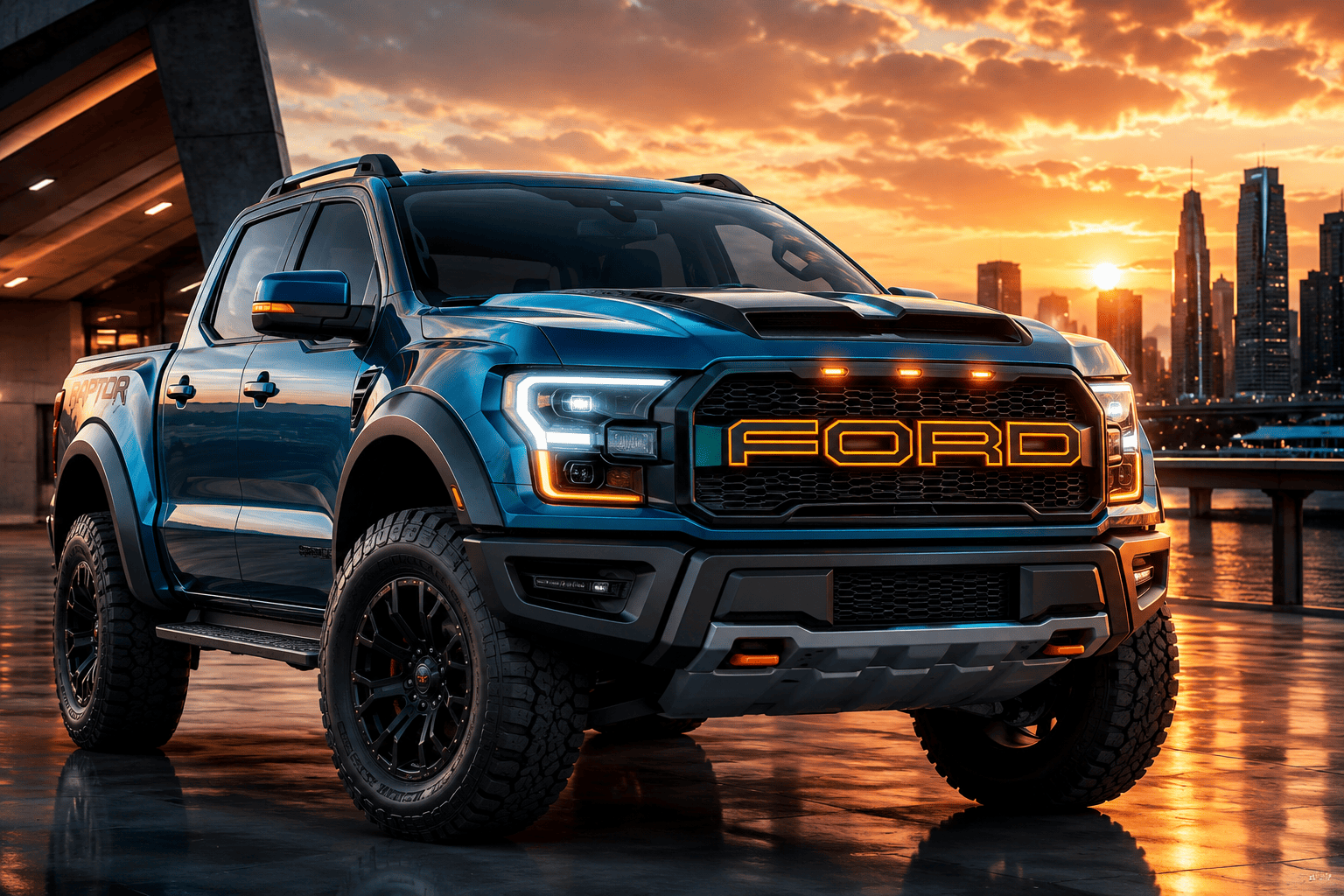





Whether you want to protect expensive tools from thieves or keep your camping gear dry during a rainstorm, investing in a truck cap (also called a camper shell or bed topper) changes how you use your pickup.
Among the top manufacturers in the industry, A.R.E. Truck Caps has maintained a reputation for premium quality since 1969. However, these custom-built covers require a financial investment, and selecting the wrong model can lead to buyer’s remorse.
This comprehensive guide breaks down the A.R.E. lineup, explores the choice between fiberglass and aluminum, and details what you must check before making a purchase.
Why Choose an A.R.E. Truck Cap?
Unlike universal, one-size-fits-all bed covers, A.R.E. builds every truck cap to match your vehicle’s specific make, model, year, and bed length. The company manufactures its toppers in Ohio, using exact specifications to match your factory paint code.
Beyond aesthetics, a high-quality topper significantly improves utility. It transforms an open cargo bed into a weatherproof, locking vault. Furthermore, a cap smooths out the aerodynamic profile of your truck, which often reduces wind drag on the highway.
Fiberglass vs. Aluminum: Which Material Fits Your Lifestyle?
A.R.E. builds its product line around two primary material systems. Understanding their differences will help you narrow down your options quickly.
1. Fiberglass: Best for Style, Comfort, and Camping
Recreational drivers usually choose fiberglass because it matches the body lines and automotive paint of modern trucks.
Aesthetics: The seamless molding mimics the factory look of an SUV.
Insulation: Fiberglass naturally dampens road noise and regulates temperature much better than metal. This quality makes it the superior choice if you plan to sleep in your truck bed.
Weight: These units weigh between 150 and 200 pounds, requiring multiple people to install or remove them.
2. Aluminum: Best for Work, Fleets, and Budget
A.R.E. utilizes aircraft-quality, industrial-grade aluminum ($0.063$ skin thickness on heavy-duty models) to build its commercial lines.
Durability: Aluminum resists rust, corrosion, and heavy impacts without cracking.
Weight Savings: These shells are much lighter than fiberglass, preserving your payload capacity and making removal easier.
Utility: Industrial models support heavy toolboxes, side-access panels, and ladder racks.
The Core A.R.E. Product Lineup
A.R.E. divides its catalog into distinct series. Each series addresses specific needs for styling, headroom, or heavy labor.
The Z Series (The Premium Standard)
The Z Series represents the highest tier of automotive styling. It features a completely frameless design, meaning the side windows and rear door blend into the fiberglass shell without visible metal rims or rivets. Standard features include a dark tint on the glass, a front picture window, and an interior fabric liner that prevents condensation.
The CX & V Series (The Balanced Classics)
If you want the clean look of fiberglass without paying a premium price, these traditional models offer the best balance. The V Series uses framed, sliding windows that maximize airflow for dogs or cargo. The CX Series upgrades the design with sleek, flush-mount side windows. Both models feature robust fiberglass construction and a single T-handle lock on the rear door.
The MX Series (The High-Roof Traveler)
If you haul dirt bikes, large appliances, or camping gear, standard cab-height toppers can feel restrictive. The MX Series introduces a mid-high roofline, which slopes upward past your truck cab to create approximately $15\%$ more vertical clearance. This design also utilizes a taller rear door, giving you a wider field of view when you look through your rearview mirror or back up a trailer.
The HD Series (The Internal Exoskeleton)
Standard fiberglass roofs usually support only 150 to 200 pounds of weight. If you plan to mount a heavy rooftop tent or industrial lumber racks, you need the HD Series. Available within the CX and MX body shapes, the HD Series incorporates an internal aluminum framework. This structural skeleton transfers weight directly to your truck bed rails, tripling the roof load capacity to 550 pounds.
The DCU Series (Deluxe Commercial Unit)
Built purely for contractors, tradespeople, and mobile workshops, the DCU series utilizes fully welded aluminum frames. Instead of traditional windows, buyers can choose solid aluminum side doors that lift open to reveal custom toolboxes, dividers, and parts bins.
Key Features and Customization Options
When you order a custom A.R.E. cap, you do not just select a shell. You also configure individual parts to build your ideal setup. Consider these critical options:
Rear Door Upgrades: Standard models feature a framed glass door with dual T-handles. Premium models offer an all-glass curved door with a centered handle. For maximum convenience, you can add keyless entry, which links the cap lock to your truck’s factory key fob.
Window Configurations: If you need to reach items at the front of your bed without crawling inside, choose “Petermann” or “Win-doors.” These specialized side windows hinge at the top and swing completely open.
Interior Lighting: Skip the basic battery-powered click lights. A.R.E. offers integrated LED light strips that wire directly into your truck’s electrical system, automatically illuminating your cargo space when you open the rear door.
Roof Racks: A.R.E. partners with premium brands like Yakima to offer factory-installed tracks and crossbars. Ordering these upfront ensures the mounting holes are professionally drilled and sealed against leaks.
Important Considerations Before You Buy
Before heading to a local dealer to place an order, review these practical realities of truck cap ownership:
1. Understanding the Warranty
A.R.E. offers a Limited Lifetime Warranty on all structural fiberglass shells and factory paint jobs for the original owner. If the clear coat peels or the fiberglass cracks under normal use, the company covers it. However, commercial aluminum models (like the DCU) carry a shorter 3-year structural warranty, reflecting the harsh conditions of job sites.
2. Lead Times and Logistics
Because every cap is custom-built to match your vehicle’s paint color and bed size, you cannot simply pick one up off a showroom floor. Factory manufacturing and shipping times generally range from 4 to 8 weeks.
3. Professional Installation is Essential
While you can theoretically clamp a cap onto your bed rails at home, professional installation ensures a proper seal. Dealers apply automotive-grade foam bulb seals to prevent water leaks. They also handle the complex electrical wiring required for the third brake light and keyless entry systems.
Comparison Table: Popular A.R.E. Fiberglass Models
| Model Series | Roof Height | Design Style | Best For |
| Z Series | Cab-High | Frameless Glass | Luxury look, clean styling |
| CX Series | Cab-High | Flush-Mount Frame | Daily utility, outdoor gear |
| MX Series | Mid-High | Sloped Roof | Camping, extra headroom |
| HD Series | Cab-High / Mid-High | Reinforced Frame | Rooftop tents, heavy racks |
Final Verdict: Is an A.R.E. Truck Cap Worth It?
An A.R.E. truck cap requires a notable financial investment, with base prices typically starting around $2,000 for simple models and exceeding $4,500 for fully optioned commercial or heavy-duty builds.
If you view your truck bed as an adaptable tool, the security, weatherproofing, and structural integrity of an A.R.E. shell justify the cost. For campers, tradespeople, and road-trippers who want to maximize their vehicle’s utility without compromising on style, these American-made toppers remain a benchmark industry standard.