







When you think of Audi, you likely picture precision engineering, Autobahn-ready performance, and luxury refinement. While the brand remains deeply rooted in its German heritage, its modern manufacturing ecosystem spans multiple continents.
Understanding exactly where your vehicle is assembled reveals a complex network of high-tech facilities, strict quality controls, and evolving sustainability practices. Here is a definitive guide to Audi’s worldwide manufacturing operations.
Germany serves as the epicenter for Audi design, executive leadership, and high-performance engineering. Two core manufacturing plants handle the brand’s most prestigious and technologically advanced models.
1. Ingolstadt: Global Headquarters
Ingolstadt is more than just a factory; it is the sprawling corporate capital of Audi. As the brand’s largest assembly plant, this facility handles everything from initial sheet metal stamping to complex final electronics integration.
Key Models Built: Audi A3, A4, A5, Q6 e-tron, and the upcoming A6 e-tron.
Production Shifts: The facility is phasing out smaller legacy models like the Q2 to expand footprint space for electric vehicle (EV) lines, including the forthcoming A2 e-tron. Mid-sized SUV production steps forward too, with the Audi Q3 integrated into the line.
2. Neckarsulm: Luxury and High Performance
The Neckarsulm facility focuses heavily on engineering complexity, serving as the production hub for upper-tier luxury sedans and specialized performance lines.
Key Models Built: Audi A6, A7, A8, and premium combustion variations.
Audi Sport (Böllinger Höfe): Located just a few kilometers away, this boutique, highly automated workshop acts as the birthplace for the fully electric Audi e-tron GT. The site relies on skilled technicians and precision robotics to assemble high-performance platforms, with plans to introduce a next-generation electric sports model by 2027.
European Manufacturing Facilities
Audi scales its volume and builds component infrastructure by leveraging specialized locations across Europe. These sites supply critical parts and key platforms to global assembly lines.
+-------------------+--------------------+---------------------------------------+
| Plant Location    | Country            | Primary Production Focus              |
+-------------------+--------------------+---------------------------------------+
| Győr              | Hungary            | World's largest engine & EV motor plant|
| Bratislava        | Slovakia           | Full-size flagship SUVs (Q7, Q8)      |
| Zwickau           | Germany (VW Hub)   | Dedicated MEB electric vehicle lines  |
+-------------------+--------------------+---------------------------------------+
Győr, Hungary: The Powertrain Powerhouse
The Győr facility holds a massive responsibility within the Volkswagen Group, operating as the largest engine manufacturing plant in the world. Almost every internal combustion engine or electric powertrain driving a modern Audi originates here. Beyond building powertrains, Győr handles the complete assembly of select vehicle bodies, working in close rail-logistics partnership with German assembly lines.
Bratislava, Slovakia
This massive, shared Volkswagen Group facility boasts specialized infrastructure required to build large, heavy-weight vehicle architectures. Audi sends its premier, full-sized SUV lines here for assembly. The rugged, luxury-focused Audi Q7 and the sleek Audi Q8 roll off these specialized Slovakian production lines.
North and South American Assembly
To serve regional buyers efficiently and manage import tariffs, Audi maintains a highly strategic footprint across the Americas.
San José Chiapa, Mexico
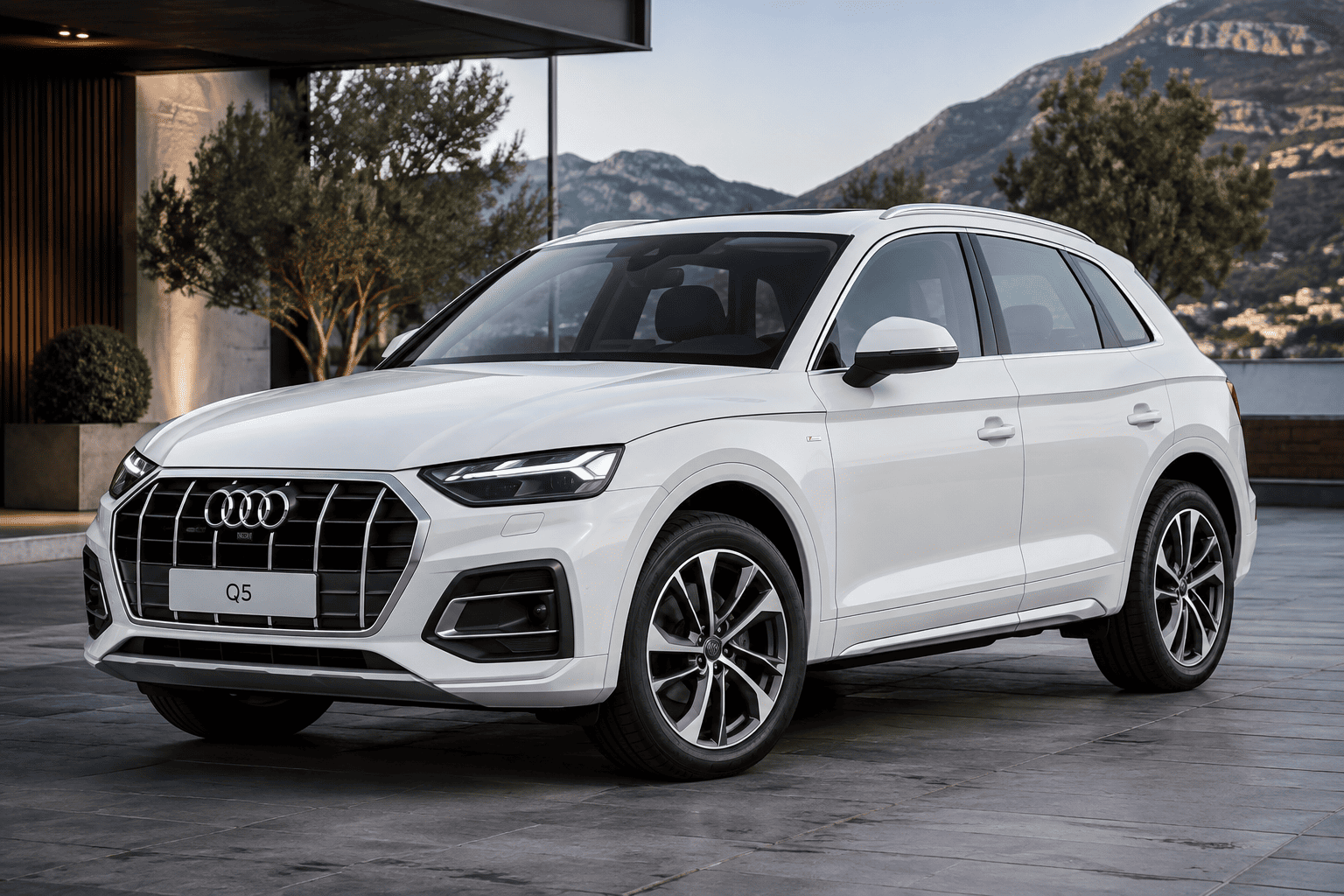
Opened as a pioneer facility, the San José Chiapa plant stands as Audi’s most advanced asset in North America. It holds a distinct historical honor: it was the first automotive factory globally to be mapped and planned entirely using Virtual Reality (VR) simulations before breaking ground.
Primary Output: The globally popular Audi Q5 and SQ5 SUVs.
Logistical Edge: Building the Q5 locally in Mexico allows Audi to supply North American markets rapidly while meeting strict regional trade agreements. To maintain European driving standards, the precision-built engines are shipped directly from Győr, Hungary, and dropped into the chassis in Mexico.
Curitiba, Brazil
Operating in partnership with Volkswagen, this South American facility utilizes semi-knocked-down (SKD) assembly processes. The plant receives highly prepared component kits from Europe, putting the finishing assembly touches on regional market variations of the Audi Q3 and Q3 Sportback.
Asian Expansion: Serving Global Markets
Asia represents an immense slice of premium automotive demand. Audi operates deeply integrated production hubs to tailor vehicles directly to regional consumer preferences.
China (Changchun, Foshan, Qingdao, Anting)
Partnering with domestic automotive giants FAW and SAIC, Audi runs seven production facilities across China. Chinese consumer tastes heavily favor extra legroom, prompting these plants to construct specialized, extended-wheelbase models like the Audi A6L and Q5L.
Chhatrapati Sambhajinagar, India
To navigate complex local import taxation laws, Audi operates an assembly plant in India. The facility receives pre-machined premium components and builds localized versions of core luxury sedans and SUVs, ensuring competitive regional pricing.
Every factory across the global manufacturing map operates under uniform corporate mandates. An Audi built in Mexico or Slovakia must meet identical structural tolerances as a vehicle rolling off the line in Ingolstadt.
       [Győr, Hungary] -------------> [Ingolstadt, Germany]
   (Powertrains & Components)       (Final Assembly & Systems)
               \                               /
                \                             /
                 v                           v
           [Strict Global Quality & Calibration Check]
A major pillar of modern production is Mission:Zero, Audi’s environmental program aimed at achieving net carbon-neutral production footprints worldwide. The Brussels, Belgium facility reached certified carbon-neutral production status early on, utilizing renewable energy and on-site solar arrays.
How to Check Where Your Audi Was Made
If you want to verify the exact origin of your personal vehicle, you can decode the answers instantly using your car’s 17-character Vehicle Identification Number (VIN). This unique string sits stamped on a plate on top of your dashboard (visible through the driver-side windshield) or inside the driver-side door jamb.
Look directly at the first character of the VIN to determine the assembly country:
W = Germany
WA through W0 = Germany (Standard Audi AG)
3 = Mexico (Typical for North American market Q5 models)
V = Slovakia (Typical for Q7 and Q8 models)
T = Hungary
Next, look closely at the eleventh character of your VIN. This single letter identifies the exact manufacturing plant:
A or D = Ingolstadt, Germany
N or R = Neckarsulm, Germany
1 = Győr, Hungary
2 = Changchun, China
H = Bratislava, Slovakia
7 = San José Chiapa, Mexico