




Introduction
Regular car maintenance is one of the simplest ways to improve road safety and prevent unexpected breakdowns. Following essential car safety maintenance tips can help U.S. drivers identify problems before they become dangerous or expensive. A well-maintained vehicle is more likely to perform reliably in traffic, during long road trips, and in changing weather conditions.
Important maintenance areas include brakes, tires, engine fluids, lights, and the battery. Worn brake pads can increase stopping distances, while underinflated or damaged tires can reduce traction and handling. Checking engine oil, coolant, brake fluid, and other essential fluids can also help protect critical components. Working headlights, brake lights, and turn signals improve visibility and help other drivers understand your actions on the road.
Small vehicle problems should never be ignored. A minor fluid leak, weak battery, unusual brake noise, or worn tire can develop into a costly repair if left untreated. Regular inspections can save money and reduce the risk of roadside emergencies.
For drivers across the United States, the best approach is to follow the vehicle owner’s manual and recommended maintenance schedule. These simple habits can extend vehicle life, improve performance, and help keep you and other road users safer.
Why Are Car Safety Maintenance Tips Important?
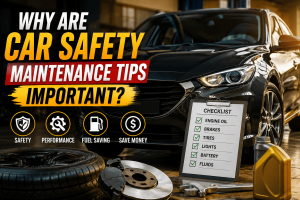
Following car safety maintenance tips helps U.S. drivers keep their vehicles reliable and safe on the road. Regular inspections can identify worn brakes, damaged tires, weak batteries, fluid leaks, and faulty lights before they cause serious problems. Preventive maintenance also reduces the risk of unexpected breakdowns, especially during long trips or extreme weather. Keeping your vehicle in good condition can help prevent accidents and improve overall driving reliability. Routine service may also extend your car’s lifespan by addressing small issues before they become expensive repairs. Always follow the maintenance schedule in your owner’s manual and schedule professional inspections when needed.
Check Your Tires Regularly
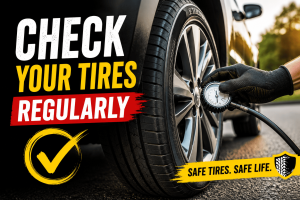
Regular tire checks are essential car safety maintenance tips for U.S. drivers. Check tire pressure when the tires are cold and follow the PSI listed on your vehicle’s door-jamb label. Proper pressure improves handling, braking, fuel economy, and tire life.
Inspect the tread regularly and replace tires when tread depth reaches the legal or safety limit. Look for uneven wear, cracks, bulges, or punctures that could cause a blowout. Rotate and balance your tires according to the manufacturer’s recommended schedule. Regular rotation promotes even tread wear and helps your vehicle handle safely on highways, city roads, and during changing weather conditions.
Inspect Your Brakes
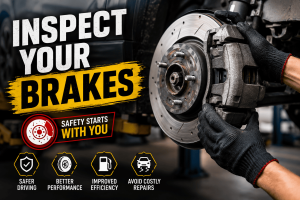
Inspecting your brakes regularly is one of the most important car safety maintenance tips for U.S. drivers. Check the brake pads and rotors for wear, damage, or uneven surfaces. Thin brake pads may reduce stopping power and should be replaced promptly. Listen for squealing, squeaking, or grinding sounds when braking, as these can signal worn components. Also, pay attention to steering-wheel or pedal vibration when you brake. These signs may indicate warped rotors or other brake problems. If braking feels weak, the vehicle pulls to one side, or warning lights appear, schedule professional brake service immediately. Always follow your vehicle owner’s manual for recommended brake inspections and maintenance.
Follow These Battery Maintenance Tips
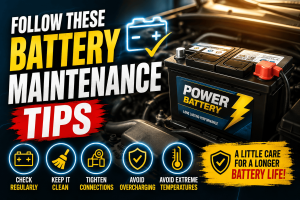
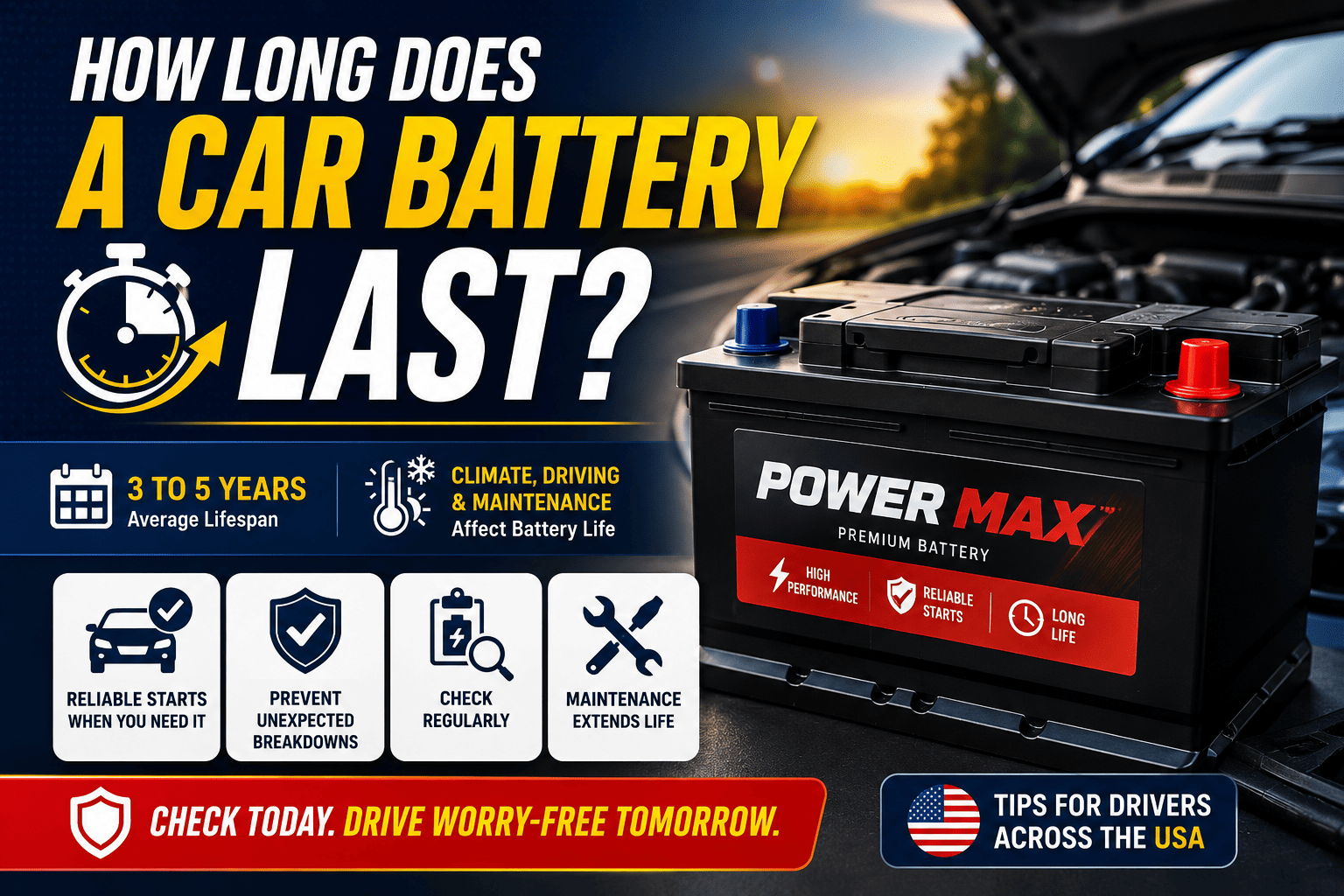
Following simple battery maintenance tips can help U.S. drivers avoid unexpected starting problems. Start by checking the battery terminals for corrosion, dirt, or loose connections. Clean buildup carefully and make sure the terminals are tight. Next, test the battery regularly, especially if it is several years old. Slow engine cranking, dim headlights, or repeated starting issues can signal a weak battery. Extreme weather also affects battery performance. High temperatures can shorten battery life, while freezing temperatures reduce starting power. Drivers in hot states should inspect batteries more often, while those facing cold winters should keep the battery fully charged and properly maintained.
Check Engine Oil and Other Fluids
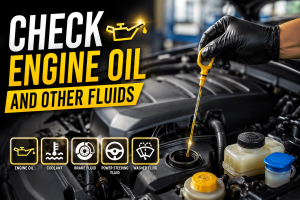
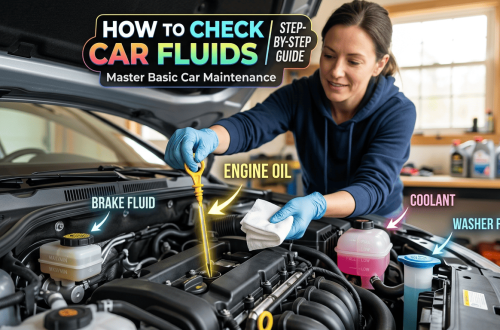
Regular fluid checks are essential car safety maintenance tips for U.S. drivers. Start with the engine oil and check its level when the engine is cool. Use the oil grade recommended in your owner’s manual and follow the manufacturer’s oil-change schedule. Check the coolant level and inspect for leaks, but never open a hot cooling system. For brake fluid, inspect the reservoir and watch for low levels, which may indicate a problem. Transmission fluid must stay at the proper level for smooth, reliable shifting. Follow your vehicle manufacturer’s recommendations for checking or servicing it. Finally, keep windshield washer fluid filled and choose a season-appropriate formula.
Check Your Lights and Visibility
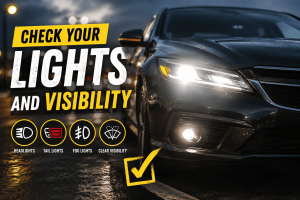
Checking your vehicle’s lights is one of the most important car safety maintenance tips for U.S. drivers. Inspect your headlights regularly to ensure they provide clear visibility at night and during bad weather. Test both brake lights so drivers behind you can react quickly when stopping. Check your turn signals and hazard lights to make sure they work properly. Replace damaged or burned-out bulbs as soon as possible. Also, keep headlights, taillights, windows, and mirrors clean for better visibility. Dirt, snow, or road grime can reduce what you see. Before driving, make sure all exterior lights work properly and remain clearly visible to other motorists.
Replace Windshield Wipers When Needed
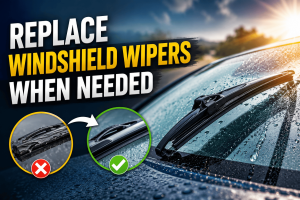
Worn windshield wipers can reduce visibility and make driving unsafe, especially during heavy U.S. rainstorms. Replace wiper blades when they leave streaks, skip across the glass, make unusual noises, or show cracks and damage. Check them regularly and replace damaged blades promptly. Keep windshield washer fluid available and refill the reservoir when it gets low. Clean wipers can help remove rain, dirt, and road debris from your windshield. Clear visibility is essential for spotting vehicles, pedestrians, road signs, and hazards. For safer driving, inspect your wipers regularly and choose replacement blades that fit your vehicle according to the owner’s manual.
Inspect Belts and Hoses
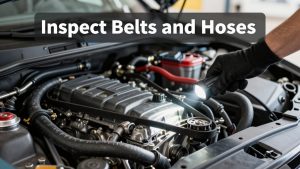
Inspecting belts and hoses is an important part of car safety maintenance tips. Check drive belts for cracks, splits, or signs of wear. Look for fraying along the edges, which can signal a belt may fail soon. Also inspect coolant, fuel, and other hoses for leaks, swelling, soft spots, or visible damage. A broken belt can leave you stranded, while a leaking hose may cause overheating or engine damage. If you notice unusual squealing, fluid leaks, or severe wear, schedule a professional inspection. U.S. drivers should also follow the vehicle owner’s manual for recommended inspection and replacement intervals.
Maintain Your Vehicle’s Safety Systems
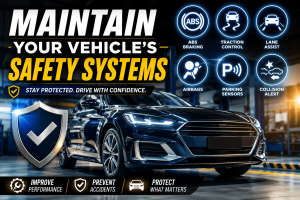
Maintaining your vehicle’s safety systems is essential for safe driving on U.S. roads. Check your airbags and watch for any dashboard warning lights. If the ABS warning light appears, have the braking system inspected as soon as possible. Also monitor the TPMS warning light, which can indicate low tire pressure or a sensor issue. Never ignore dashboard warning indicators, even if your vehicle seems to drive normally. These warnings can signal problems that may affect braking, steering, tires, or other safety features. Follow your owner’s manual for recommended inspections. If a warning remains active, schedule a professional diagnosis to identify and fix the problem safely.
Follow a Regular Car Maintenance Schedule
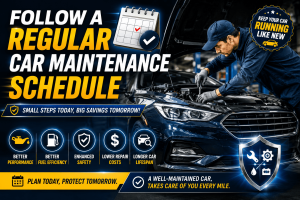
Following a regular maintenance schedule helps keep your vehicle safe, reliable, and ready for U.S. roads. Check tire pressure, tires, and exterior lights every month. Inspect the battery regularly for corrosion, damage, or loose connections. Check wipers and essential fluids regularly to maintain clear visibility and proper engine performance. Have the brakes inspected during routine service, especially if you notice squealing, vibrations, or reduced stopping power. For engine oil changes, always follow the vehicle manufacturer’s recommendations. Avoid using one universal service interval because maintenance needs vary by model, engine type, mileage, climate, and driving conditions. Your owner’s manual provides the best schedule for your specific vehicle.
Car Safety Maintenance Tips Before a Road Trip
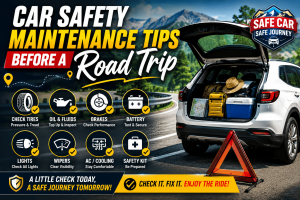
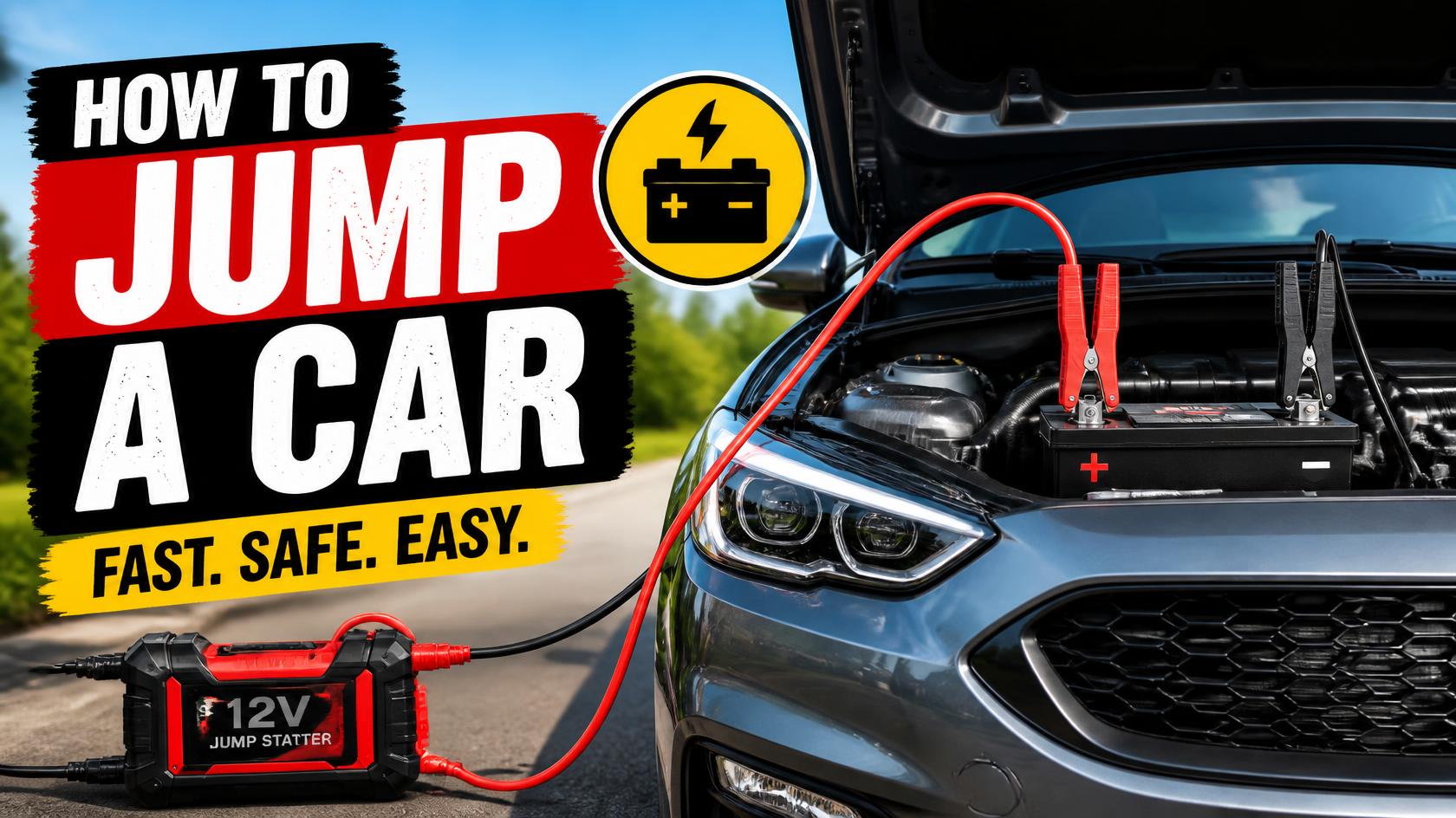
Before a long drive, follow these car safety maintenance tips to help prevent breakdowns and stay safe on U.S. roads. Check your tire pressure and inspect the spare tire for proper inflation and damage. Check the engine oil and coolant levels before leaving. Test the battery, especially before extreme summer or winter travel. Inspect the brakes for unusual noise, vibration, or reduced stopping power. Make sure headlights, brake lights, turn signals, and hazard lights work properly. Replace worn windshield wipers for clear visibility during rain. Finally, keep an emergency kit with jumper cables, a flashlight, water, basic tools, and first-aid supplies.
Common Car Maintenance Mistakes to Avoid
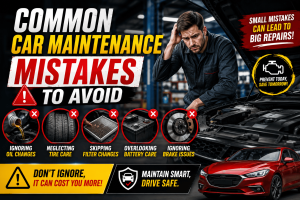
Avoiding common car maintenance mistakes can improve safety and help prevent costly repairs for U.S. drivers. Never ignore dashboard warning lights, as they can signal serious problems. Check tire pressure regularly and avoid driving on underinflated or worn tires. Delaying brake repairs can reduce stopping power and increase safety risks. Inspect your battery for corrosion and clean the terminals when needed. Follow the recommended oil-change schedule in your owner’s manual. Always use the correct engine oil, coolant, and other fluids for your vehicle. Finally, schedule seasonal inspections before summer and winter driving to keep your car reliable and road-ready.
When Should You Take Your Car to a Mechanic?\
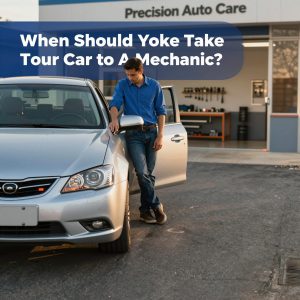
Knowing when to see a mechanic is an important part of car safety maintenance tips for U.S. drivers. Get professional help if you notice brake problems, such as grinding or a soft pedal. A battery that repeatedly dies may signal a charging or electrical issue. Engine overheating should be checked immediately to prevent costly damage. Oil or coolant leaks also require prompt attention. Never ignore a check-engine light, especially when it flashes. Steering problems can affect control and safety. Suspension noises, such as clunking, may indicate worn parts. Unusual vibrations while driving can also signal tire, brake, or suspension problems that need inspection.
Final Verdict: Car Safety Maintenance Tips
Following simple car safety maintenance tips can help U.S. drivers stay safer and avoid costly repairs. Check your tires regularly for proper pressure, tread wear, and damage. Inspect your brakes for unusual noises, vibrations, or reduced stopping power. Follow the recommended service schedule for oil, fluids, filters, lights, and other essential components. Our battery maintenance tips can also help extend battery life and reduce unexpected starting problems. Always follow your vehicle owner’s manual because maintenance schedules vary by make, model, mileage, and driving conditions. For safer trips, inspect your vehicle before long drives and address warning signs promptly.
Frequently Asked Questions About Car Safety Maintenance Tips
How often should I check my car for safety issues?
Check your car at least once a month. Inspect the tires, brakes, lights, fluids, and battery. Also check your vehicle before long road trips.
What are the most important car safety maintenance tips?
Check your brakes, tires, lights, fluids, and battery regularly. Follow the maintenance schedule in your owner’s manual for your vehicle.
How often should I check my car battery?
Check your car battery every few months. Look for corrosion, loose connections, or damage. Most car batteries last about 3–5 years.
What are the best battery maintenance tips?
Keep the battery terminals clean and tight. Check for corrosion and make sure the battery is securely mounted. Test the battery before extreme summer or winter weather.
How often should I check my tire pressure?
Check your tire pressure at least once a month and before long trips. Use the recommended pressure listed in your owner’s manual or the driver’s door label.
When should I replace my brake pads?
Brake pads often need replacement around 30,000–70,000 miles, but this varies by vehicle and driving habits. Replace them sooner if you hear squealing or grinding.
What car maintenance should I do before a road trip?
Check the tires, brakes, oil, coolant, lights, wipers, and battery. Also check tire pressure and inspect your spare tire before leaving.