









Car Repair Hacks in 2026 can help U.S. drivers handle simple maintenance tasks, spot problems early, and avoid unnecessary repair bills. Basic car care is especially useful when you know which jobs are safe to do at home and which ones require a professional. Regular maintenance can also help catch issues before they become more expensive. Modern vehicles, however, are more computerized than older cars. Many models use onboard diagnostics, electronic sensors, and vehicle-specific procedures that may require a compatible scan tool or professional equipment.
Before starting any repair, check your owner’s manual for the correct fluids, parts, specifications, service intervals, and safety instructions. Even simple tasks can vary by make and model. This guide also covers practical driving habits that can help reduce wear and protect your vehicle. The goal is simple: save money where you safely can while knowing when it is better to call a qualified technician.
Car Repair Hacks in 2026 Every Driver Should Know
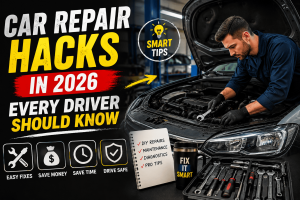
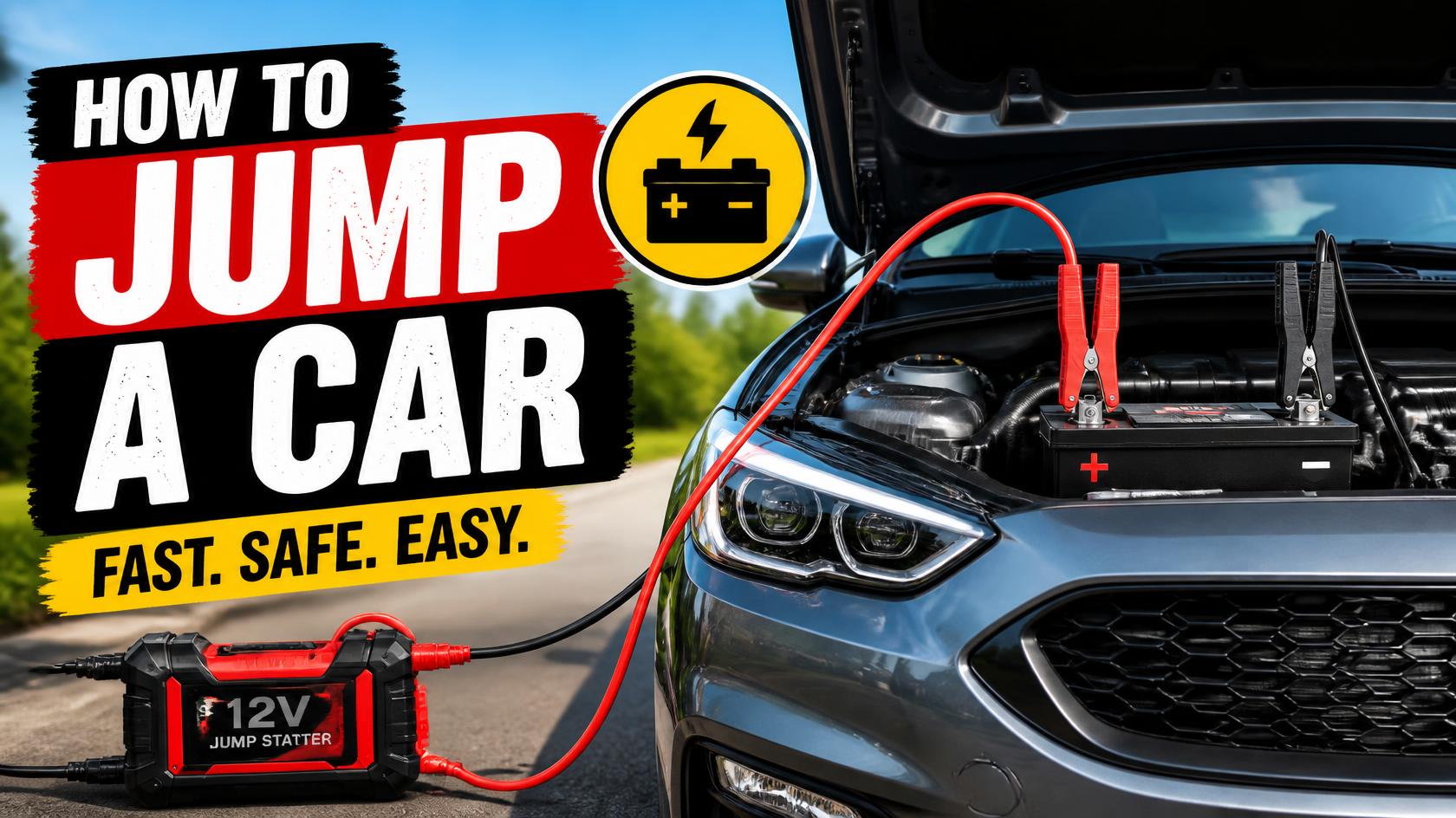
Car repair hacks in 2026 can help U.S. drivers handle simple problems, avoid unnecessary costs, and keep their vehicles safer on the road. Before starting any repair, check your owner’s manual for the correct procedures, parts, fluids, and specifications. Learn to recognize warning signs such as unusual noises, dashboard lights, fluid leaks, weak brakes, or changing tire performance before a small issue becomes an expensive repair. Keep an emergency kit with basic tools, jumper cables, a flashlight, gloves, and a tire-pressure gauge. When removing parts, take photos and label connectors, hoses, and wiring to make reassembly easier. Always use the correct replacement parts and fluids. Avoid shortcuts that may cause further damage. Most importantly, know when a repair requires a qualified mechanic, especially when safety systems, brakes, steering, high-voltage components, or major engine work are involved.
Easy DIY Car Repair Hacks for Beginners
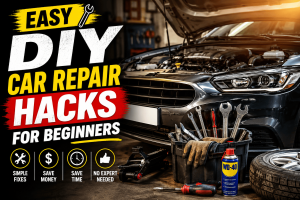
Many routine car repairs do not require an expensive trip to a repair shop. For U.S. drivers, learning a few simple DIY car repair hacks can help reduce maintenance costs and keep a vehicle ready for daily commuting, road trips, and changing weather. Beginner-friendly jobs include replacing windshield wipers, changing a cabin air filter, installing a new 12-volt battery, and replacing a blown fuse. These tasks are generally manageable when you use the correct parts and follow your vehicle’s owner’s manual.
Before starting any repair, park safely, turn the vehicle off, and use the manufacturer’s recommended specifications. Worn wipers can reduce visibility, while a dirty cabin filter can restrict airflow. Battery and fuse work also require extra care. If a fuse keeps blowing or a repair involves brakes, steering, suspension, or other safety-critical components, professional diagnosis is the safer choice.
Car Maintenance Hacks That Can Prevent Expensive Repairs
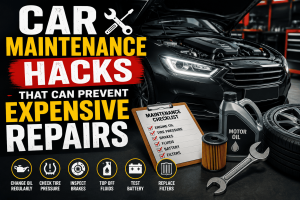
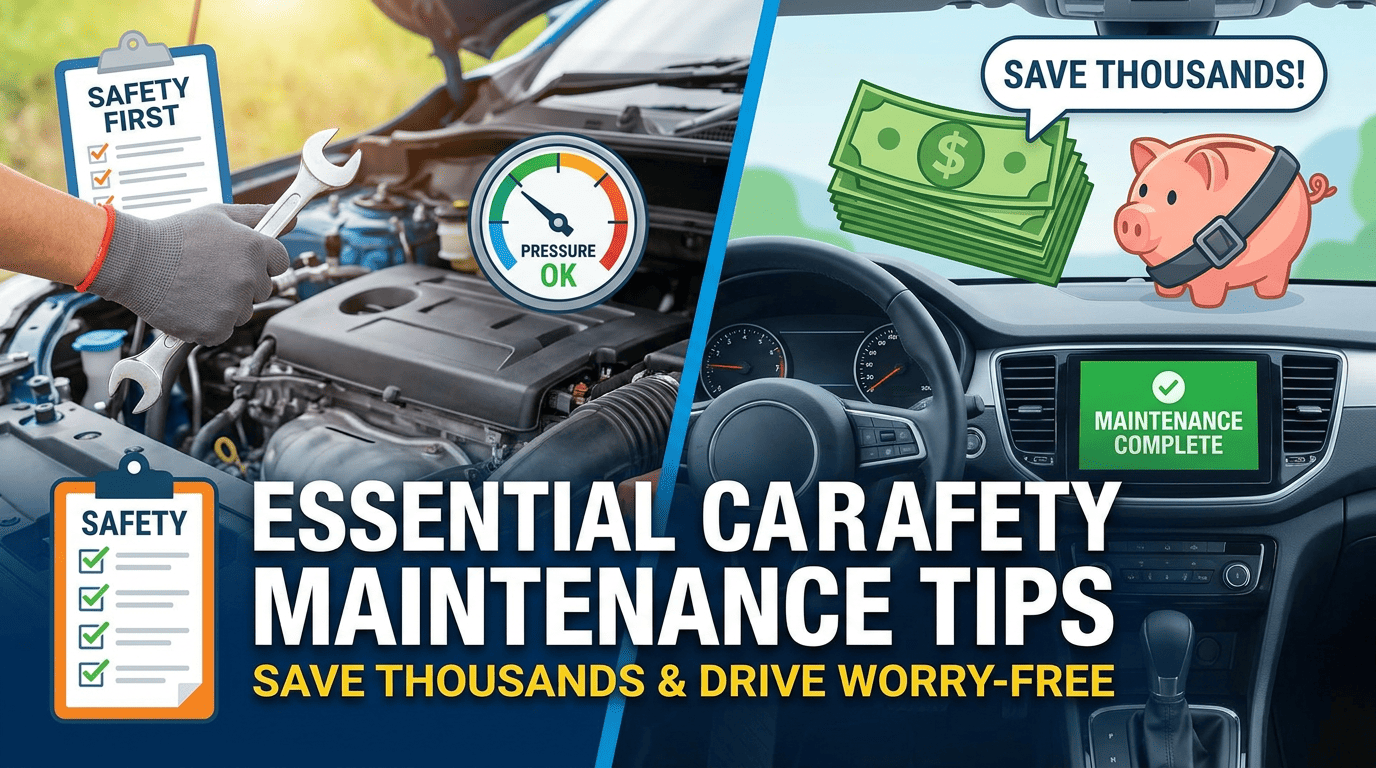
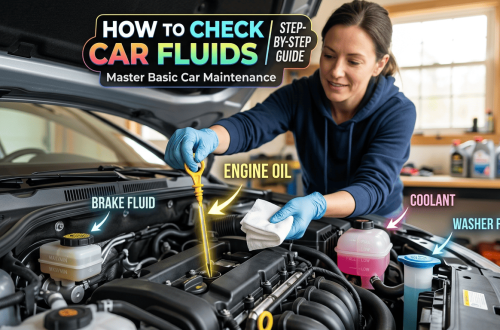
Simple maintenance can help U.S. drivers avoid costly breakdowns and extend the life of their vehicles. Start by checking the engine oil on the schedule recommended in your owner’s manual. Inspect coolant, brake fluid, transmission fluid, and other reservoirs, and look for signs of leaks. Keep your tires properly inflated and check them regularly for damage or uneven wear. NHTSA recommends checking tire pressure at least once a month when tires are cold and using the vehicle manufacturer’s recommended pressure.
Also, test your headlights, brake lights, and turn signals. Inspect visible belts, hoses, and other components for cracks or wear. Never ignore unusual noises, smells, vibrations, or dashboard warning lights. Finally, keep a simple maintenance record. Tracking oil changes, tire service, inspections, and repairs makes it easier to follow your vehicle’s maintenance schedule and catch problems before they become expensive.
Car Repair Hacks to Save Money in 2026

Car repair costs can add up quickly, but smart U.S. drivers can often reduce expenses without cutting corners on safety. The best car repair hacks in 2026 start with knowing what your vehicle actually needs before spending money on parts or labor. Compare prices from reputable parts stores, online retailers, and local repair shops before buying. For major repairs, get at least two estimates and ask for a clear breakdown of parts and labor. Some basic jobs, such as replacing wiper blades or cabin air filters, may be realistic DIY projects if your owner’s manual supports them. However, avoid replacing expensive components based only on a guess. Use diagnostic codes and professional testing when needed. Keep receipts and service records, too. They can help track maintenance, support warranty claims, and prevent unnecessary repairs. This practical, evidence-based approach focuses on useful information for drivers, consistent with Google’s people-first search guidance.
How to Diagnose Common Car Problems at Home
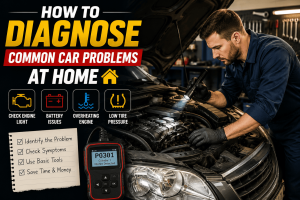
Learning how to diagnose common car problems at home can help U.S. drivers identify minor issues before they become expensive repairs. Start with simple checks and avoid replacing parts based only on assumptions. If the check engine light comes on, determine whether it is steady or flashing. An OBD-II scanner can help identify basic trouble codes, but a code does not always mean the related part has failed. If your car will not start, inspect the battery, terminals, starter, fuel system, and ignition system. For an overheating engine, pull over safely, let it cool, and never remove a hot radiator or coolant cap. Strange noises also deserve attention. Note where the sound comes from and whether it changes during braking, steering, acceleration, or changes in speed. When a problem appears dangerous, stop driving and seek professional help or towing.
How to Drive a Manual Car in 2026

Learning how to drive a manual car in 2026 is easier when you understand how the clutch, brake, accelerator, gear shifter, and parking brake work together. Start by practicing in a safe, open area before driving in traffic. Focus on finding the clutch’s friction point and moving smoothly into first gear without stalling. As you gain confidence, learn when to shift up, downshift, use engine braking, and control the car at low speeds. Avoid resting your foot on the clutch or slipping it unnecessarily, as these habits can increase clutch wear. Hill starts also require careful clutch and accelerator control. When reversing, avoid forcing the shifter into gear and make sure the vehicle is fully stopped before selecting reverse. Finally, follow your owner’s manual for transmission-fluid specifications and maintenance intervals because service requirements vary by vehicle.
Manual Driving Mistakes That Can Cause Expensive Repairs
Manual transmissions can be rewarding to drive, but small driving mistakes can cause expensive clutch and transmission repairs. For U.S. drivers, learning proper clutch control and shifting habits is one of the easiest ways to reduce unnecessary wear. Common problems include riding the clutch, holding the vehicle on a hill with the clutch, shifting at the wrong engine speed, and resting your hand on the gear lever. Forcing a gear when the clutch is not fully disengaged can also damage transmission components. Drivers should never ignore clutch slipping, grinding, hard shifting, or unusual noises because these symptoms can signal developing problems. Using the wrong transmission fluid can also affect lubrication and shifting performance. Your vehicle’s owner’s manual should always be the first source for fluid specifications and maintenance procedures.
Car Repair Hacks You Should NOT Try at Home
DIY car repair can save money, but some jobs are simply too risky for most U.S. drivers. Car Repair Hacks You Should NOT Try at Home include airbag and SRS repairs, major brake-system work, internal transmission repairs, and complex engine jobs. These systems require proper tools, training, and precise procedures. Fuel-system repairs involving major leaks can also create serious fire hazards. Modern EVs and hybrids require extra caution because their high-voltage systems can cause severe injury or death without specialized training and equipment.
You should also avoid repairs that require advanced computer programming, sensor calibration, or specialized diagnostic equipment. Never work underneath a vehicle that is not securely supported. When a repair affects critical safety systems, accurate diagnosis is more important than saving a few dollars. For these jobs, use your owner’s manual and choose a qualified repair professional. Simple maintenance is usually a safer DIY target.
Essential Car Repair Tools for Beginners
If you are new to DIY car maintenance, you do not need a professional garage full of expensive equipment. The right essential car repair tools for beginners can help you handle common jobs, diagnose warning lights, and perform basic maintenance with greater confidence. A starter kit should include an OBD-II scanner, tire-pressure gauge, socket and wrench set, screwdrivers, pliers, work gloves, and a reliable flashlight. For safety, keep a properly rated jack, jack stands, and wheel chocks available whenever lifting your vehicle. A multimeter can help with basic electrical checks, while a torque wrench helps you tighten critical fasteners to the manufacturer’s specifications. Most importantly, keep your vehicle’s owner’s manual or trusted service information nearby. It provides the correct procedures, fluid specifications, torque values, and maintenance requirements for your specific car. Start with these basics, then add specialty tools as your repair skills grow.
Seasonal Car Repair Hacks for U.S. Drivers
Seasonal driving can put extra stress on your vehicle, making simple car repair hacks useful for preventing breakdowns and costly repairs. In the U.S., extreme summer heat, freezing winter temperatures, and long road trips can affect tires, batteries, fluids, cooling systems, lights, and wipers. Before each season, take a few minutes to inspect these key components and follow your vehicle manufacturer’s recommendations. NHTSA recommends checking tire pressure, fluids, batteries, coolant, lights, wipers, and emergency equipment as part of routine vehicle preparation.
For summer, focus on coolant, tires, battery condition, and air conditioning. Before winter, inspect the battery, tire pressure, washer fluid, lights, and wipers. For road trips, check fluids, the spare tire, emergency equipment, and warning lights before leaving. These practical car repair hacks for U.S. drivers in 2026 can help you catch minor problems before they become major roadside emergencies.
How to Know When You Need a Professional Mechanic
Knowing when to call a professional mechanic can help prevent a small car problem from becoming an expensive repair. While some basic maintenance tasks are safe for DIY drivers, serious symptoms need proper diagnosis and the right equipment. Warning lights, weak brakes, steering problems, major fluid leaks, transmission issues, or repeated engine overheating should not be ignored. Electrical faults can also require advanced scan tools and vehicle-specific testing. For EV owners, high-voltage battery, charging, or electrical system warnings require extra caution because these systems can involve dangerous high voltage. Repairs involving computer programming, module setup, or safety-system calibration may also require specialized equipment and manufacturer-specific procedures. If your vehicle is losing power, overheating, making unusual noises, or showing a serious warning light, getting professional help can protect your safety and prevent further damage.
Frequently Asked Questions About Car Repair Hacks in 2026
What are the easiest car repairs to do yourself?
Easy DIY car repairs include replacing windshield wipers, cabin air filters, some light bulbs, fuses, and batteries. Always check your owner’s manual before starting.
How can I save money on car repairs?
Follow routine maintenance, compare repair estimates, and identify the problem before buying parts. Learning simple DIY maintenance can also help U.S. drivers save money.
Is it cheaper to repair a car yourself?
Yes, simple DIY repairs can save on labor costs. However, mistakes may become expensive. Leave complex or safety-related repairs to a qualified mechanic.
What is the most important car maintenance hack?
Follow your vehicle manufacturer’s maintenance schedule. Fix warning signs early to help prevent costly repairs later.
How can I avoid transmission repairs?
Use the correct transmission fluid, follow the recommended service schedule, and address rough shifting early. Avoid aggressive driving that can cause extra wear.
How to drive a manual car in 2026?
Practice smooth clutch control and gentle gear changes. Learn proper starts, stops, and hill starts to reduce unnecessary clutch wear.
Final Thoughts
The best Car Repair Hacks in 2026 focus on prevention, simple maintenance, and careful diagnosis. U.S. drivers can avoid many expensive repairs by checking fluids, tires, brakes, filters, batteries, and warning lights regularly. Always follow your owner’s manual and use the correct parts, fluids, tools, and manufacturer specifications for your vehicle. Simple DIY repairs can save money, but not every job is safe to handle at home. Avoid guessing when dealing with brakes, airbags, electrical systems, or complex engine problems. Learn basic maintenance, diagnose problems carefully, and contact a qualified mechanic when safety or advanced repairs are involved. This people-first approach provides practical value for drivers.


One comment on “Car Repair in 2026: Expert Auto Repair Services You Can Trust”